Wine & Nibble Pairing Guide
Select your wine to discover the best nibbles.
Ready to Pair?
Choose a wine type above to generate a personalized snack recommendation.
Ever taken a sip of wine only to realize it tastes a bit flat or overly harsh? You aren't alone. The secret isn't just in the bottle; it’s on your plate. Pairing wine with the right nibbles transforms a good drink into an exceptional experience. It’s not about following rigid rules from a textbook. It’s about understanding how flavors dance together. Salt cuts through acidity. Fat softens tannins. Sweetness balances spice. When you get this chemistry right, both the wine and the food taste better than they did before.
You don’t need a sommelier degree to master this. You just need to know which snacks complement your specific bottle. Whether you’re hosting a casual Friday night gathering or a sophisticated dinner party, having a clear plan for what to serve prevents that awkward moment when guests ask, “What goes with this?” Let’s break down exactly what works, why it works, and how to build a spread that impresses without breaking the bank.
The Golden Rules of Pairing
Before we dive into specific bottles, let’s talk about the mechanics. Why does cheese go with wine? It’s simple science. Wine contains acids, tannins, alcohol, and sugar. Food contains fats, salts, proteins, and carbohydrates. These elements interact in your mouth. For example, tannins in red wine bind to proteins in meat and cheese, creating a smoother sensation. If you drink high-tannin wine on an empty stomach, those tannins can make your mouth feel dry and bitter. Add some fat-rich cheese, and suddenly that same wine feels velvety and complex.
Here are three core principles to keep in mind:
- Match Intensity: A heavy, bold wine like Cabernet Sauvignon will be drowned out by a delicate snack like cucumber sticks. Conversely, a light Pinot Noir will be overwhelmed by a spicy buffalo wing. Keep the weight of the food similar to the weight of the wine.
- Complement or Contrast: You can match flavors (like cherry notes in wine with cherry-flavored treats) or contrast them (like salty olives with sweet Riesling). Both approaches work, but contrast often creates more excitement.
- Consider Acidity: High-acid wines need high-fat or salty foods to balance them. Think lemony Sauvignon Blanc paired with creamy goat cheese. The fat coats your tongue, preventing the acid from feeling too sharp.
Red Wine: Bold Flavors Need Hearty Partners
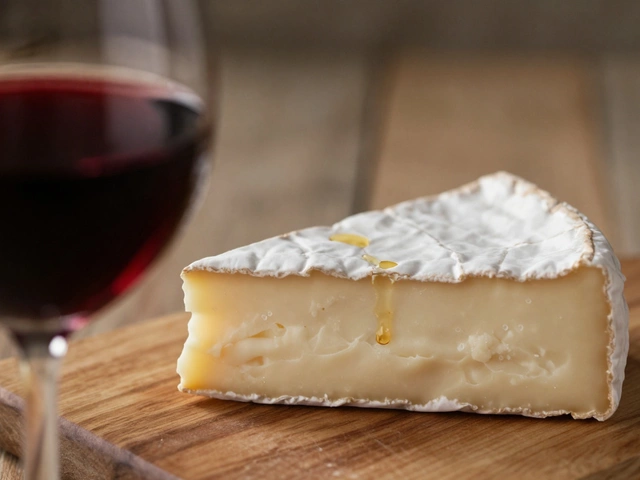
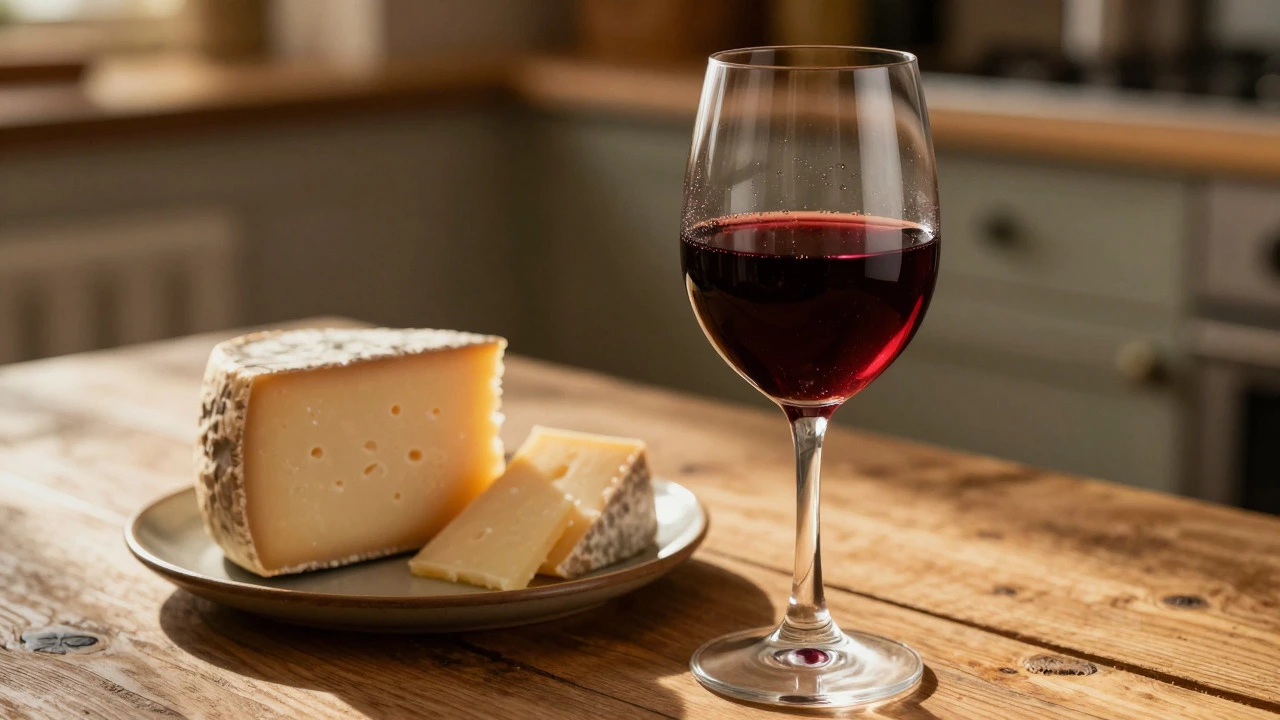
Red wines vary wildly in structure, so one size does not fit all. If you’re pouring a glass of Cabernet Sauvignon, described by experts as "fierce" with explosive flavor profiles, you need snacks that can stand up to it. Delicate crackers will disappear instantly. Instead, reach for aged cheeses. Aged Cheddar, Gouda, or even truffle Brie provide the sharp, nutty richness needed to match the wine's intensity. The saltiness of these cheeses also helps soften the robust tannins, making each sip smoother.
For fans of Malbec, look toward its Argentinian roots. This wine often carries smoky notes that pair beautifully with cured meats. Salami, ham, and chorizo are natural partners. Lone Point Cellars highlights that the smokiness of Malbec makes it an ideal match for these savory bites. Don’t forget cheese here either-Stilton and Taleggio offer earthy, pungent flavors that echo the wine’s depth. If you want something more substantial, empanadas filled with beef or chicken work surprisingly well, bridging the gap between snack and meal.
Lighter reds require a different approach. Pinot Noir is elegant, with notes of summer berries, citrus, and herbs. Heavy meats will overpower it. Instead, try popcorn. Yes, really. The lightness of popcorn doesn’t compete with the wine’s subtle aromatics. People's Choice Beef Jerky specifically recommends pairing light-bodied Pinot Noir with plain or lightly salted popcorn. The crunch provides texture without masking the fruit-forward profile. Another great option is roasted vegetables. Beets, zucchini, and bell peppers develop caramelized sweetness when roasted, which complements the earthy undertones of Pinot Noir perfectly.
| Wine Variety | Key Characteristics | Best Nibble Matches | Why It Works |
|---|---|---|---|
| Cabernet Sauvignon | Bold, high tannin, intense | Aged Cheddar, Gouda, Truffle Brie | Fat and salt soften tannins; strong flavors match intensity |
| Malbec | Smoky, fruity, medium-heavy | Salami, Ham, Stilton, Empanadas | Smokiness complements cured meats; richness balances body |
| Pinot Noir | Light, berry notes, herbal | Popcorn, Roasted Vegetables, Mushrooms | Light texture doesn't overwhelm delicate aromas |
| Tempranillo | Salty affinity, earthy, medium body | Olives, Chips & Salsa, Chorizo | Salt enhances fruitiness; Spanish heritage aligns with tapas |
White Wine: Crisp, Acidic, and Versatile
White wines generally have higher acidity and lower tannins, making them incredibly versatile for lighter nibbles. Riesling is a standout here. It ranges from bone-dry to lusciously sweet. For dry Rieslings, which are crisp and acidic, salt and vinegar chips are a game-changer. The vinegar amplifies the wine’s acidity, while the salt provides a satisfying contrast. If you prefer to tone down the acidity, dip celery or cucumber sticks into cream cheese. The fat content mellows the sharp edges, creating a refreshing balance.
If your Riesling leans sweet, embrace dessert-like pairings. Milk chocolate, apple cheesecake, or vanilla ice cream with bananas and caramel sauce create harmonious sweet-sweet combinations. The key is ensuring the food isn’t sweeter than the wine, or the wine will taste sour. Always taste your wine first to gauge its residual sugar level.
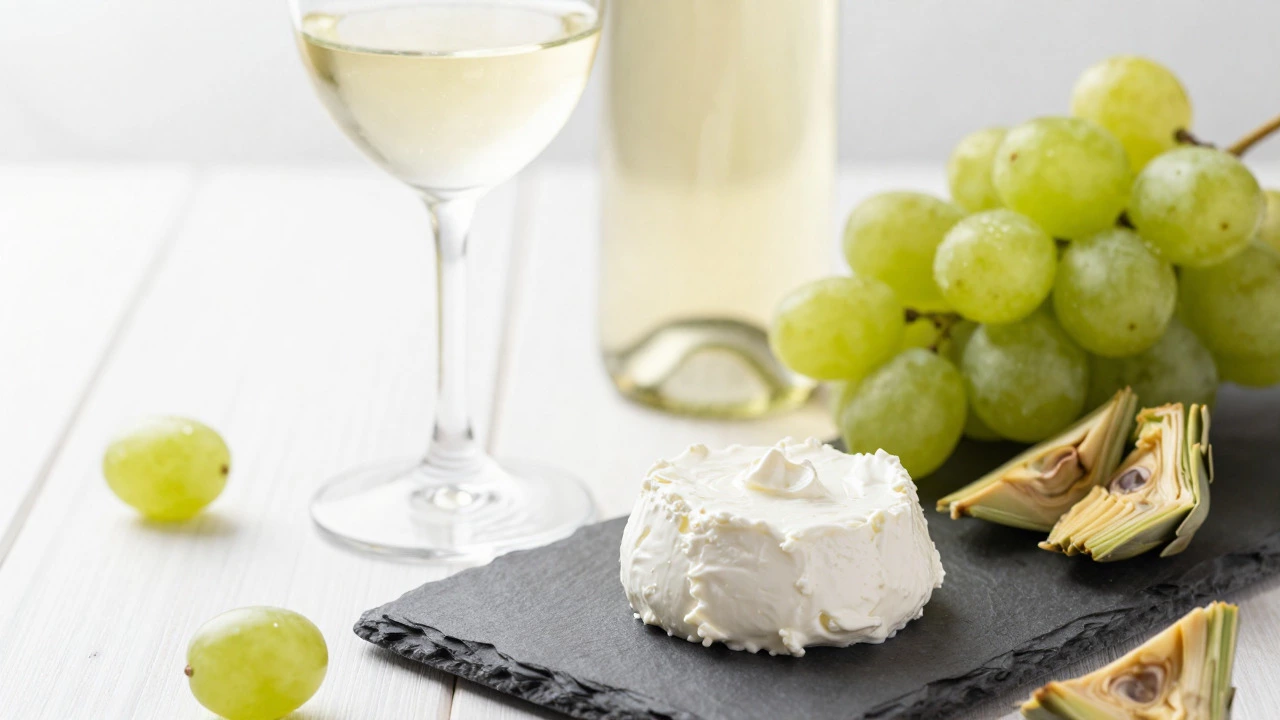
Sauvignon Blanc demands freshness. Think tangy, bright, and green. Goat cheese is the classic partner for a reason-the tanginess of the cheese mirrors the grassy, citrusy notes of the wine. Artichoke dip is another excellent choice, offering a briny, herbal complexity that stands up to the wine’s acidity. Tropical fruits like pineapple, mango, and papaya also shine here. Their natural sugars and vibrant flavors enhance the wine’s aromatic profile without weighing it down. For a savory twist, try Colby Jack or Muenster, which offer mild creaminess that doesn’t overpower the wine’s zest.
Sparkling Wines and Rosé: The Crowd Pleasers
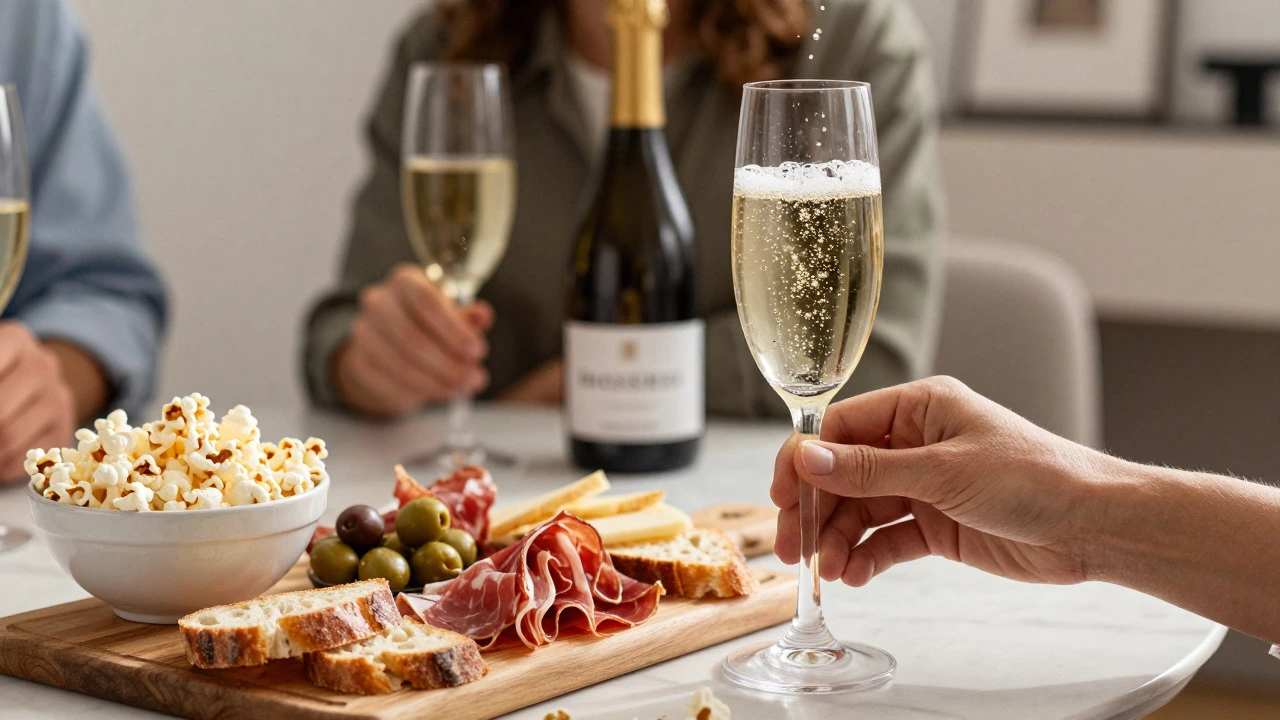
Don’t underestimate the power of bubbles. Sparkling Wine, including Champagne, Cava, and Prosecco, is often seen as a celebratory drink, but it’s actually a fantastic palate cleanser. The carbonation scrubs the tongue, resetting your taste buds for the next bite. San Joaquin Wine Co. notes that sparkling wines complement nearly anything, making them ideal for mixed crowds. Popcorn paired with Sparkling Moscato is a fun, low-key combination that surprises many guests. The sweetness of Moscato pairs well with the salty crunch of popcorn, creating a addictive sweet-savory loop.
Rosé offers the best of both worlds: the refreshment of white wine and the fruitiness of red. Whispering Angel rosé from Provence is famous for its light, fruity profile and clean finish. This makes it perfect for highly acidic foods like pickles. The wine’s brightness cuts through the vinegar punch, while its fruitiness adds a pleasant counterpoint. For a more substantial option, try antipasti platters. Italian-style spreads with cured meats, marinated olives, and crusty bread work beautifully with rosé. The wine’s versatility allows it to bridge the gap between light salads and heavier charcuterie boards.
Unexpected Twists: Beyond Traditional Cheese Boards
While cheese and crackers are reliable, don’t be afraid to experiment. Chocolate-covered pretzels paired with Zinfandel is a pairing that might sound odd at first, but it works brilliantly. Zinfandel often features notes of sweet cherries, blackberries, and earthy spice. These flavors complement the richness of chocolate and the saltiness of pretzels. The result is a complex interplay of sweet, salty, and spicy that keeps guests engaged.
Nuts are another underutilized category. Everything Bagel Mixed Nuts paired with Alsatian Riesling is a sophisticated choice. The intense seasoning of the nuts contrasts with the fresh, vibrant character of the Riesling. The wine’s acidity cuts through the oil and salt of the nuts, preventing them from feeling greasy. This pairing is particularly effective for evening gatherings where people are grazing over several hours.
Regional pairings are also trending. Matching local wines with local snacks creates a cohesive narrative. For example, serving Rioja with traditional Spanish tapas like sardines and chorizo honors the wine’s heritage. Similarly, pairing Japanese-inspired snacks like bao buns with Pinot Noir bridges cultural gaps while respecting the wine’s delicacy. These thoughtful connections add depth to your hosting, showing guests that you’ve put care into every detail.
Hosting Tips: Sequencing and Presentation
When planning a wine tasting or party, sequence matters. Start with lighter wines and lighter nibbles, then move to heavier options. Begin with sparkling wines or crisp whites like Sauvignon Blanc and Riesling, served with fruits, light cheeses, and nuts. Transition to medium-bodied reds like Pinot Noir or Tempranillo with roasted vegetables and milder cured meats. Finish with bold reds like Cabernet Sauvignon or Malbec, accompanied by aged cheeses and rich meats. This progression ensures that no single wine overwhelms the palate early on.
Presentation also plays a role. Use separate bowls for each nibble to prevent cross-contamination of flavors. Label wines clearly if you’re doing a blind tasting. Provide water and plain crackers between tastings to cleanse palates. And remember portion control-small bites allow guests to sample more varieties without getting full too quickly. Aim for two to three bites per wine pour. This encourages conversation and exploration rather than consumption.
Frequently Asked Questions
What is the best universal wine pairing?
Sparkling wine and Sauvignon Blanc are considered universal pairings because their high acidity and freshness complement a wide range of flavors, from salty snacks to sweet desserts. They act as palate cleansers and rarely clash with other ingredients.
Can I serve popcorn with wine?
Yes, especially with lighter wines. Plain or lightly salted popcorn pairs well with Pinot Noir due to its light body. Sparkling Moscato also works well with popcorn, creating a fun sweet-salty contrast. Avoid heavily buttered or caramel-coated popcorn as it can overwhelm delicate wines.
Why does cheese go well with red wine?
Cheese contains fats and proteins that interact with the tannins in red wine. Tannins can make wine taste bitter or drying on an empty stomach, but when combined with fatty cheese, the tannins bind to the protein, resulting in a smoother, silkier mouthfeel. The salt in cheese also enhances the fruit flavors in the wine.
What should I avoid pairing with wine?
Avoid extremely spicy foods unless the wine has some sweetness to cool the heat. Very salty foods can make dry wines taste sour. Highly acidic foods like citrus fruits can clash with high-acid wines, making both taste sharper than intended. Also, avoid pairing very sweet foods with dry wines, as the wine will taste unpleasantly tart.
Is there a budget-friendly way to host a wine pairing event?
Absolutely. Focus on inexpensive but high-quality staples like baguette slices, basic cheeses (cheddar, mozzarella), and seasonal fruits. Popcorn and nuts are cheap yet effective. Buy smaller bottles of wine to offer variety without overspending. The key is thoughtful selection, not expensive ingredients.