IPA Style Finder
Not sure which IPA to order? Select your preference below to find your perfect match!
Style Name
ABV: %Key Characteristics:
Characteristics go here...
Best For:
Occasion details...
Pro Tip: Tip goes here...
You've probably seen the three letters "IPA" on almost every single craft beer menu you've looked at lately. If you're new to the scene, it can feel like a secret club where everyone knows the lingo except you. To put it simply, India Pale Ale is a hop-forward style of beer characterized by its bitter taste and strong aromatic profile. While the name sounds like a geography lesson, it's actually a blueprint for one of the most popular drinks in the world. If you can handle a bit of bitterness and love scents that remind you of a pine forest or a tropical beach, you're already halfway to loving an IPA.
Why is it called an India Pale Ale?
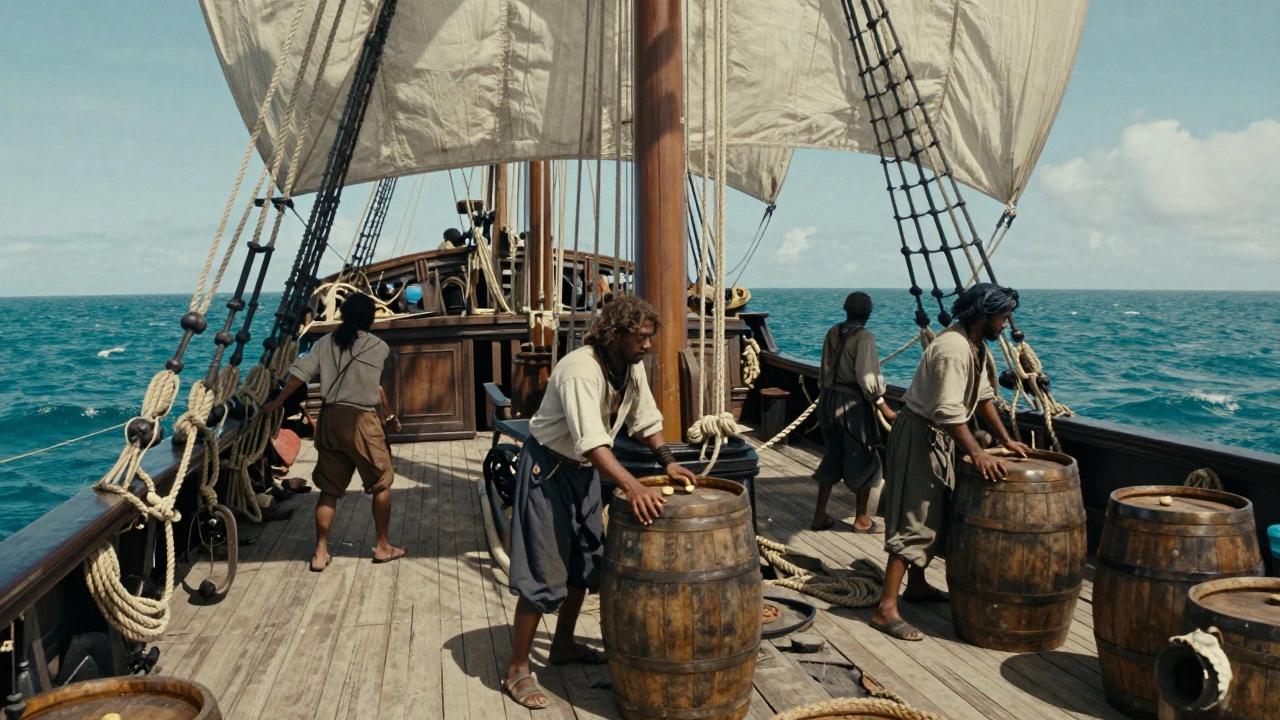
The name isn't just for show; it's a relic of the British Empire. Back in the day, the British East India Company needed a way to get beer from England to India without it turning into vinegar along the way. Shipping in the 1800s was slow, hot, and brutal on alcohol. To solve this, brewers realized that adding massive amounts of Hops-the cone-like flowers used for flavoring-acted as a natural preservative. These hops kept the beer stable during the long voyage across the ocean.
By the time the ships docked in India, the sailors and soldiers had a beer that was much hoppier and more bitter than the standard ales back home. This "accident" of necessity created a distinct style that people actually loved. While modern versions are brewed using high-tech cooling and filtration, the name remains as a nod to those long, salty journeys.
What does an IPA actually taste like?
If you're expecting a generic "bitter" taste, you're in for a surprise. Modern brewing has turned the IPA into a playground of flavors. It's not just about the punch of bitterness; it's about the aroma. When you lift a glass, you're often smelling Essential Oils from the hops, which can mimic everything from grapefruit and passionfruit to fresh-cut pine needles or floral bouquets.
The experience usually hits in three stages: first, the smell (aroma), then the initial taste (flavor), and finally the lingering bitterness on the back of your tongue. Depending on the brewery, some might be crisp and clear, while others are "hazy," meaning they look more like orange juice than beer. This haziness usually comes from adding hops late in the process or using specific yeast strains that leave the beer cloudy but creamy.
Breaking down the IPA family tree
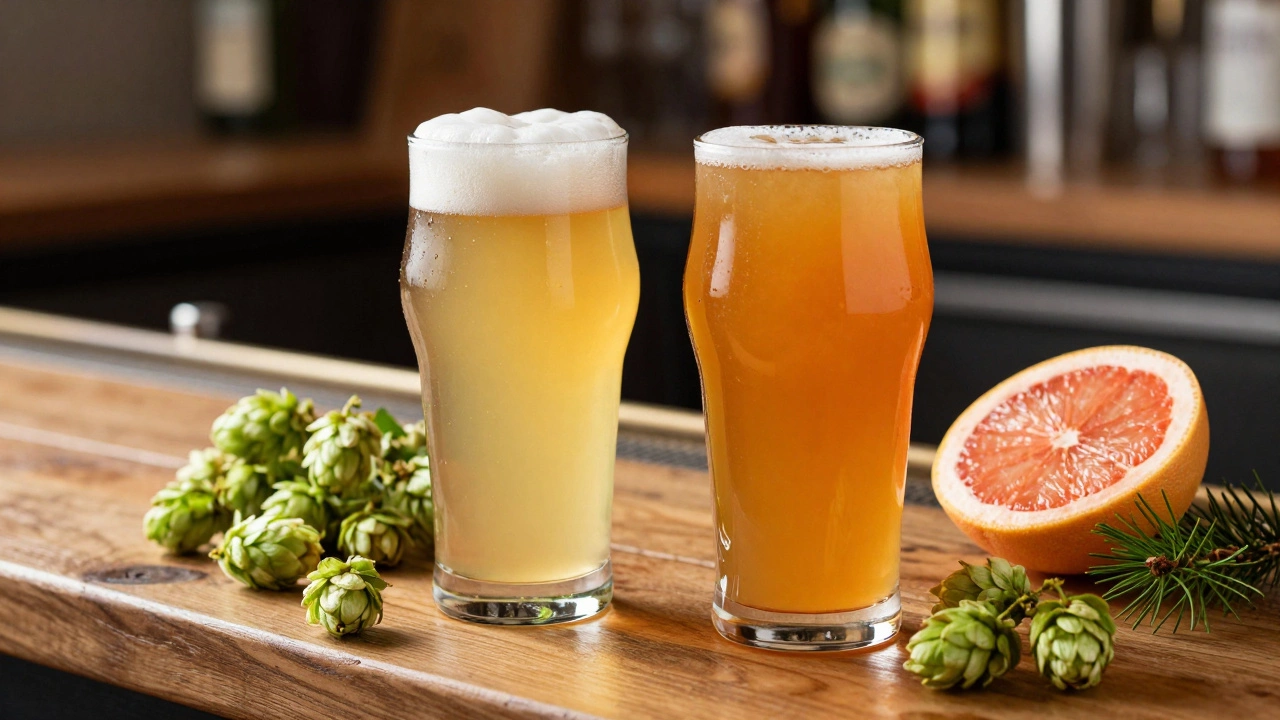
Walking into a bottle shop can be overwhelming because the "IPA" label has branched off into several different versions. You aren't just choosing a beer; you're choosing a level of intensity. For instance, a Session IPA is designed for those who want the flavor of a hoppy beer but with a lower alcohol content, so you can actually have more than one without feeling the effects immediately.
On the opposite end, you have the heavy hitters. Double IPA, often called an Imperial IPA, is essentially a standard IPA on steroids. These beers use more malt and more hops, resulting in a higher alcohol percentage-usually above 7.5%-and a much thicker, more intense flavor profile. It's a slower sipper, meant for tasting rather than gulping.
| Style | Alcohol (ABV) | Key Characteristic | Best For... |
|---|---|---|---|
| Session IPA | Low (3% - 5%) | Light & Refreshing | Long afternoons |
| West Coast IPA | Moderate (6% - 7%) | Clear, Piney, Bitter | Cutting through fatty food |
| New England IPA (NEIPA) | Moderate (6% - 7%) | Hazy, Juicy, Tropical | Fruit-forward fans |
| Double / Imperial IPA | High (7.5%+) | Bold, Boozy, Intense | Sipping and savoring |
The role of Pale Ale in the equation
To understand the IPA, you have to understand its parent: the Pale Ale. A pale ale is simply a type of ale that is lighter in color than a traditional brown ale or stout. While all IPAs are pale ales, not all pale ales are IPAs. The main difference is the volume of hops. A standard pale ale is balanced-you get some malt sweetness and some hop bitterness. An IPA tips the scale heavily toward the hops.
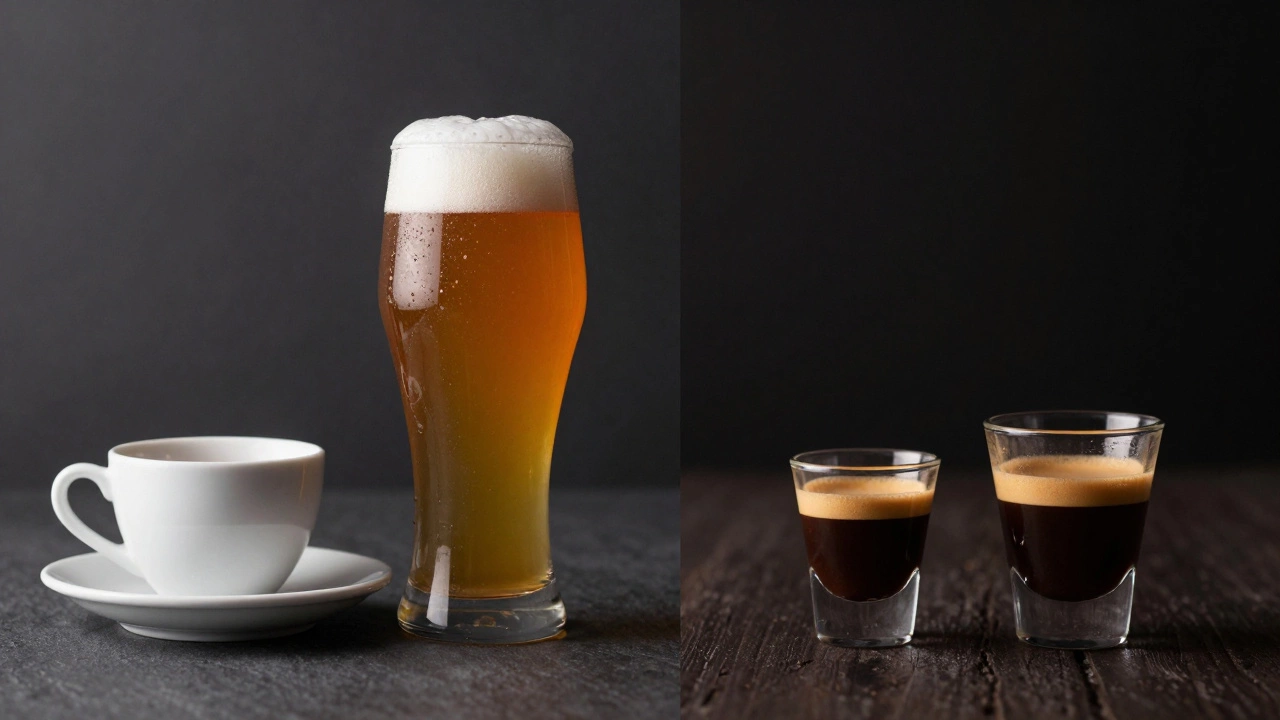
Think of it like coffee. A pale ale is like a standard drip coffee; it's balanced and easy to drink. An IPA is like a double-shot ristretto; it's concentrated, punchy, and designed to wake up your taste buds. This focus on "hop-forward" brewing is what made the style a favorite for breweries like Stone Brewing, who helped propel the craft beer revolution by pushing the limits of how bitter and aromatic a beer could be.
Common pitfalls when trying IPAs
If you're new to these beers, a few things can go wrong. First, don't let the bitterness scare you off. If your first IPA tastes like rubbing alcohol or grass, you might have just had a bad batch or a style that's too aggressive for your current palate. Start with a "Hazy" or "New England" style; these are generally smoother and taste more like tropical fruit than bitter herbs.
Another mistake is ignoring the temperature. If an IPA is too warm, the alcohol can taste harsh. If it's ice-cold, you might lose some of those delicate aromatic notes. Aim for a chilled glass, but not frozen. Also, remember that IPAs age faster than other beers. Hops degrade over time, so a "fresh" IPA is always better than one that's been sitting on a shelf for six months. If the label has a "canned on" date, pick the newest one available.
Does IPA stand for anything else?
Yes, outside of the brewery, IPA commonly stands for the International Phonetic Alphabet, which is a system used by linguists to represent the sounds of spoken language. However, if you're in a bar or a liquor store, it almost always refers to India Pale Ale.
Why are some IPAs cloudy?
Cloudiness is usually a sign of a New England IPA (NEIPA). This happens because brewers use specific grains like oats or wheat, and they add hops during or after fermentation. These proteins and oils stay suspended in the liquid, creating a juicy, opaque appearance instead of a clear, golden one.
Is an IPA more alcoholic than a lager?
Generally, yes. While standard lagers usually hover around 4% to 5% ABV, many IPAs range from 6% to 7%, and Imperial versions can easily exceed 8% or 9%. However, Session IPAs are specifically brewed to be lower in alcohol to compete with lagers.
What food pairs best with an IPA?
Because of the high bitterness, IPAs are great at "cutting through" rich or greasy foods. They pair perfectly with spicy dishes (like Thai curry), fried chicken, or strong cheeses like sharp cheddar. The hops cleanse your palate between bites of heavy food.
What is the difference between a Pale Ale and an IPA?
The primary difference is the amount of hops. A Pale Ale is a more balanced beer with a moderate amount of hops, while an IPA is specifically brewed to emphasize hop aroma and bitterness, making it a more intense experience.
What to try next
Once you've mastered the IPA, you might find yourself wanting to explore other styles. If you love the bitterness but want something darker, try a Black IPA. If you find IPAs too intense and want something smoother and more caramel-like, move toward an Amber Ale. If you're curious about the science behind the bubbles, looking into home brewing can be a great way to see exactly how those hops change the flavor of the brew in real-time.