Wine & Food Pairing Checker
Select a wine type and a food item to see how their chemical components interact. Avoid common pairing mistakes!
Pairing Analysis
Select OptionsPlease select a wine and a food item above to analyze the pairing.
You’ve just poured a glass of crisp Sauvignon Blanc or a bold Cabernet Sauvignon. The bottle looks great, the room smells inviting, and you’re ready for dinner. But then you take a bite of your meal, and suddenly that expensive wine tastes like battery acid or cheap vinegar. What went wrong? It wasn’t the wine. It was the food.
Most people think wine pairing is about matching flavors-like putting cheese with red wine. But it’s actually about chemistry. Certain ingredients in food interact with the compounds in wine, amplifying bitterness, killing fruitiness, or creating metallic aftertastes. As someone who has spent years navigating the dining scene in Sydney, I’ve seen more good bottles ruined by asparagus than by cork taint. If you want to protect your palate and your budget, you need to know which foods to keep away from the glass.
The Sulfur Problem: Why Vegetables Ruin Wine
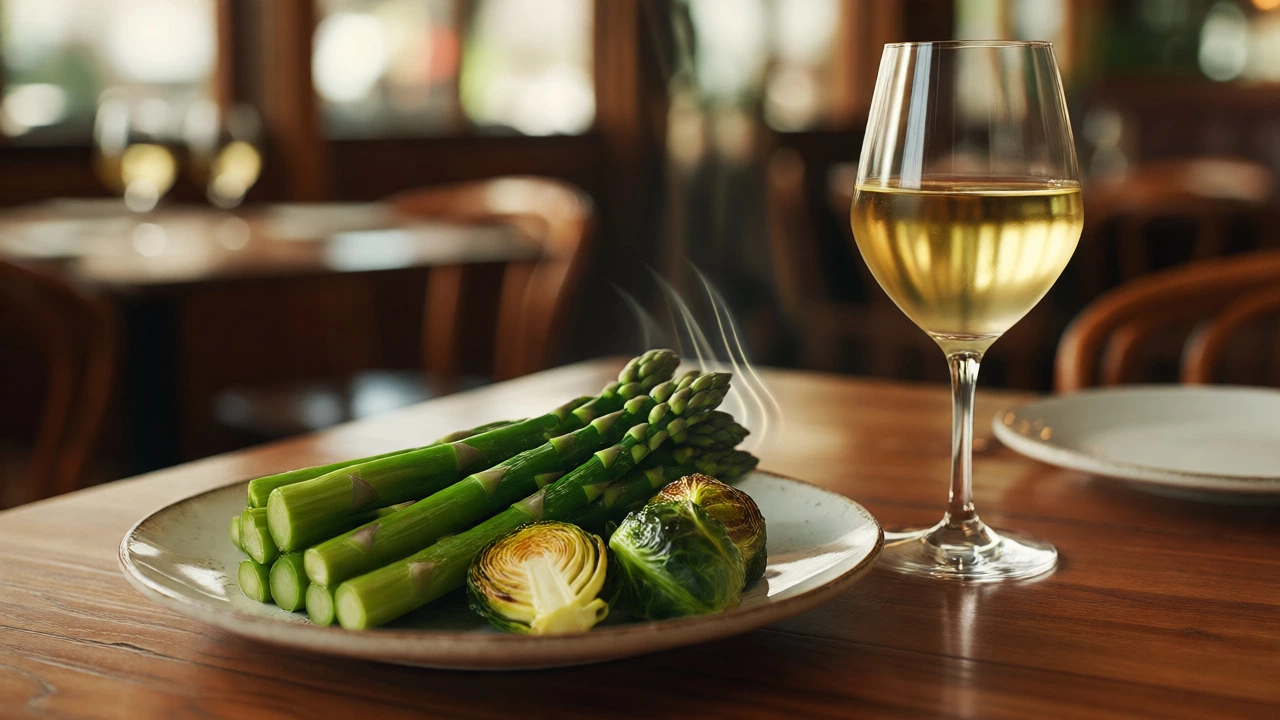
If there is one category of food that consistently breaks wine pairings, it’s sulfur-rich vegetables. This isn’t just a myth; it’s organic chemistry. Cruciferous vegetables like Brussels sprouts, broccoli, and cauliflower contain high levels of organosulfur compounds. When you chew these veggies, they release sulfur molecules that mimic the taste of a wine fault, specifically reduction or cork taint.
Imagine drinking a fruity Pinot Noir while eating boiled cabbage. Instead of tasting cherry notes, the wine will likely taste flat, sulfurous, and unpleasantly bitter. The same applies to asparagus. Asparagus contains chlorophyll and specific sulfur compounds that can make wine taste metallic or sour. It’s why many sommeliers suggest avoiding asparagus entirely if you plan to drink delicate white wines. If you must eat it, opt for grilled preparations rather than steamed, as heat can mellow the harshness slightly, but even then, it’s a risky game.
- Brussels Sprouts: Makes wine taste like rotten eggs.
- Asparagus: Adds a metallic, tinny finish to whites.
- Cabbage & Broccoli: Amplifies bitterness and dulls fruit flavors.
- Eggs: Hard-boiled or poached eggs can strip wine of its character, leaving it tasting watery.
The Acid Trap: Vinegar, Citrus, and Tomatoes
Acidity is the backbone of wine, but when you introduce external acids into the mix, things get messy fast. Foods dominated by strong acids-like vinegar-based salads, pickled vegetables, and heavy tomato sauces-can overwhelm the wine’s natural balance.
Here’s the rule of thumb: the wine should always be at least as acidic as the food. If you eat a salad dressed in sharp balsamic vinaigrette and follow it with a low-acid Chardonnay, the wine will taste flabby, sweet, and unstructured. The vinegar strips away the perception of fruit, leaving only alcohol and oak behind. Similarly, tomato-based dishes are tricky because tomatoes have very high acidity. Unless you are serving a wine with equally high acidity, like a Sangiovese or a Barbera, the wine will seem thin and weak against the sauce.
Pickles are another offender. The combination of salt and acetic acid creates a sensory clash that makes most dry wines taste overly tart. If you love pickles, save them for beer or spirits, not your fine vintage.
Spice vs. Alcohol: A Burning Issue
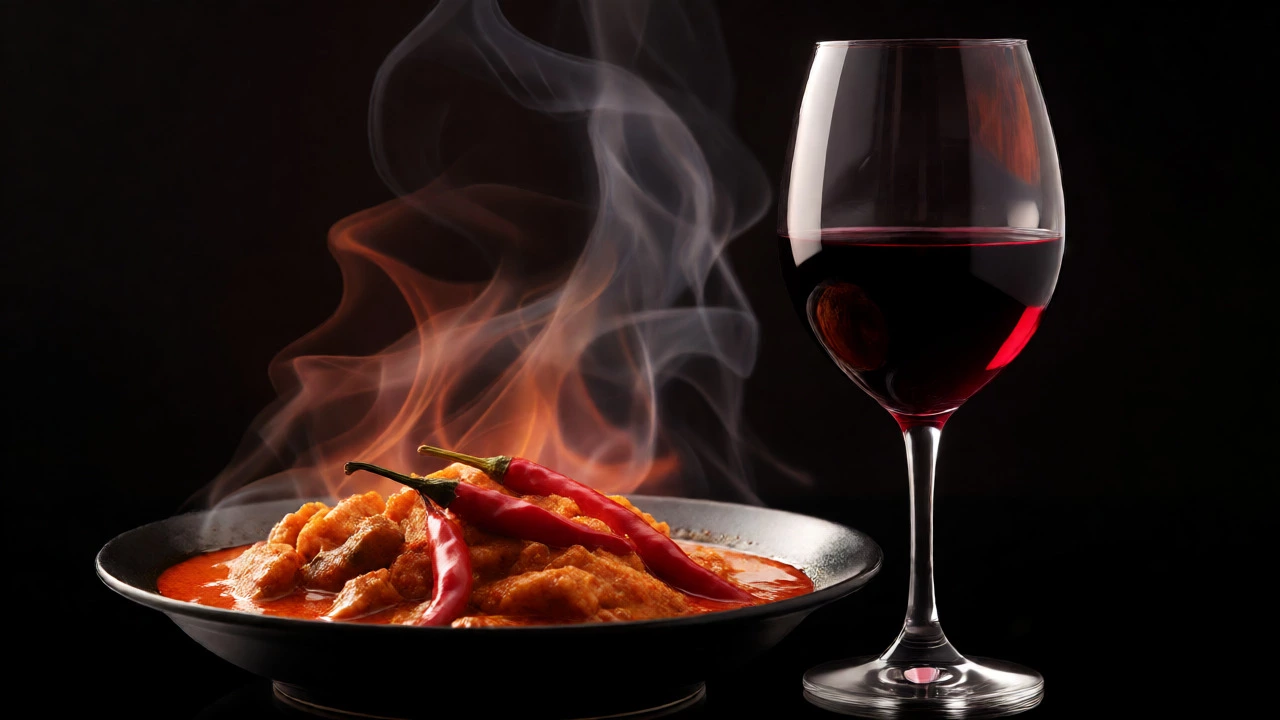
We often hear that spicy food pairs well with wine, but this is misleading. Spicy food pairs well with certain wines, but it destroys others. The culprit here is capsaicin, the compound that gives chili peppers their heat. Capsaicin intensifies the perception of alcohol and tannins.
If you drink a high-alcohol Zinfandel or a heavily oaked Cabernet Sauvignon with a fiery Thai curry, the alcohol won’t cool you down-it will feel like pouring gasoline on a fire. The tannins in the red wine will also feel more astringent and drying, making your mouth feel like sandpaper. For spicy dishes, you generally want lower alcohol, higher residual sugar, or no tannins. Dry, powerful reds are usually the worst choice for hot food. Save those big reds for mild, savory dishes.
| Food Component | Effect on Wine | Best Strategy |
|---|---|---|
| Sulfur (Veg/Eggs) | Metallic, bitter, flat | Avoid or switch to beer/spirits |
| High Acid (Vinegar/Citrus) | Flabby, sour, unbalanced | Choose high-acid wines (Riesling/Sauv Blanc) |
| Capsaicin (Spice) | Hotter, more alcoholic, astringent | Low alcohol, semi-sweet, or sparkling |
| Sugar (Desserts) | Bitter, acidic, thin | Dessert wine (Port/Moscato) only |
| Fat/Oil (Fish/Fried) | Fishy, oily, clashing | High acid whites or light reds |
The Sweetness Mismatch: Desserts and Chocolate
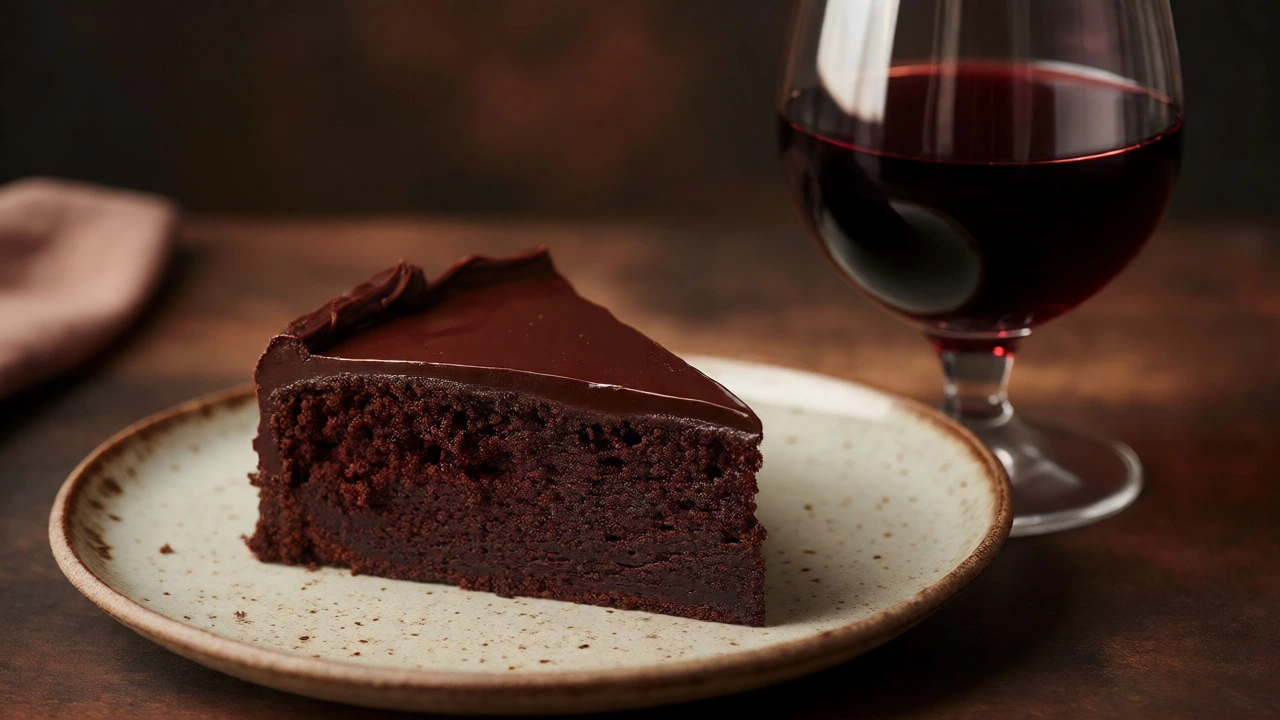
One of the most common mistakes diners make is ordering a dry table wine with dessert. If the food is sweeter than the wine, the wine will taste aggressively bitter and acidic. Think about biting into a slice of rich chocolate cake and sipping a dry Merlot. The sugar in the cake suppresses the fruit in the wine, highlighting its tannins and acidity until it tastes like medicine.
This is especially true for dark chocolate. Chocolate contains cocoa solids that are naturally bitter and fatty. Ordinary dry wines rarely have enough sweetness or body to stand up to this. To pair successfully, you need a fortified wine like Port, Madeira, or a sweet Riesling. If you’re stuck with a dry red, skip the chocolate dessert entirely. Your palate will thank you.
The same logic applies to wedding cakes or pastries served with Champagne. Unless the Champagne is Demi-Sec or Doux (sweet), the dryness of the bubbly will clash violently with the frosting, creating a sour, unpleasant sensation on the tongue.
Texture Clashes: Oily Fish and Artichokes
Not all bad pairings are about flavor intensity; some are about texture and chemical reaction. Oily fish, such as mackerel, tuna, or salmon, can create a problem known as "fish oil oxidation" when paired with certain wines. High-tannin red wines react with the oils in the fish, producing a distinctively unpleasant, fishy aftertaste. While a light Pinot Noir might work with salmon, a heavy Syrah or Cabernet will almost certainly turn the fish taste rancid in your mouth.
Then there is the notorious artichoke. This vegetable contains cynarin, a compound that temporarily alters your taste buds’ perception of sweetness. After eating an artichoke, everything you taste-including water and wine-will taste strangely sweet or metallic. This effect lasts for several minutes, making it nearly impossible to enjoy a subsequent sip of wine unless you are drinking a very high-acid, low-bitterness wine like a dry Riesling or a specific Italian Vernaccia. For most casual drinkers, artichokes are a wine-killer.
Digestive Discomfort: Dairy, Salt, and Fried Foods
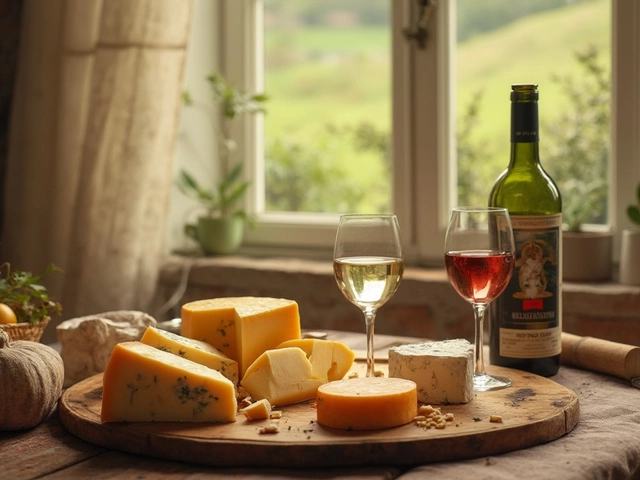
Beyond taste, some foods simply don’t sit right with alcohol in the stomach. This is less about sommelier advice and more about physiology. Dairy products, particularly heavy creams and cheeses, can curdle in the presence of alcohol and stomach acid, leading to bloating and discomfort. If you have a sensitive stomach, mixing a creamy pasta dish with a large glass of wine might result in acute indigestion later in the night.
Similarly, highly salty snacks like pretzels or chips promote dehydration. Alcohol is already a diuretic, so adding high sodium loads accelerates fluid loss, potentially worsening hangovers and causing headaches. Fried foods slow down digestion, meaning alcohol stays in the stomach longer before moving to the small intestine. This can lead to nausea and a feeling of heaviness that dampens the enjoyment of both the food and the drink.
Practical Workarounds for Difficult Foods
Does this mean you have to stop eating asparagus or wearing garlic? No. It means you need to adjust your strategy. Here is how to handle the tough cases:
- If you’re eating asparagus: Switch to a Grüner Veltliner or a Sauvignon Blanc with green herbal notes. These wines share aromatic compounds with asparagus, creating harmony rather than conflict. Avoid red wines completely.
- If you’re eating spicy food: Choose a Riesling with some residual sugar, a Gewürztraminer, or a rosé. The sugar helps tame the capsaicin burn.
- If you’re eating artichokes: Try a dry, high-acid white like Assyrtiko from Greece. Sip it slowly and let the wine cleanse the palate between bites.
- If you’re eating raw garlic/onions: Cook them first. Raw alliums are pungent and overpowering. Caramelized onions or roasted garlic integrate much better with wine.
Ultimately, wine pairing is about balance. If a food dominates the palate with sulfur, acid, spice, or sugar, it needs a partner that can match or counteract it. When in doubt, stick to simple rules: avoid sulfur-heavy veg with delicate whites, avoid sweet desserts with dry wines, and avoid high-tannin reds with spicy or oily foods. Your wallet and your stomach will appreciate the caution.
Why does wine taste metallic with asparagus?
Asparagus contains sulfur compounds and chlorophyll that interact with the proteins and tannins in wine. This chemical reaction suppresses the fruit flavors and amplifies metallic or tinny sensations, particularly in white wines.
Can I drink red wine with spicy food?
Generally, no. High-alcohol and high-tannin red wines amplify the burning sensation of capsaicin. It is better to choose low-alcohol whites, rosés, or semi-sweet wines that can cool the palate rather than heat it up.
Why does chocolate ruin dry wine?
Chocolate is both sweet and bitter. When paired with a dry wine, the sugar in the chocolate makes the wine taste more acidic and bitter by contrast. You need a wine that is sweeter than the chocolate, such as Port or a late-harvest Riesling, to achieve balance.
Is it okay to eat artichokes with wine?
It is difficult. Artichokes contain cynarin, which makes wine taste artificially sweet or metallic. Only very high-acid, low-bitterness wines like dry Riesling or Assyrtiko tend to work well. Most standard table wines will taste strange after eating artichokes.
Should I avoid dairy when drinking wine?
From a taste perspective, rich cheeses can pair beautifully with wine. However, from a digestive perspective, heavy dairy combined with alcohol can cause bloating and stomach upset for some people due to slower digestion rates and potential lactose intolerance interactions.