When you taste a cup of oolong and immediately recognize the floral notes from Fujian, or when you can tell the difference between a spring-harvested Darjeeling and a monsoon flush just by smell-you’re not just a tea lover. You’re on your way to becoming something more specific. So what’s the official title for someone who knows tea this deeply? The answer isn’t just "tea expert" or "tea enthusiast." The recognized professional term is tea sommelier.
Why "Tea Sommelier" Is the Right Term
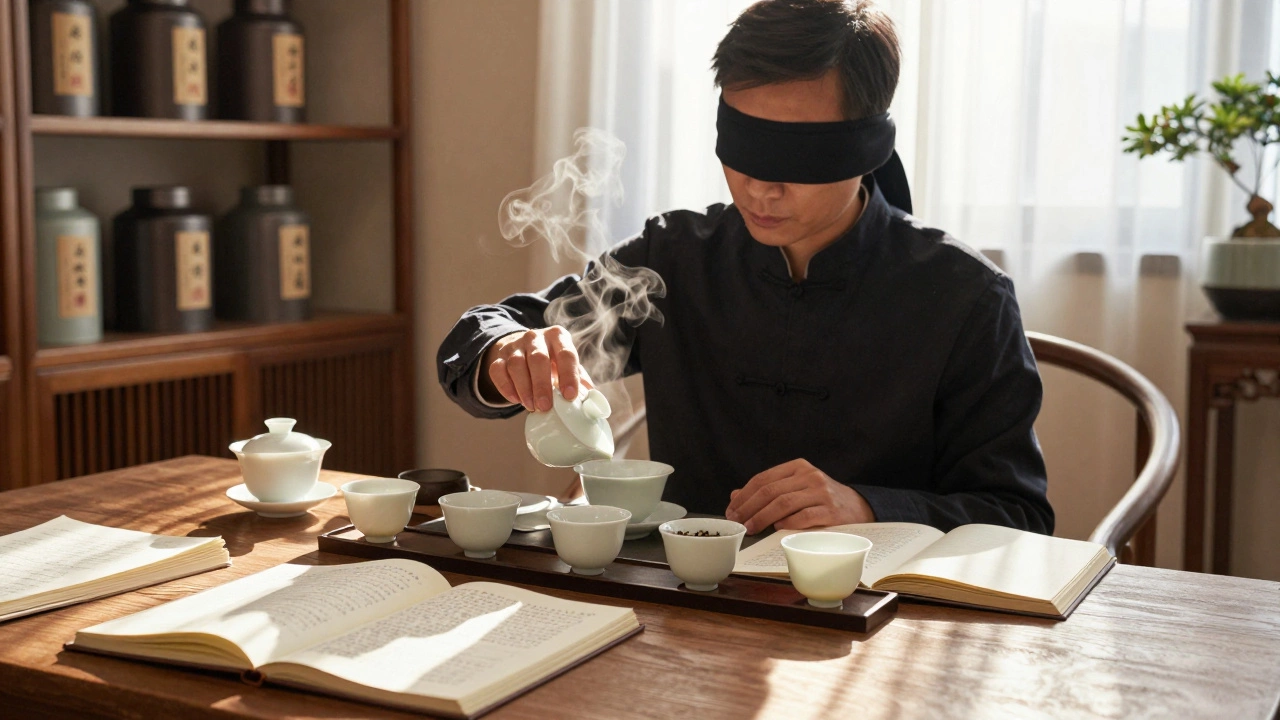
The word "sommelier" comes from French wine culture, where it describes someone trained to select, serve, and evaluate wine with precision. But tea and wine share more than just a ceremonial ritual-they both rely on terroir, harvest timing, processing methods, and subtle flavor shifts that change with every variable. A tea sommelier applies the same rigorous tasting discipline to tea that a wine sommelier uses for grapes. Unlike wine, where taste is the main focus, tea demands more. You can’t judge a good tea just by its flavor. You have to consider how it was brewed. Water temperature. Steeping time. Leaf-to-water ratio. Even the type of vessel used. A tea sommelier doesn’t just taste tea-they understand how every step from leaf to cup shapes the experience. The term "tea sommelier" isn’t just a fancy label. It’s backed by formal training programs from institutions like the International Tea Academy and the World Tea Academy. These aren’t online quizzes or weekend workshops. They’re multi-month, hands-on certifications that require you to identify over 50 tea varietals blindfolded, detect off-flavors caused by improper storage, and explain how altitude affects the chemistry of a Shoumei white tea.Tea Specialist vs. Tea Sommelier: What’s the Difference?
You’ll hear both terms used, but they’re not the same. A "tea specialist" is often an entry-level or intermediate designation. For example, the Tea and Herbal Association of Canada offers a "Tea Specialist" credential for people who understand the basics: how green, black, oolong, and pu-erh are processed; where major tea-growing regions are; and how to store tea properly. A "tea sommelier," especially at the professional level, goes far beyond that. The World Tea Academy’s "Certified Tea Specialist™" (CORE) certification requires completing seven courses covering everything from the history of tea in China and Japan to the grading systems used in Sri Lanka and Kenya. But even that’s just the foundation. To become a Professional Tea Sommelier, you need mastery in five core areas:- Understanding how brewing methods affect flavor-like how a gaiwan versus a clay teapot changes the mouthfeel of a Tieguanyin
- Being able to judge tea quality objectively, using international standards that assess color, aroma, liquor clarity, and aftertaste
- Knowing how soil, climate, and altitude impact the chemical composition of tea leaves
- Recognizing how processing techniques (oxidation levels, roasting, fermentation) create entirely different teas from the same plant
- Being able to source tea ethically from biodiverse farms, not just bulk suppliers
How Do You Become a Tea Sommelier?
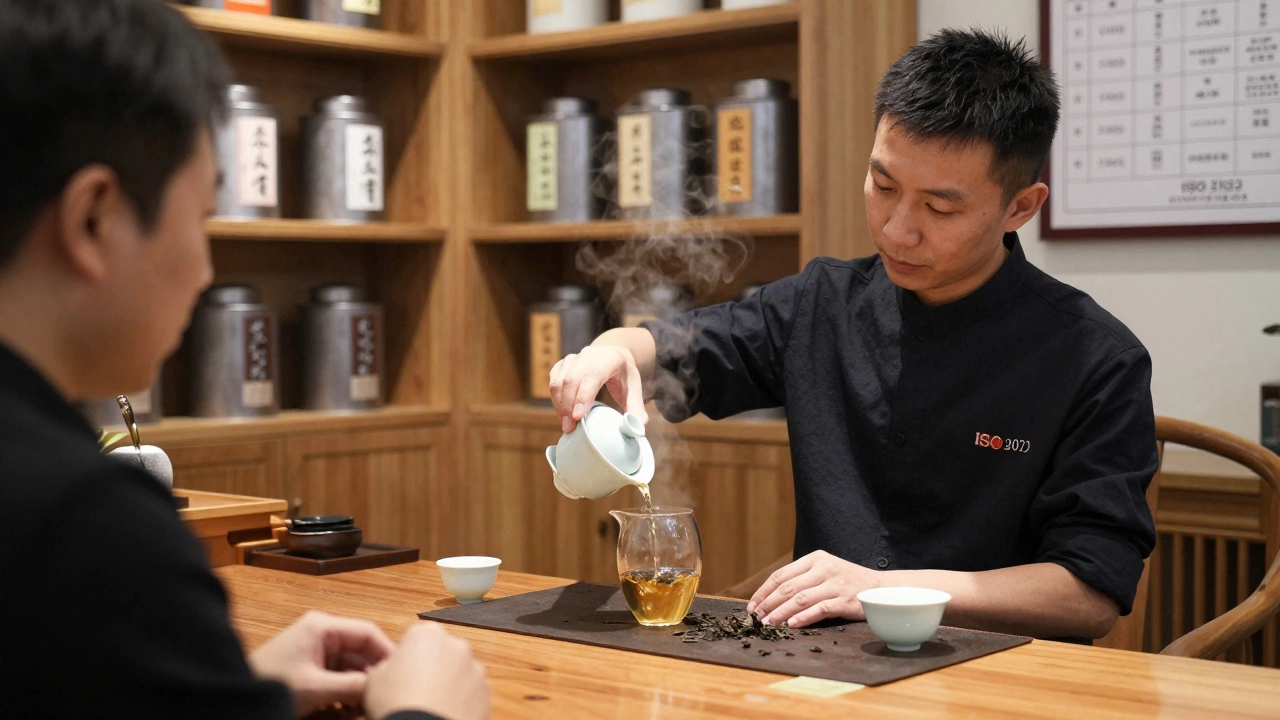
There’s no shortcut. Becoming a tea sommelier is like becoming a chef or a sommelier in wine-it takes time, repetition, and deep sensory training. The process usually starts with foundational courses. The World Tea Academy’s CORE program can be finished in as little as four months, with each course broken into four weeks: two weeks of study, one week of exams and cuppings, and one week for assignments. But passing the test doesn’t mean you’re done. Real skill comes from daily practice. You need to taste dozens of teas every week. Not just sip them-analyze them. What does the dry leaf smell like? How does the aroma change after the first steep? Does the liquor have a sweet aftertaste, or does it turn bitter? Can you tell if the tea was over-roasted or stored in a humid warehouse? Most serious programs require blind cuppings. You’re given five teas, all unmarked, and asked to identify:- The type (green, black, white, oolong, pu-erh)
- The region (e.g., Yunnan vs. Anxi)
- The harvest season (spring, summer, autumn)
- Whether it’s pure Camellia sinensis or a herbal infusion
- If it’s been adulterated with flavorings or low-grade leaves
What You’ll Learn in Training
A formal tea sommelier program doesn’t just teach you how to taste. It teaches you how to think like a tea producer. You’ll learn why a high-altitude Darjeeling First Flush has a muscatel grape note-it’s because the cool, misty air slows leaf growth, concentrating sugars and aromatic compounds. You’ll understand why Japanese sencha is steamed instead of pan-fired, and how that affects its vegetal character. You’ll study tea grading systems:- In China: "Baozhong" for lightly oxidized oolongs, "Zi Cha" for aged pu-erh
- In India: "FTGFOP1" (Golden Flowery Tippy Flowery Orange Pekoe) for premium Darjeeling
- In Sri Lanka: "Orange Pekoe" isn’t a flavor-it’s a leaf size grade
Why This Matters Beyond Personal Enjoyment
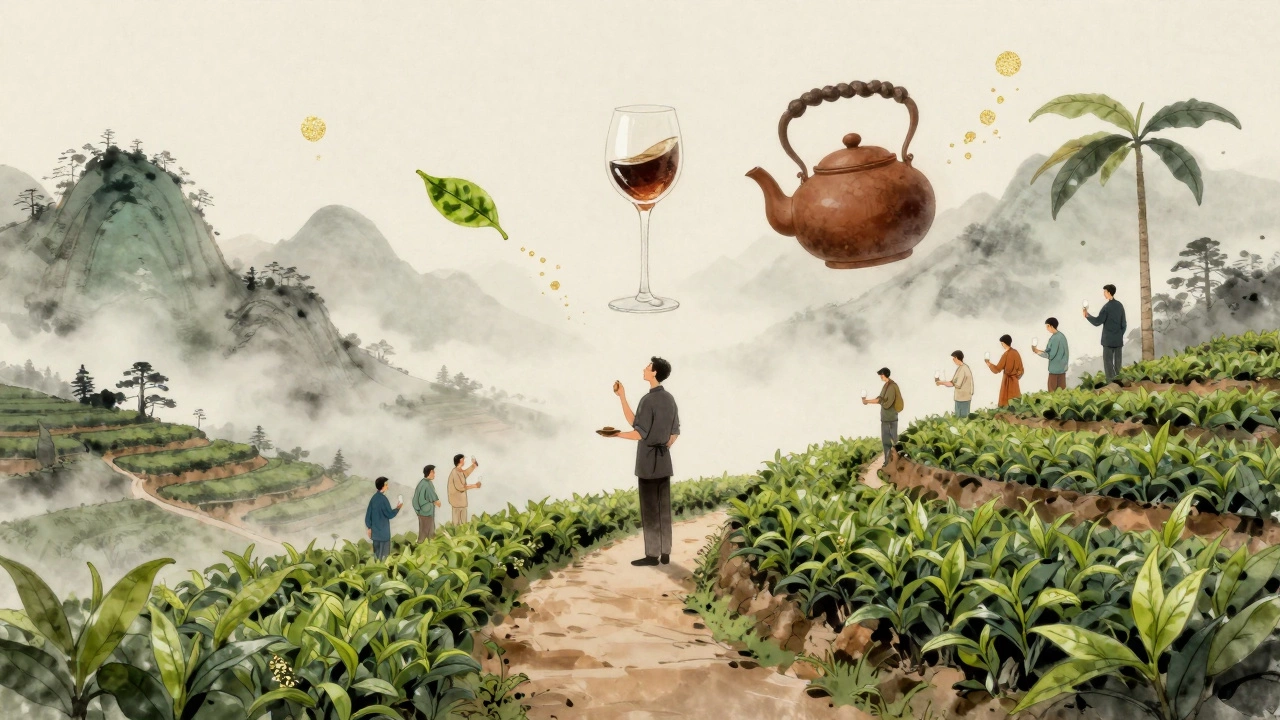
This isn’t just for hobbyists. The global tea market is worth over $100 billion, and businesses need professionals who can make informed decisions. Tea sommeliers work in:- High-end tea shops that sell single-origin leaves
- Hotels and luxury resorts that offer tea pairings
- Tea importers who source directly from small farms
- Tea brands that develop new blends
- Restaurants that want to expand their beverage programs beyond wine
Is It Worth It?
Yes-if you’re passionate. The training is expensive. The exams are hard. You’ll spend hours smelling dried leaves, tasting bitter brews, and taking notes on leaf shape and liquor color. But if you’ve ever sat with a cup of tea and thought, "There’s more to this," then you’re already on the path. Becoming a tea sommelier isn’t about impressing others. It’s about deepening your connection to something ancient, complex, and quietly beautiful. You’re not just drinking tea. You’re tasting history, geography, climate, and human skill in every sip.Is "tea sommelier" a real job title or just a fancy term?
It’s a real professional designation. Organizations like the International Tea Academy and the World Tea Academy offer certified programs that require written exams, blind tastings, and practical brewing tests. People with this title work in tea import, retail, hospitality, and product development. It’s not a gimmick-it’s a recognized career path.
Can anyone call themselves a tea sommelier?
Technically, yes-there’s no legal monopoly on the term like "sommelier" for wine in some countries. But reputable tea businesses and professionals only recognize the title for those who’ve completed certified training. Using it without credentials can damage your credibility in the industry.
Do you need to be from a tea-growing country to become a tea sommelier?
No. Many top tea sommeliers are from Europe, North America, and Australia. What matters is hands-on training, access to diverse teas, and mentorship from experienced tasters. Some programs even offer trips to tea regions in China, Japan, or Sri Lanka as part of certification.
How long does it take to become a tea sommelier?
The basic certification (like the World Tea Academy’s CORE level) can be completed in four to six months. But true mastery takes years. Most professional tea sommeliers spend 3-5 years tasting, studying, and working in the field before they’re considered experts. The journey never really ends-new cultivars, processing methods, and regions emerge every year.
What’s the difference between a tea sommelier and a tea taster?
A tea taster focuses mostly on evaluating tea quality-identifying defects, grading leaves, and ensuring consistency. A tea sommelier does that too, but also understands brewing techniques, tea culture, sourcing ethics, and pairing. The sommelier has a broader, more holistic role. Think of the taster as the quality controller, and the sommelier as the educator and ambassador of tea.