The 50 Rule Simulator
Simulator Controls
Visualizer
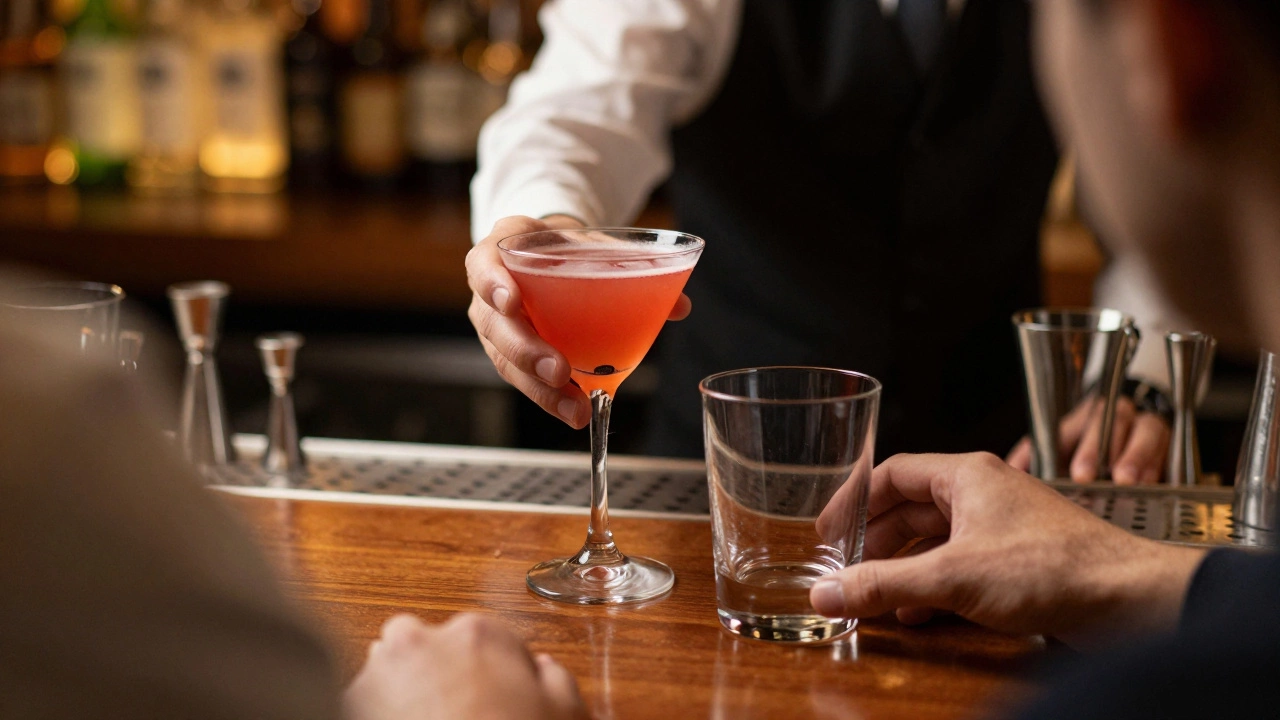
Picture this: you’re at a busy bar, your glass is half-empty, and suddenly the bartender slides a fresh cocktail across the wood. It feels seamless, right? But what if I told you that timing wasn’t luck-it was strategy? This is the core of the 50 rule in bartending, a set of informal but powerful heuristics that help professionals balance guest satisfaction with responsible service.
If you’ve ever wondered why some bars feel like they keep the flow going without letting guests get too intoxicated too fast, the answer often lies in these simple numeric guidelines. The "50 rule" isn’t one single law; it’s actually three distinct concepts that all revolve around the number 50. They cover when to serve the next drink, how strong a single drink should be relative to a guest's capacity, and how much liquid should physically fill a glass.
Quick Summary: What is the 50 Rule?
- Pacing: Offer the next drink when the current one is 50% consumed.
- Capacity: Limit any single drink to no more than 50% of a guest’s estimated total alcohol tolerance for the night.
- Pour Control: Fill the glass only up to 50% capacity with liquid (leaving room for ice) to prevent overpouring and waste.
The Three Faces of the 50 Rule
To understand the 50 rule, you have to look at it through three different lenses. Each variant serves a specific purpose in bar management, ranging from customer experience to cost control and legal liability. Let’s break them down so you can see how they work in real life.
1. The Pacing Rule: Timing the Next Drink
This is the most common interpretation you’ll hear about in modern bar training resources. The idea is simple: you should offer or prepare a guest’s next cocktail when they have consumed approximately 50% of their current drink.
Why does this matter? If you wait until a glass is completely empty before serving the next round, you create a gap. Guests might sit with an empty hand, which can lead to dissatisfaction or even them leaving the bar early. On the flip side, if you replace drinks immediately after one sip, you risk accelerating intoxication because the guest never has a "breather" period where their body processes the alcohol without new input.
Think of it as a rhythm. A standard mixed drink might be 10 ounces. At a moderate drinking pace, a guest finishes about 5 ounces in 20-30 minutes. By checking in at that halfway mark, you signal attention and care. You keep the table turnover steady and sales consistent, but you also ensure the guest isn't consuming back-to-back shots without pause. It’s a subtle way to manage blood alcohol concentration (BAC) spikes without being intrusive.
2. The Capacity Rule: Managing Alcohol Intake
This version focuses on the strength of individual servings relative to the guest’s overall evening plan. Here, the rule suggests that a single drink should not contain more than 50% of a customer’s estimated total alcohol capacity for the visit.
Let’s make this concrete. Imagine a guest who typically enjoys four standard drinks over an evening. Under this heuristic, no single cocktail served to them should equal the alcohol content of two full standard drinks. This prevents the "one-and-done" scenario where a guest gets dangerously intoxicated from just one overly potent creation.
It also applies to drink types. Some interpretations suggest that high-ABV options, like straight shots, shouldn’t make up more than 50% of a guest’s total consumption. If they want six drinks total, maybe three are cocktails or beers, and three are shots. This variety slows down the rate of absorption compared to chugging six shots in a row. It’s a practical application of responsible service principles, helping bartenders avoid dram-shop liability by ensuring no single serving pushes a guest over the edge.
3. The Pour Control Rule: Glass Volume and Waste
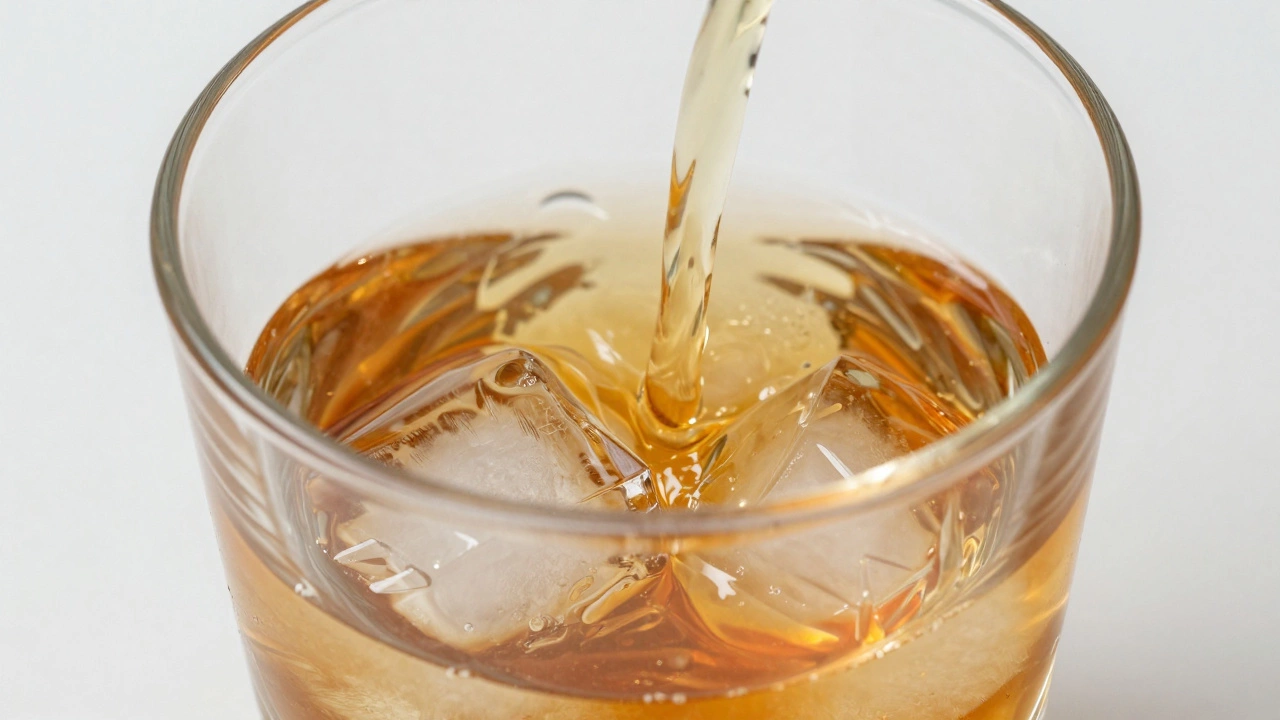
The third variant is purely operational. It states that bartenders should aim to keep pours at or below 50% of the glass’s physical volume. This leaves the other 50% for ice, garnish, and headspace.
Why stop at half? First, it controls costs. Overpouring is a silent profit killer. If you fill a 12-ounce rocks glass to the brim with spirit and mixer, you’re likely wasting expensive inventory. By capping the liquid volume at 6 ounces, you ensure consistency. Second, it looks better. A drink packed to the rim spills easily and lacks the visual appeal of proper layering and ice interaction. Third, it forces the use of ice, which dilutes the drink slightly over time, naturally slowing consumption and improving taste.
This rule acts as a quick visual check for new bartenders who might not yet have mastered precise jigger measurements. It’s a mental shortcut for maintaining quality and profitability.
Is the 50 Rule a Legal Requirement?
Here’s the crucial distinction: the 50 rule is not a law. You won’t find it codified in statutory databases like the Virginia Administrative Code or Georgia’s comparative negligence laws. Those legal frameworks deal with fault in accidents or employment regulations, not bar service tactics.
The 50 rule is a cultural and training heuristic. It emerged from industry best practices shared by beverage platforms like Overproof and Premium Blend between 2023 and 2024. These organizations frame it as a tool for optimizing guest experience and operational efficiency, not as a legal mandate. However, ignoring the principles behind it could still land a bar in trouble under broader responsible service laws, which require staff to monitor intoxication levels regardless of specific numeric rules.
| Variant | Focus Area | Primary Benefit | Potential Pitfall |
|---|---|---|---|
| Pacing Rule | Timing of Service | Keeps guests engaged; smooths BAC rise | May feel pushy if guest wants to slow down |
| Capacity Rule | Drink Strength & Mix | Prevents rapid intoxication from single drinks | Requires estimating guest tolerance |
| Pour Control Rule | Glass Volume & Cost | Reduces waste; ensures consistency | Visual estimate may vary by glass shape |
How This Compares to Other Bar Heuristics
Bartending relies heavily on mental shortcuts. Just as there’s a 50 rule for service, there are unwritten rules for tipping and staffing. For instance, tipping culture often follows a "per drink" model ($1-$2 per alcoholic beverage) or a percentage-based model (20% of the tab). Unlike the 50 rule, which guides professional behavior, tipping norms guide customer behavior.
Another comparison is the "multiple of 5" tipping heuristic discussed in bartender communities, where small checks merit smaller proportional tips. These social contracts differ from the 50 rule because they aren’t tied to safety or inventory control. The 50 rule is unique because it bridges the gap between hospitality (keeping guests happy) and compliance (keeping guests safe).
Practical Application for New Bartenders
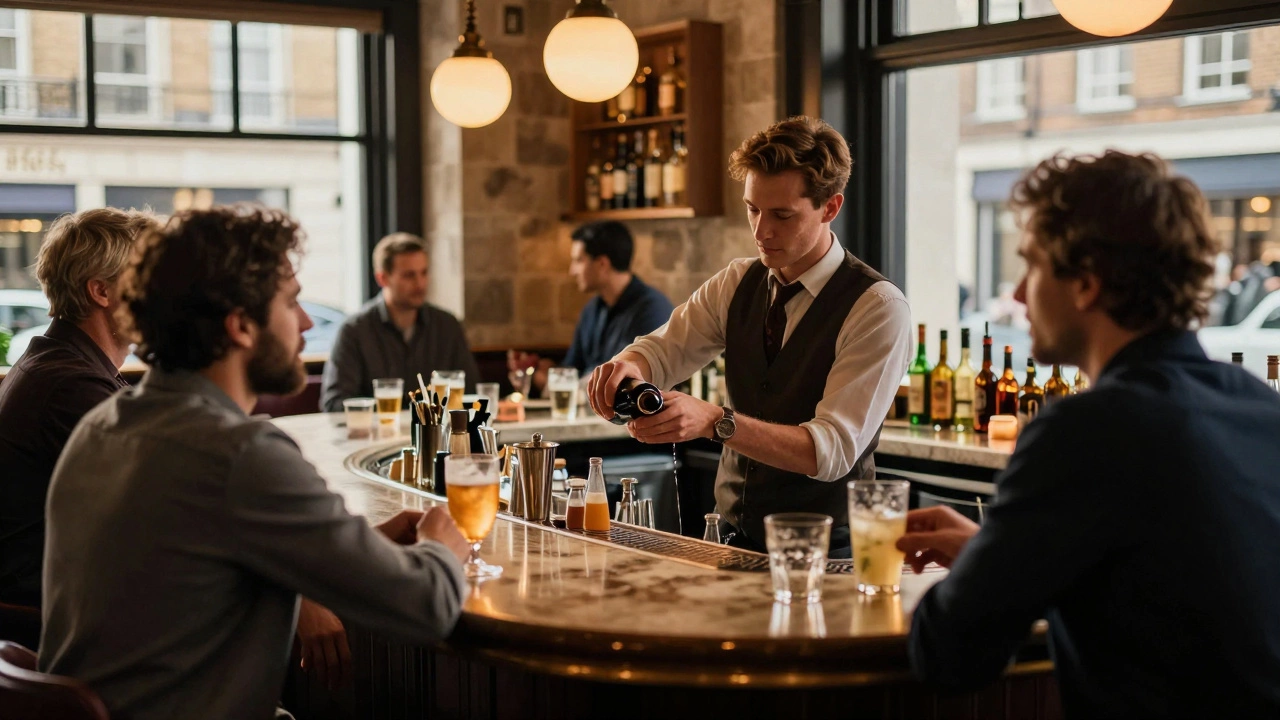
If you’re stepping behind the bar for the first time, how do you actually use these rules without looking robotic? Start with observation. Watch the glass levels. When a regular’s Old Fashioned hits the halfway mark, that’s your cue to ask, "Can I get you another round, or would you like something lighter?" This gives the guest agency while nudging them toward pacing.
For pour control, trust your recipes. Use a jigger. The 50% glass rule is a backup for when you’re rushing or using non-standard glassware. It reminds you that ice is part of the drink, not just an afterthought. Finally, remember that these are guidelines, not scripts. A guest who has had nothing to eat and is already showing signs of impairment needs more than a 50% rule-they need intervention. The rule helps you stay organized, but your judgment keeps people safe.
Limitations and Why Context Matters
No rule is perfect. The biggest limitation of the 50 rule is that it’s a heuristic, not science. There’s no empirical data proving that serving at exactly 50% reduces incidents per 1,000 guests. Blood alcohol concentration depends on weight, metabolism, food intake, and genetics-factors a bartender can’t measure visually.
Additionally, the lack of a single definition causes confusion. ZipRecruiter’s career guides list all three variants, which can trip up learners expecting one clear answer. As an industry professional, you need to recognize that "the 50 rule" is a bucket term for several related best practices. Don’t rigidly adhere to the number if the situation demands flexibility. If a guest is clearly done, don’t offer another drink just because they hit the 50% mark. If they’re celebrating a wedding toast, maybe the pacing rule takes a backseat to the moment.
Next Steps for Bar Owners and Staff
If you run a bar, consider integrating these concepts into your staff training manuals. Label them as "Service Rhythms" rather than strict laws. Encourage your team to practice the pacing rule during peak hours to maintain flow. Train mixologists on the capacity rule to design menus that don’t accidentally pack five standard drinks into one fancy cocktail. And enforce the pour control rule to protect your bottom line.
For home entertainers, the lesson is similar: watch your friends’ glasses. Offer water when they’re halfway through. Keep drinks balanced. It’s not just about bartending-it’s about hosting responsibly.
Is the 50 rule in bartending legally binding?
No, the 50 rule is not a legal statute. It is an informal industry heuristic used for training and best practices. While it aligns with responsible service principles that can affect liability, it is not codified in law like age verification requirements.
Which 50 rule variant is most commonly used?
The pacing rule-offering the next drink when the current one is 50% consumed-is the most frequently cited variant in recent industry literature and bartender terminology guides.
Does the 50 rule apply to beer and wine?
Yes, the principles apply broadly. The pacing concept works for any beverage type. The pour control rule is especially relevant for wine glasses to ensure proper swirling space and accurate pouring volumes.
How does the 50 rule help with cost control?
The pour control variant directly aids cost control by preventing overpouring. By limiting liquid volume to 50% of the glass, bars reduce waste of expensive spirits and mixers, ensuring consistent yields across all shifts.
Should I refuse service if a guest violates the 50 rule?
Not necessarily. The rule is a guideline for service pacing and drink composition, not a refusal trigger. Refusal of service is based on visible intoxication or behavioral issues, not whether a guest followed a pacing heuristic.
Who originated the 50 rule in bartending?
There is no single originator. The term gained traction in online training resources and beverage industry publications between 2023 and 2024, evolving from general responsible service practices.
Can the 50 rule be applied to mocktails?
Absolutely. The pacing and pour control aspects are valuable for mocktail service to maintain guest engagement and manage ingredient costs, even without alcohol involved.