Festival Size Comparison Tool
Select two festivals below to see a detailed breakdown of their size, crowd density, and vibe.
Musikfest
FreeBethlehem, PA
Summerfest
TicketedMilwaukee, WI
Coachella
PremiumIndio, CA
Lollapalooza
TicketedChicago, IL
Ask ten people what the biggest festival in the United States is, and you’ll likely get five different answers. Some will shout Coachella. Others will defend Summerfest. A few might mention the massive crowds at Musikfest. If you’re looking for a single, undisputed champion, you’re going to be disappointed. There isn’t one.
The reason? "Biggest" is a slippery word. Do you mean the most people walking through the gates? The highest daily crowd density? The longest-running event? Or perhaps the most expensive ticket price? Because there is no official government agency tracking every festival attendee, organizers use different metrics to claim the top spot. To find the real answer, we have to break down the competition by category: free events, ticketed giants, and cultural celebrations.
The Free Giant: Musikfest Takes the Crown for Total Headcount
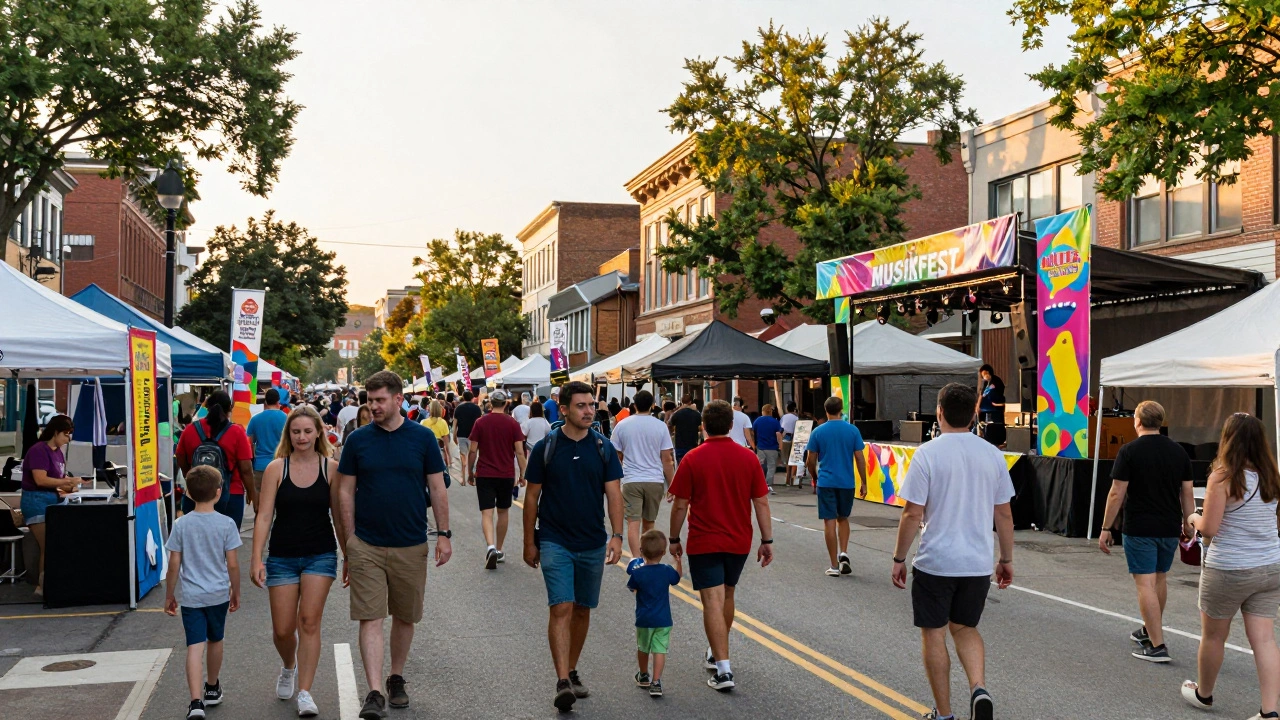
If your definition of "biggest" is simply the total number of human beings who show up over the course of the event, then Musikfest is the largest free music festival in the United States wins hands down. Held annually in Bethlehem, Pennsylvania, this eleven-day outdoor extravaganza draws more than 1.3 million attendees.
How do they pull off those numbers? It’s all about access. Since the core programming is free, there are no financial barriers keeping people away. Families, students, and locals can wander in and out of the multiple stages set up across the city center. While a paid festival like Coachella caps its capacity to maintain safety and comfort, Musikfest spreads its crowd across an entire urban landscape. This allows it to accumulate a headcount that dwarfs almost any other U.S. event. However, keep in mind that because it runs for 11 days, the daily attendance is lower than you might expect from such a huge total number.
The Ticketed Titan: Summerfest’s Long-Standing Claim
When people talk about traditional, ticketed music festivals, Summerfest is a major annual music festival held in Milwaukee, Wisconsin often jumps into the conversation first. For decades, Summerfest has marketed itself as the "world’s largest music festival." And if you look at the raw data from recent years, they aren’t far off. The event typically attracts over 800,000 attendees annually.
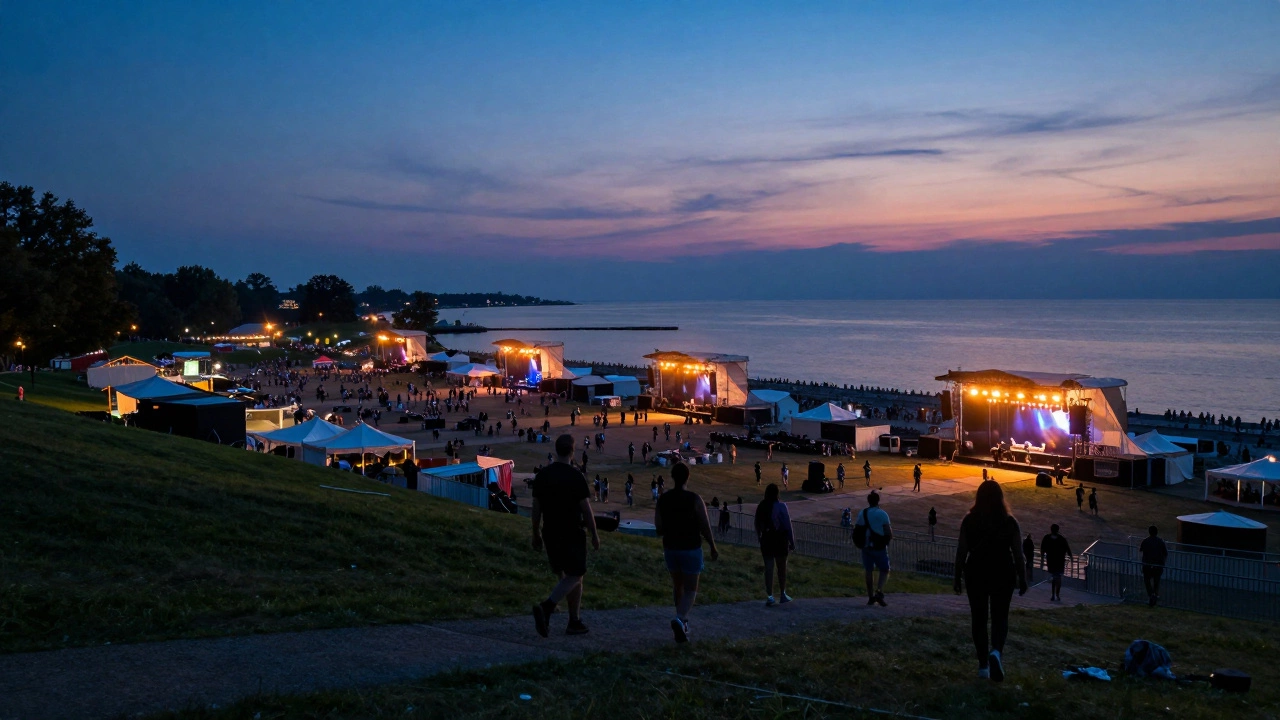
Summerfest takes place at Henry Maier Festival Park along Lake Michigan. Unlike Musikfest, every visitor needs a ticket. This creates a different kind of atmosphere-one where the crowd is specifically there to pay for the experience. The festival spans roughly nine to eleven days in late June and early July. By stretching the event over two weeks, Summerfest can host hundreds of performances across dozens of stages without crushing the venue with too many people at once. It’s a marathon, not a sprint, which helps them hit that impressive eight-figure attendance mark while maintaining a manageable daily flow.
The Cultural Phenomenon: Why Coachella Feels Like the Biggest
Here is where perception clashes with reality. According to recent analytics from Statista, Coachella Valley Music and Arts Festival is a premier annual music and arts festival held in Indio, California is often cited as the largest U.S. music festival by total attendance in specific data sets, drawing around 750,000 visitors. But wait-didn’t Summerfest just say they had 800,000? Yes, but Coachella does something different: it packs those people into a much shorter timeframe.
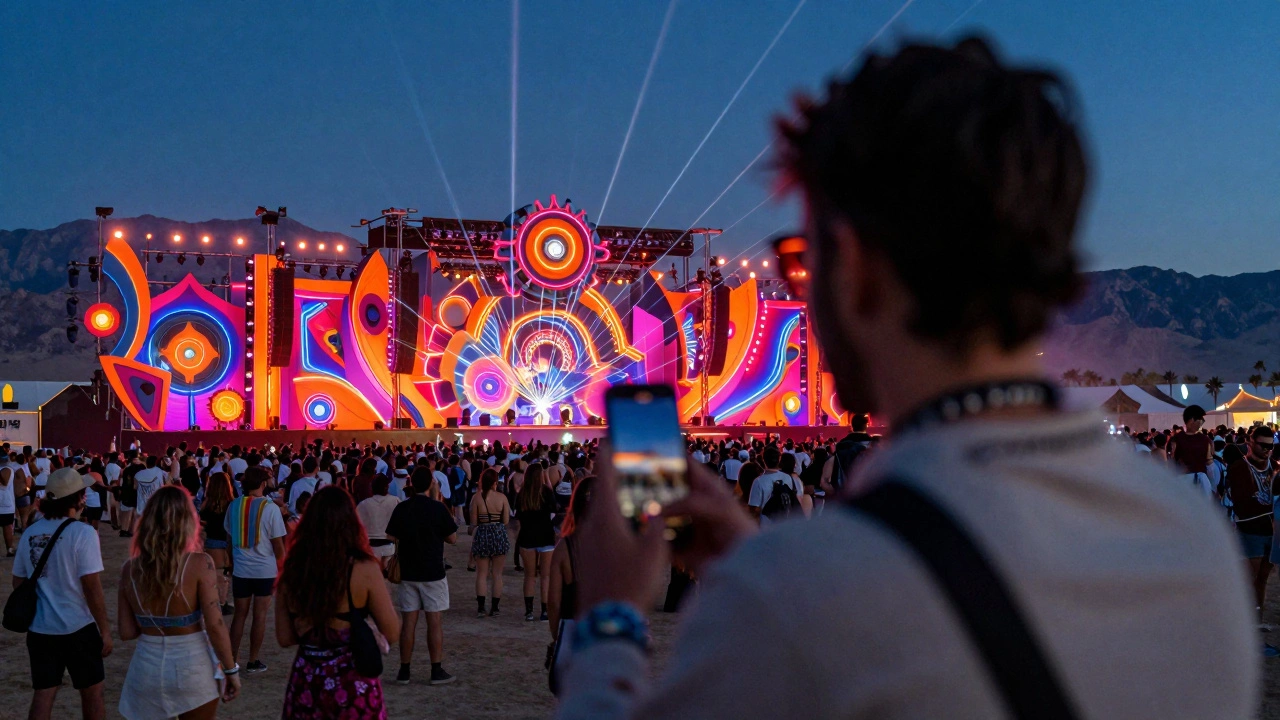
Coachella runs for only six days (two consecutive weekends). That means each weekend sees roughly 125,000 attendees per day. Compare that to Summerfest or Musikfest, which spread their crowds over nearly two weeks. The density at Coachella is intense. You are elbow-to-elbow with fashion influencers, celebrities, and fans from around the globe. This high concentration of media attention, combined with the viral nature of Instagram and TikTok, makes Coachella *feel* bigger than it actually is in terms of raw numbers. It dominates the cultural conversation, even if its total headcount is slightly lower than Milwaukee’s summer staple.
| Festival Name | Location | Estimated Total Attendance | Duration | Ticket Type |
|---|---|---|---|---|
| Musikfest | Bethlehem, PA | Over 1.3 million | 11 Days | Free |
| Summerfest | Milwaukee, WI | Over 800,000 | 9-11 Days | Ticketed |
| Coachella | Indio, CA | ~750,000 | 6 Days (2 Weekends) | Ticketed (Premium) |
| Lollapalooza | Chicago, IL | ~460,000 | 4 Days | Ticketed |
| New Orleans Jazz & Heritage | New Orleans, LA | ~460,000 | 9 Days | Ticketed |
The Non-Music Contender: New Year’s Eve in Times Square
We can’t talk about "biggest" without mentioning the elephant in the room: New Year's Eve in Times Square is an annual celebration marking the transition from one year to the next in New York City. Travel operators and media outlets often label this as the "biggest celebration of the year" in the U.S. While it isn’t a multi-day music festival, the scale is undeniable.
On December 31st, hundreds of thousands of spectators pack into Manhattan to watch the ball drop. When you add the global television audience-which reaches hundreds of millions-it becomes the most widely viewed live event in the country. If you define "festival" broadly as a mass public gathering, Times Square beats every music festival in terms of cultural reach and symbolic importance. However, if you strictly mean a ticketed or curated musical lineup, it doesn’t fit the standard model.
Other Heavyweights in the Festival Landscape
While the top three dominate the headlines, several other festivals punch above their weight class. Lollapalooza in Chicago consistently draws around 460,000 attendees over four days, making it one of the densest and most popular urban festivals. Similarly, the New Orleans Jazz & Heritage Festival attracts a similar number of visitors, though spread over a longer period, offering a deep dive into regional culture rather than just pop stars.
Then there is Electric Daisy Carnival (EDC) in Las Vegas. Time Out describes it as the largest electronic dance music festival in North America. While exact total attendance figures vary, the production value and nighttime spectacle create a unique draw that rivals general music festivals in popularity among younger demographics. Meanwhile, Outside Lands in San Francisco holds the title for the largest independently owned music festival in the U.S., proving that you don’t need corporate backing to attract massive crowds.
Why Does the "Biggest" Title Matter?
For attendees, knowing which festival is "biggest" helps manage expectations. If you want a laid-back, free experience where you can wander in and out, Musikfest is your bet. If you want a long-running party with diverse lineups and a classic festival vibe, Summerfest delivers. If you’re chasing trends, celebrity sightings, and a high-energy, compact experience, Coachella is the gold standard.
Pricing also plays a huge role. General admission tickets for major ticketed festivals like Coachella, Bonnaroo, and Lollapalooza typically range from $300 to $600, with VIP passes easily exceeding $1,000. In contrast, Musikfest offers its main stages for free, though special workshops or premium areas may cost money. This economic barrier significantly impacts who can attend, which in turn affects the "vibe" of the event.
Practical Tips for Attending Large-Scale Festivals
No matter which "biggest" festival you choose, the logistics remain challenging. Here is what you need to know before you go:
- Book Early: Hotels near major festivals sell out months in advance. For Coachella and EDC, camping options are limited and require quick action.
- Check ID Requirements: All major U.S. festivals enforce strict age limits. Bring valid government-issued ID. Uhomes guides emphasize that security checks are rigorous at high-attendance events.
- Prepare for Crowds: At events with 100,000+ daily attendees, restrooms, food lines, and stage fronts will be packed. Plan your schedule around meal times to avoid peak rushes.
- Weather Matters: Coachella is in the desert (hot days, cool nights). Summerfest is on a lake (variable weather). Musikfest is in Pennsylvania (summer storms). Pack accordingly.
Conclusion: There Is No Single Winner
So, what is the biggest festival in the USA? It depends entirely on how you measure size. Musikfest wins on total free attendance. Summerfest leads in cumulative ticketed numbers. Coachella dominates in daily density and cultural impact. And Times Square reigns supreme in broad public celebration.
Instead of searching for one definitive answer, think about what kind of experience you want. Are you looking for a budget-friendly community event? A week-long music marathon? Or a trendy, high-production spectacle? Once you define your priorities, the "biggest" festival becomes the right one for you.
Is Coachella really the biggest music festival in the US?
Not necessarily by total attendance. While Statista lists Coachella as having around 750,000 visitors, Summerfest claims over 800,000, and Musikfest draws over 1.3 million. However, Coachella is often considered the "biggest" due to its massive cultural influence, high daily attendance density, and global media coverage.
What is the largest free music festival in the United States?
Musikfest in Bethlehem, Pennsylvania, is widely recognized as the largest free music festival in the U.S. It runs for 11 days and attracts more than 1.3 million attendees annually, thanks to its open-access model across multiple city stages.
How many people attend Summerfest each year?
Summerfest in Milwaukee, Wisconsin, typically draws over 800,000 attendees annually. It spans approximately 9 to 11 days, allowing it to accommodate large crowds while maintaining a manageable daily flow.
Why do different sources give different rankings for the biggest festival?
Rankings vary because there is no central authority tracking festival attendance. Different sources use different metrics: some count total cumulative attendance over all days, others focus on daily averages, and some distinguish between free and ticketed events. Additionally, some festivals self-report numbers, which can lead to discrepancies.
Is New Year's Eve in Times Square considered a festival?
While not a traditional multi-day music festival, New Year's Eve in Times Square is often described as the "biggest celebration of the year" in the U.S. It draws hundreds of thousands of on-site spectators and hundreds of millions of TV viewers globally, making it a massive public gathering.
Which festival has the highest daily attendance?
Coachella likely has the highest daily attendance, with approximately 125,000 visitors per day across its two weekends. Because it compresses its total attendance into fewer days (six total) compared to longer festivals like Musikfest or Summerfest, the crowd density is significantly higher.