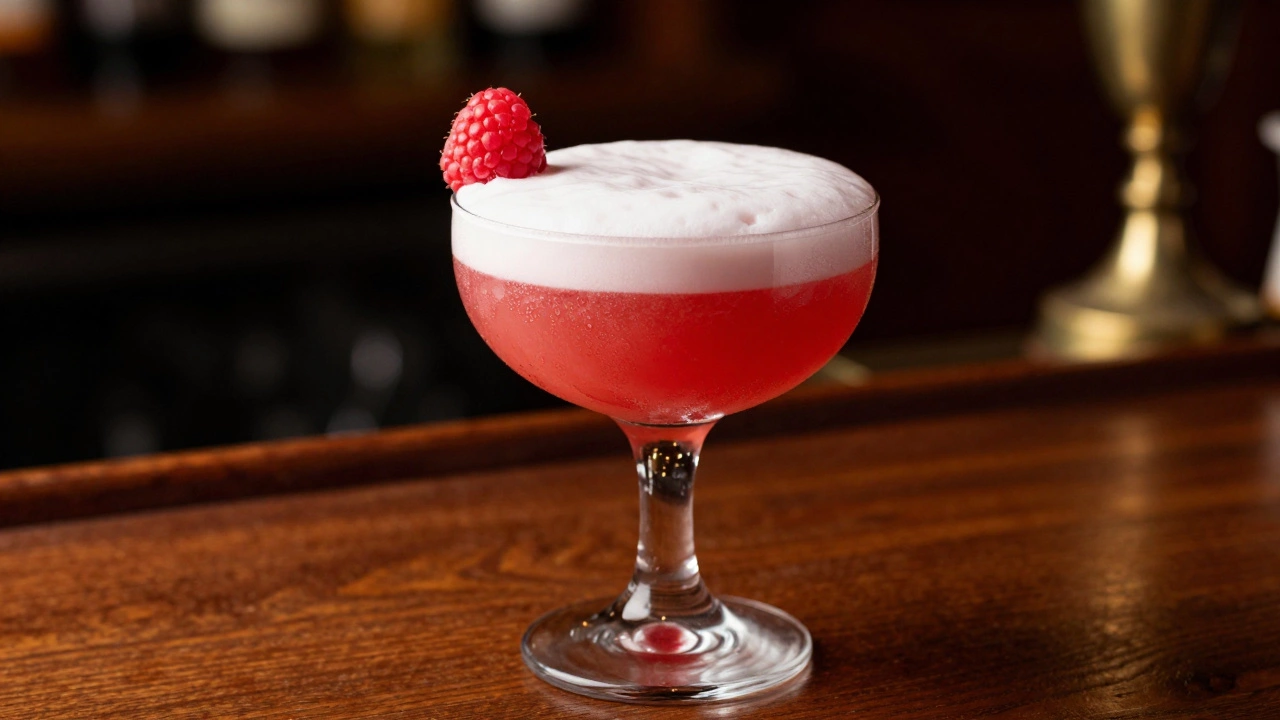
There is a specific kind of magic that happens when you pour a bright pink drink into a coupe glass. It looks like something from a vintage postcard, tastes like summer in a glass, and hides a surprisingly complex history behind its sweet exterior. If you have ever seen a Clover Club cocktail on a menu and wondered what makes it so special, you are not alone. It is the secret weapon of the home bartender who wants to impress without spending hours on intricate garnishes.
The Clover Club is often overshadowed by its more famous cousin, the French 75, but it deserves its own spotlight. It is lighter than a traditional sour, fruitier than a standard gin fizz, and has that beautiful frothy head that makes it impossible to resist. In this guide, we will break down exactly how to build this drink, where it came from, and why your homemade raspberry syrup might be the game-changer you did not know you needed.
The History Behind the Pink Drink
To understand the Clover Club, you have to go back to London in 1884. The drink was created at the exclusive White's Club, but its name comes from the nearby Clover Club, a social club for artists and writers. There is a bit of mystery about who actually invented it. Some say it was Harry Johnson, the legendary barkeeper known as "The Professor." Others claim it was Frank Meigs, another top-tier bartender of the era. What we do know is that it appeared in Johnson's 1900 book, *New and Original Drinks*, making it one of the oldest documented cocktails still served today.
For decades, the Clover Club faded into obscurity. It was too specific, requiring ingredients that were not always easy to find in the early 20th century. But in the last twenty years, it has made a massive comeback. Why? Because modern bartenders love the balance it offers. It bridges the gap between the tartness of a lemon sour and the effervescence of a champagne cocktail. It is a survivor, and knowing its roots adds a layer of sophistication every time you serve it.
Ingredients You Need for the Perfect Pour
Making a great Clover Club starts with respecting the ratios. This is not a drink where you can just eyeball things and hope for the best. Each component plays a structural role. Here is what you need to gather before you start shaking.
- Gin: You want a London Dry Gin. It needs botanicals like juniper and citrus peel to stand up to the sweetness. Avoid flavored gins or those with heavy spice profiles, as they will clash with the raspberry.
- Fresh Lemon Juice: Never use bottled juice. Freshly squeezed lemons provide the acidity needed to cut through the sugar. Aim for about 3/4 ounce per drink.
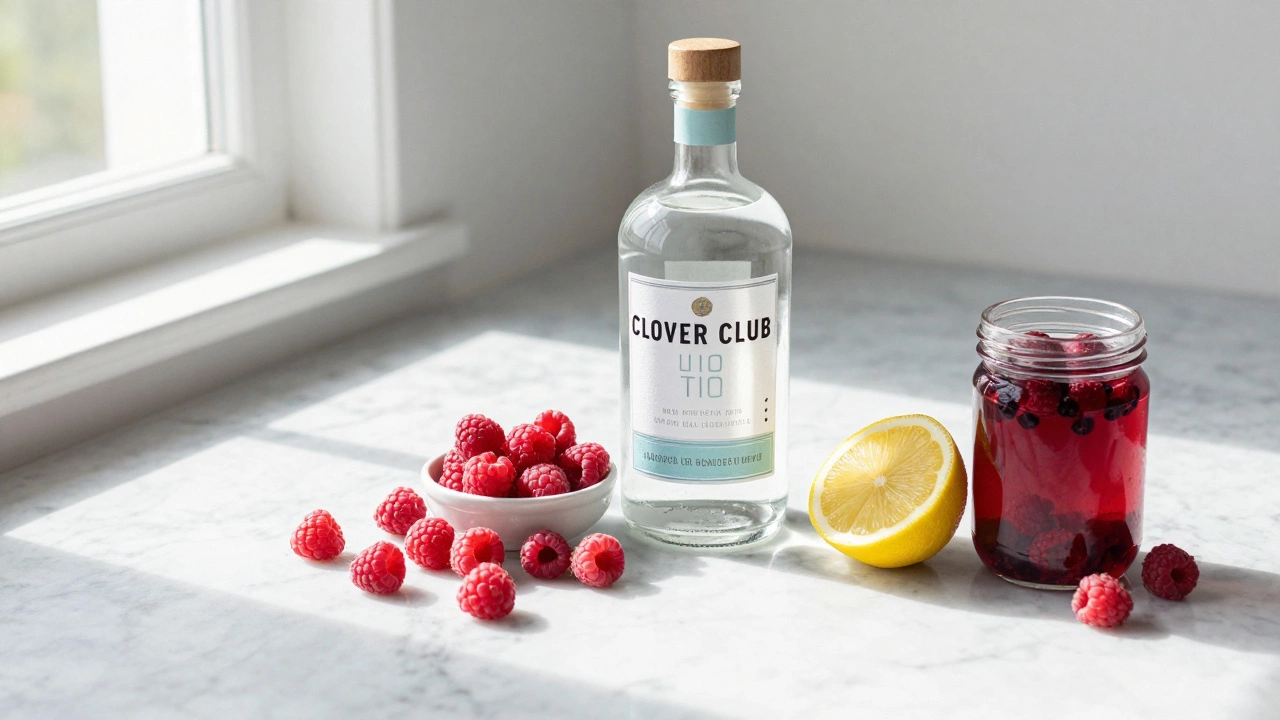
- Raspberry Syrup: This is the heart of the drink. Store-bought simple syrup works in a pinch, but it lacks depth. We will cover how to make a proper raspberry-infused syrup later.
- Egg White: Do not skip this. The egg white creates the signature foam and gives the drink a silky, velvety texture. If you are worried about raw eggs, pasteurized egg whites are a safe and effective alternative.
- Club Soda: A splash of soda water lightens the body of the drink and adds a gentle fizz. It transforms the mixture from a heavy sour into an airy refresher.
One thing you will notice is that there is no cream of tartar in the original recipe, even though some modern variations add it. Stick to the classics first. The egg white provides enough stability for the foam if you shake it correctly.
How to Make Homemade Raspberry Syrup
If you buy pre-made raspberry liqueur or syrup, you are missing out on half the fun. Making your own syrup takes ten minutes and elevates the cocktail from good to exceptional. The key is using fresh raspberries to get that natural color and tartness, rather than relying on artificial red dye.
- Combine Ingredients: In a small saucepan, combine 1 cup of granulated sugar, 1 cup of water, and 1 cup of fresh raspberries. If you cannot find fresh berries, frozen ones work perfectly fine.
- Heat Gently: Place the pan over medium heat. Stir until the sugar dissolves completely. Do not let it boil vigorously; you just want it to simmer gently for about five minutes.
- Steep: Remove the pan from the heat and let it cool completely. As it cools, the raspberries will release their color and flavor into the syrup. Let it sit for at least two hours, or overnight in the fridge for maximum intensity.
- Strain: Pour the mixture through a fine-mesh sieve into a jar. Press down on the berries to extract every drop of liquid. Discard the solids.
This syrup will keep in the refrigerator for up to three weeks. It is also delicious drizzled over yogurt or pancakes, so you will never waste it. When you use this in your Clover Club, you get a nuanced berry flavor that is sweet but not cloying, with a hint of tartness that balances the gin beautifully.
Step-by-Step Mixing Instructions
Now comes the part where technique matters. The Clover Club requires a "dry shake" method. This might sound complicated, but it is just a two-step shaking process that ensures you get that thick, stable foam on top.
| Ingredient | Amount |
|---|---|
| London Dry Gin | 2 oz (60 ml) |
| Fresh Lemon Juice | 3/4 oz (22 ml) |
| Raspberry Syrup | 3/4 oz (22 ml) |
| Egg White | 1/2 oz (15 ml) |
| Club Soda | 1 oz (30 ml) - added after straining |
Step 1: The Dry Shake
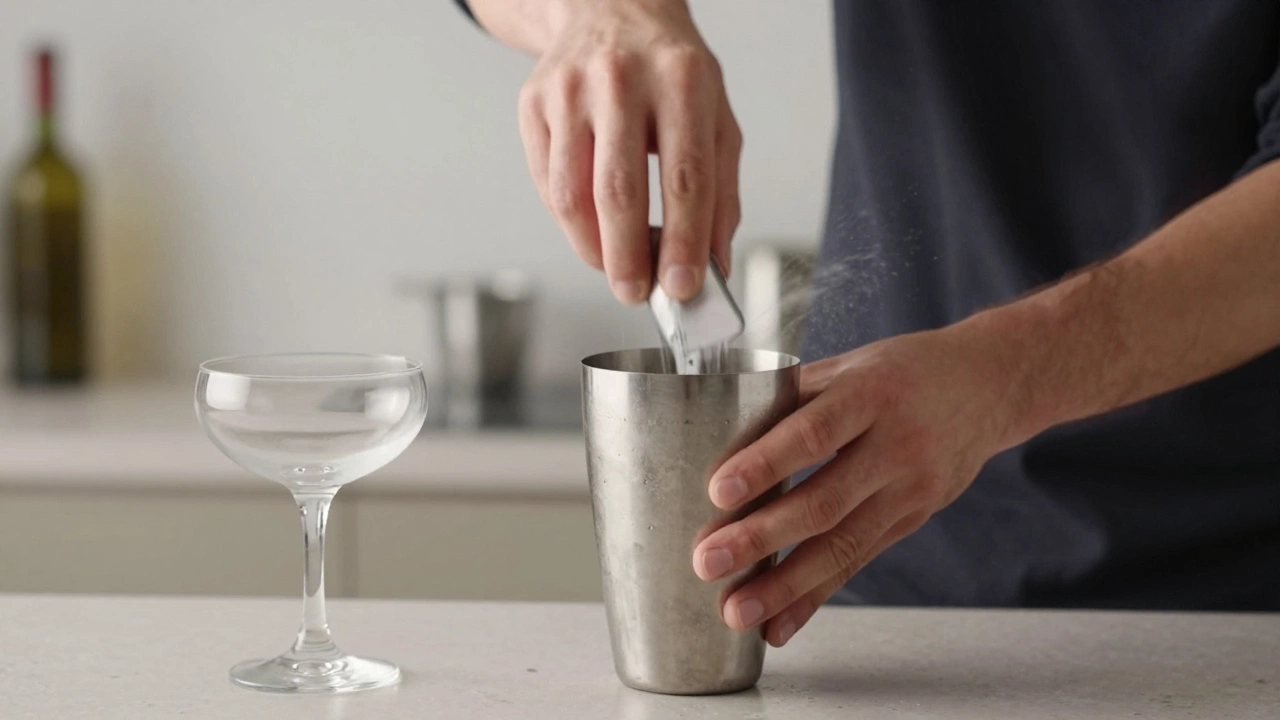
Add the gin, lemon juice, raspberry syrup, and egg white to a cocktail shaker. Do not add ice yet. Close the lid tightly and shake vigorously for 15 seconds. This step emulsifies the egg white with the liquids, creating the bubbles that form the foam. Without ice, the friction helps break down the proteins in the egg, resulting in a denser foam.
Step 2: The Wet Shake
Open the shaker and add a generous amount of ice. Close the lid again and shake hard for another 10-15 seconds. This chills the drink rapidly and dilutes it slightly, which is necessary to mellow the alcohol burn and integrate the flavors.
Step 3: Strain and Serve
Double strain the mixture into a chilled coupe glass. Use a Hawthorne strainer to hold back the ice, and then use a fine-mesh tea strainer to catch any bits of raspberry pulp or egg chalaza (the stringy part of the egg). This ensures a smooth, cloud-free pink liquid topped with a thick white foam.
Step 4: Top with Soda
Gently pour the club soda over the back of a spoon to preserve the foam. Garnish with a single fresh raspberry or a twist of lemon peel. Do not overcrowd the glass; the beauty of the Clover Club is its simplicity.
Troubleshooting Common Mistakes
Even experienced bartenders mess up the Clover Club sometimes. Here are the most common pitfalls and how to avoid them.
No Foam?
If your drink looks flat, you likely skipped the dry shake or did not shake it long enough. Egg white needs mechanical agitation to create foam. Also, check your egg white. If it is old, it may not whip as well. Using pasteurized liquid egg whites from a carton can sometimes yield less foam than fresh eggs, so shake harder if you use those.
Too Sweet?
Raspberry syrups vary in sweetness. If your homemade syrup is too strong, reduce the amount to 1/2 ounce and increase the lemon juice to 1 ounce. Taste your syrup before mixing. If it tastes like pure sugar, dilute it with a little extra water.
Bitter Aftertaste?
This usually means you used too much gin or not enough acid. Gin can be harsh on its own. Ensure you are using a balanced London Dry style. If the bitterness persists, try adding a tiny pinch of salt to the shaker. Salt suppresses bitterness and enhances fruit flavors.
Variations to Try Once You Master the Classic
Once you have nailed the basic recipe, feel free to experiment. The Clover Club is a versatile template.
- The Strawberry Clover: Swap the raspberry syrup for strawberry syrup. It is slightly less tart and pairs wonderfully with elderflower liqueur instead of gin.
- The Blackberry Twist: Use blackberry syrup for a deeper, darker color and a more earthy flavor profile. This version feels more autumnal.
- The Vodka Clover: Replace gin with vodka for a cleaner, fruit-forward taste. This is great for people who do not like the juniper punch of gin.
- The Non-Alcoholic Version: Omit the gin and double the club soda. Add a splash of tonic water for bitterness. It still gets the foam from the egg white (or aquafaba for a vegan option) and tastes refreshing.
Each variation changes the character of the drink, but the structure remains the same: spirit, acid, sweet, foam, fizz. Understanding this framework allows you to create your own seasonal twists.
Serving Suggestions and Pairings
The Clover Club is a daytime drink. It is too light for a late-night whiskey session but perfect for brunch, lunch, or an afternoon gathering. In Sydney, where I live, this is the go-to drink for outdoor dining during the warmer months. It pairs exceptionally well with light foods.
Think oysters, smoked salmon blinis, or a caprese salad. The acidity cuts through rich fats, while the sweetness complements fresh herbs. Avoid pairing it with heavy, spicy dishes like curries or BBQ ribs, as the delicate fruit notes will get lost. Instead, serve it alongside charcuterie boards with mild cheeses like goat cheese or brie.
Glassware matters too. Always use a coupe glass. It shows off the color and keeps the foam intact longer than a highball glass. Chill your glasses in the freezer for 15 minutes before serving to keep the drink cold without needing excessive ice, which can water it down.
Can I use raspberry liqueur instead of syrup?
Yes, you can, but you need to adjust the recipe. Liqueurs contain alcohol, so reduce the gin by half an ounce to maintain balance. Also, liqueurs are often sweeter and less tart than fresh syrup, so you may need to add a squeeze of extra lemon juice to keep the drink from becoming cloying.
Is the Clover Club vegan-friendly?
Traditionally, no, because of the egg white. However, you can substitute egg white with aquafaba (the liquid from a can of chickpeas). One tablespoon of aquafaba replaces one ounce of egg white. It creates a similar foam, though it may be slightly less dense. Shake vigorously to get the best results.
What is the difference between a Clover Club and a French 75?
The main differences are the mixer and the foam. A French 75 uses champagne instead of club soda and does not include egg white. It is sharper, more alcoholic, and less fruity. The Clover Club is softer, sweeter, and has a creamy texture due to the egg foam. Think of the French 75 as a sophisticated party drink and the Clover Club as a relaxed brunch companion.
How long does homemade raspberry syrup last?
Homemade raspberry syrup lasts up to three weeks in the refrigerator if stored in an airtight container. If you notice mold or an off smell, discard it immediately. For longer storage, you can freeze it in ice cube trays and thaw as needed.
Why do I need to double strain the cocktail?
Double straining removes ice chips, pulp from the fruit syrup, and bits of egg membrane. This ensures a smooth, professional-looking drink. Skipping this step can result in a gritty texture and unsightly particles floating in your beautiful pink cocktail.