There is nothing quite like the warmth of a strong coffee mixed with the smooth burn of spirits. It’s the kind of drink that stops you in your tracks on a cold evening or gives you the energy boost you need after a heavy meal. But not all coffee cocktails are created equal. Some are just sweet syrup disguised as alcohol, while others hit that perfect balance of bitter, sweet, and strong.
The Spanish coffee cocktail sits right at that sweet spot. It’s bold, it’s warm, and it’s incredibly easy to make if you know the right ratios. Unlike the Irish Coffee, which relies heavily on cream to mask the alcohol, this drink lets the flavors of the coffee and the spirit shine through. You don’t need a fancy bar setup or rare ingredients. Just a few staples from your kitchen cabinet and some patience for brewing good coffee.
What Exactly Is a Spanish Coffee?
If you’ve ever wondered why there are so many "national" coffee drinks-Irish, Russian, Cuban-you’re not alone. Each one reflects the local drinking culture and available ingredients. The Spanish Coffee is no different. While there isn’t one single official recipe recognized by a global bartending body, the classic version typically combines three key elements: strong black coffee, dark rum (or sometimes brandy), and sugar.
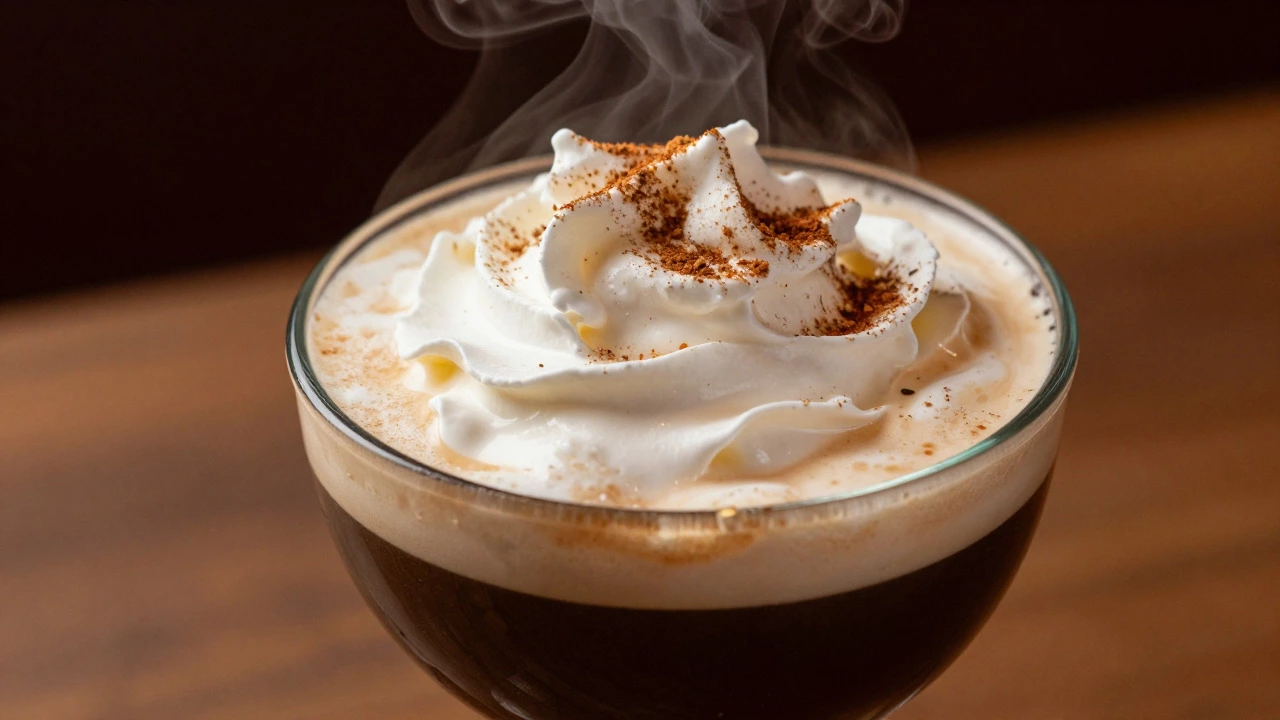
Some variations swap the rum for dark rum specifically because its molasses notes pair beautifully with roasted coffee beans. Others might add a splash of orange liqueur like Cointreau or Grand Marnier to brighten up the profile. The defining characteristic, however, is that it’s served hot, usually without the thick layer of whipped cream found in an Irish Coffee, though a light dusting of cocoa powder or cinnamon is common.
- Coffee: Needs to be strong. Espresso is ideal, but a very strong drip coffee works too.
- Spirit: Dark Rum is the traditional choice. Brandy or Cognac are popular alternatives.
- Sweetener: Brown sugar or demerara sugar adds depth. Simple syrup dissolves easier but lacks flavor complexity.
- Garnish: Whipped cream (optional), cinnamon, nutmeg, or chocolate shavings.
Gathering Your Tools and Ingredients
You don’t need a professional espresso machine to make this, but you do need decent coffee. If your coffee tastes like burnt water, no amount of rum will save it. Aim for a dark roast bean, freshly ground if possible. The bitterness of the coffee needs to stand up to the sweetness of the sugar and the potency of the alcohol.
For the spirit, look for a dark rum with some age on it. A cheap white rum will taste thin and harsh against the rich coffee. Brands like Myers’s Original Dark Rum or Captain Morgan Spiced Gold work well because they have vanilla and spice notes that complement the brew. If you prefer a fruitier profile, switch to a VSOP Brandy. It changes the character of the drink from spicy-sweet to fruity-smooth.
Finally, grab a heatproof glass mug. A standard ceramic mug works fine, but a clear glass allows you to see the layers if you decide to pour the liquor carefully over the back of a spoon-a technique borrowed from the Irish Coffee but less critical here since we usually stir everything together.
Step-by-Step Recipe for Classic Spanish Coffee
Making this drink is straightforward, but timing matters. You want the coffee hot, the sugar dissolved, and the alcohol integrated without cooking off the delicate aromatics of the spirit. Here is how to build it properly.
- Brew the Coffee: Prepare 4 ounces (120ml) of very strong black coffee. If using an espresso machine, pull two shots. If using a French Press or drip maker, use a higher ratio of grounds to water than usual.
- Add Sweetener: While the coffee is still piping hot, add 1 tablespoon of brown sugar or 1 teaspoon of simple syrup directly into the mug. Stir vigorously until completely dissolved. This step is crucial; undissolved sugar at the bottom ruins the texture.
- Add the Spirit: Pour in 1.5 ounces (45ml) of dark rum. Stir gently to combine. You’ll notice the color deepen slightly as the rum mixes with the coffee.
- Garnish: For the traditional finish, top with a dollop of lightly sweetened whipped cream if desired. Sprinkle with a pinch of ground cinnamon or nutmeg. Alternatively, shave a little dark chocolate over the top for a richer experience.
Drink it immediately. As the coffee cools, the acidity becomes more pronounced, and the balance shifts. This is a drink meant to be enjoyed in one sitting, warming you from the inside out.
Variations to Try
Once you master the base recipe, you can start playing around. The beauty of the Spanish Coffee is its flexibility. Here are three popular twists that change the vibe entirely.
| Variation Name | Spirit Swap | Flavor Profile | Best For |
|---|---|---|---|
| The "Madrid" Style | Brandy or Cognac | Fruity, smooth, oak-forward | Dessert replacement |
| Spiced Kick | Spiced Rum + Orange Liqueur | Warm spices, citrus brightness | Cold winter evenings |
| Chocolate Indulgence | Dark Rum + Kahlúa (Coffee Liqueur) | Intense coffee, creamy, sweet | Sweet tooth cravings |
The "Madrid" style swaps the rum for brandy. This makes the drink feel more like a digestif. It’s lighter on the palate but has a longer finish. The Spiced Kick variation adds half an ounce of orange liqueur. The citrus cuts through the heaviness of the coffee and rum, making it feel fresher. Finally, adding a shot of coffee liqueur like Kahlúa turns it into a dessert in a glass. It’s sweeter and heavier, so reduce the added sugar accordingly.
Common Mistakes to Avoid
I’ve seen plenty of home bartenders mess up coffee cocktails, usually by trying to cut corners. Here is what to watch out for.
- Using Weak Coffee: This is the number one error. If your coffee is watery, the drink will taste diluted and unbalanced. Use espresso or double-strength brewed coffee.
- Over-Sweetening: Dark rum and brown sugar already provide significant sweetness. Start with less sugar than you think you need. You can always add more, but you can’t take it out.
- Cold Spirits: Don’t chill your rum in the freezer before adding it to hot coffee. The temperature shock can cause the coffee to curdle if you add cream later, and it dulls the aromatic oils in the alcohol. Room temperature is best.
- Skipping the Stir: Alcohol doesn’t mix automatically with hot liquids. If you don’t stir thoroughly, you’ll get a sip of pure rum followed by a sip of unsweetened coffee. Mix it well.
Pairing Spanish Coffee With Food
This drink is powerful enough to stand on its own, but it pairs exceptionally well with certain foods. Because it’s high in caffeine and alcohol, it acts as a digestive aid. Serve it after a heavy meal featuring red meat or rich cheeses.
It also complements chocolate desserts perfectly. A slice of dark chocolate torte or a flourless chocolate cake mirrors the notes in the rum and coffee. If you’re serving it as an afternoon pick-me-up instead of a post-dinner drink, pair it with shortbread cookies or almond biscotti. The dryness of the cookie balances the moisture and richness of the cocktail.
Storage and Prep Tips
Can you make this ahead of time? Not really. The magic of the Spanish Coffee is the heat. However, you can prep components. Make a batch of simple syrup infused with cinnamon sticks or vanilla beans and store it in the fridge. When guests arrive, you just need to brew fresh coffee and assemble the drink. Freshly brewed coffee is non-negotiable for quality, but having the other elements ready speeds up service significantly.
If you have leftover coffee, freeze it in ice cube trays. These coffee cubes are great for future batches or for chilling iced coffee drinks without watering them down. It’s a small trick that saves waste and ensures you always have strong coffee bases available.
Is Spanish Coffee the same as Irish Coffee?
No, they are distinct drinks. Irish Coffee uses whiskey, butter, and is topped with a thick layer of heavy cream. Spanish Coffee typically uses dark rum or brandy, does not include butter, and often omits the heavy cream layer or uses only a light garnish. The flavor profiles are different: Irish Coffee is creamy and buttery, while Spanish Coffee is sharper and more focused on the coffee and spice notes.
Can I use instant coffee for this recipe?
You can, but it won’t taste as good. Instant coffee tends to lack the complex oils and aromatics of freshly brewed coffee. If you must use it, dissolve the granules in a small amount of hot water first to ensure there are no lumps, and consider using a high-quality freeze-dried instant rather than spray-dried powder for better flavor retention.
What is the alcohol content of a Spanish Coffee?
A standard Spanish Coffee with 1.5 ounces of 40% ABV rum has roughly the same alcohol content as a standard shot of liquor. It’s potent, especially when consumed quickly due to the heat masking the burn. Treat it like a full cocktail, not a casual sipping beverage.
Why is my Spanish Coffee tasting too bitter?
Bitterness usually comes from over-extracted coffee or insufficient sweetener. If your coffee is burnt-tasting, try a lighter roast or shorter brew time. If the coffee is fine, increase the sugar slightly. Brown sugar helps mask bitterness better than white sugar due to its molasses content.
Can I make a non-alcoholic version?
Yes. Replace the rum with a non-alcoholic rum alternative or simply omit it and add extra vanilla extract and a dash of bitters (alcohol-free) to mimic the complexity. Increase the sweetness slightly to compensate for the missing body of the alcohol.