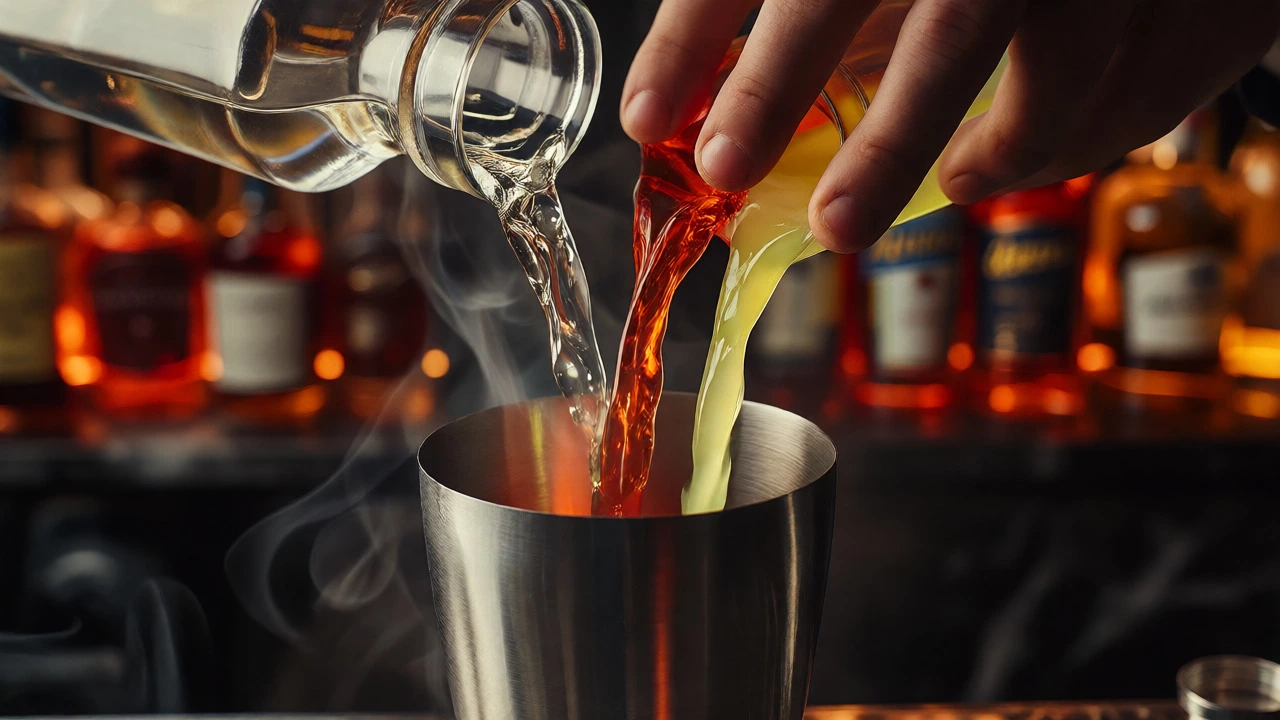
You’ve probably seen the Naked and Famous on every trendy bar menu from Brooklyn to Bondi. It’s equal parts Mezcal, Aperol, Yellow Chartreuse, and lime juice. Simple? Yes. But if you’re tired of the same smoky-bitter profile or want to tweak it for your specific palate, you need to know how to build a proper Naked and Famous variation. This isn’t just about swapping ingredients randomly; it’s about balancing smoke, bitterness, herbal sweetness, and acid. Here is exactly how to hack this classic without ruining it.
Why You Should Tweak Your Naked and Famous
The standard recipe is a masterpiece of balance, but it’s not universal. Some people find the smokiness of Mezcal overpowering. Others think Aperol is too sweet or that Yellow Chartreuse tastes like medicine. Maybe you have a bottle of Amaro sitting in your cabinet and no Mezcal. The beauty of this drink lies in its structure: it’s a "sour" template (spirit + liqueur + modifier + citrus) where all components are equal parts. That symmetry makes it incredibly easy to modify. If you change one element, you don’t need to recalculate ratios. You just need to understand what each ingredient brings to the party so you can replace it with something that plays the same role.
The Anatomy of the Original
To make a good variation, you first need to respect the original. Let’s break down the job each ingredient does. Think of them as players on a football team. You wouldn’t swap your goalkeeper for a striker without losing the game.
| Ingredient | Role | Flavor Profile | Possible Swaps |
|---|---|---|---|
| Mezcal | Base Spirit | Smoky, earthy, agave notes | Espadín Mezcal, Tequila Blanco, Smoked Whiskey |
| Aperol | Bitter Modifier | Bittersweet, orange, low ABV | Campari, Cynar, Suze, Ramazzotti |
| Yellow Chartreuse | Herbal Sweetener | Honeyed, complex herbs, floral | Green Chartreuse, Galliano, St-Germain, Honey Syrup |
| Lime Juice | Acid | Sharp, fresh, bright | Grapefruit Juice, Lemon Juice, Yuzu Juice |
Notice that the acid is always lime in the classic version. Why? Because lime cuts through the heavy herbal weight of Chartreuse better than lemon does. Grapefruit works beautifully with Mezcal but changes the vibe entirely. Keep these roles in mind when you start experimenting.
Variation 1: The Smoky Swap (Tequila Base)
Not everyone loves smoke. If you prefer clean agave flavors over campfire vibes, swap the Mezcal for a high-quality Tequila Blanco. Use a 100% agave blanco that costs more than $40 AUD. Cheap mixto tequilas will taste harsh against the delicate Chartreuse.
- Recipe: 25ml Tequila Blanco, 25ml Aperol, 25ml Yellow Chartreuse, 25ml Lime Juice.
- Technique: Shake hard with ice for 12 seconds. Strain into a coupe glass.
- Result: You lose the smoke, but gain a brighter, cleaner finish. The Aperol and Chartreuse still provide that bitter-herbal backbone, but it feels lighter. This is great for hot Sydney afternoons.
Variation 2: The Bitter Twist (Campari or Cynar)
Aperol is mild. If you want more punch, swap it for Campari. But be careful-Campari is significantly more bitter and has higher alcohol content. To keep the balance, reduce the total volume slightly or add a tiny splash of simple syrup if it feels too sharp.
For a deeper, vegetable-forward twist, try Cynar instead of Aperol. Cynar is made from artichokes. It adds an earthy, savory note that pairs surprisingly well with the smokiness of Mezcal. It turns the drink from a refreshing aperitif into a digestif-style cocktail.
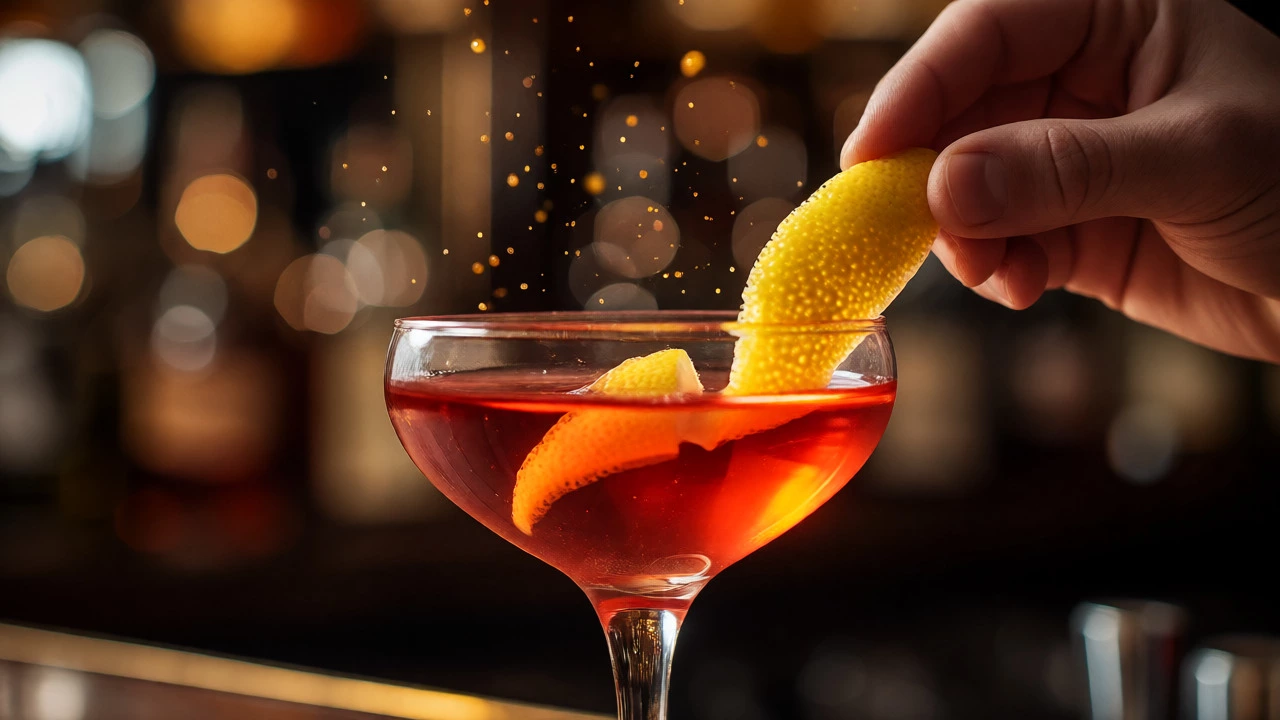
- Pro Tip: When using Campari, use a yellow garnish (like a lemon peel) to visually contrast the red color, even though the flavor profile is darker.
Variation 3: The Herbal Upgrade (Green Chartreuse)
Here is where things get intense. Most people stick to Yellow Chartreuse because it’s sweeter and milder. Green Chartreuse is stronger, spicier, and more potent (55% ABV vs 43%). If you swap Yellow for Green, the drink becomes much more aggressive.
Does it work? Absolutely. But you need to adjust the base spirit. Green Chartreuse overpowers Tequila. It needs the muscle of Mezcal to stand up to it. Try this combo:
- 25ml Espadín Mezcal
- 25ml Aperol
- 25ml Green Chartreuse
- 25ml Lime Juice
This variation is less approachable for beginners but beloved by bartenders. It tastes like a forest fire. If it’s too strong, drop the Green Chartreuse to 20ml and add 5ml of honey syrup.
Variation 4: The Floral Pivot (Galliano or Elderflower)
If Yellow Chartreuse tastes too medicinal to you, try Galliano L’Autentico. It’s vanilla-heavy and floral. It doesn’t have the same herbal complexity, but it brings a dessert-like quality that balances the bitterness of Aperol nicely.
Alternatively, use St-Germain (elderflower liqueur). This makes the drink sweeter and more aromatic. It’s a crowd-pleaser at parties because it masks the bitterness of the other ingredients. However, since St-Germain is very sweet, consider reducing the Aperol to 20ml and adding 5ml of soda water on top for fizz.
Common Mistakes When Making Variations
I see three main errors when people try to remix this cocktail. First, they measure poorly. Equal parts means exactly that. Use a jigger. Eyeballing it leads to unbalanced drinks. Second, they under-shake. This drink has citrus and viscous liqueurs. You need vigorous shaking to chill it properly and create a silky texture. Shake until the shaker is painful to hold.
Third, they ignore the ice. Always shake with plenty of ice. If your ice cubes are small or hollow, the drink gets watery before it gets cold. Use large, solid cubes for shaking, then strain into a chilled coupe. Never serve this drink over ice in a rocks glass unless you specifically want it diluted.
Garnishing Your Variation
The original uses a flamed orange peel. Why? The oils from the peel enhance the citrus notes. For variations, match the garnish to the swap:
- Tequila Base: Salt rim optional, or a dehydrated lime wheel.
- Campari Swap: Orange peel expressed over the drink.
- Green Chartreuse: Mint sprig slapped to release aromatics.
- Galliano Swap: Vanilla bean pod or lemon zest.
Frequently Asked Questions
Can I use lemon juice instead of lime?
Yes, but it changes the character. Lemon is less acidic and more floral. It pairs better with Tequila variations than with Mezcal. If you use lemon, consider adding a pinch of salt to lift the flavors.
Is there a non-alcoholic version?
It is difficult because the complexity comes from the spirits. However, you can try a seedlip Grove (for the citrus/bitter) mixed with a non-alcoholic mezcal alternative, plus a dash of bitters. It won't be identical, but it captures the essence.
Which Chartreuse should I buy if I only pick one?
Buy Yellow Chartreuse. It is more versatile for cocktails like the Naked and Famous, Last Word, and Bijou. Green Chartreuse is excellent but dominates many recipes and requires precise balancing.
Can I batch this cocktail?
Yes. Mix the Mezcal, Aperol, and Chartreuse in a bottle ahead of time. Store it in the fridge. When ready to serve, pour 75ml of the pre-mix into a shaker, add 25ml fresh lime juice, shake with ice, and strain. Do not pre-mix the lime juice as it oxidizes and loses brightness.
What food pairs best with these variations?
The original pairs with salty snacks like olives or chips. The Tequila variation goes well with ceviche or tacos. The Green Chartreuse variation suits dark chocolate or rich cheese plates due to its intensity.