Mocktail Straw Strategy Calculator
Describe Your Drink & Situation
💡 Pro Tip:
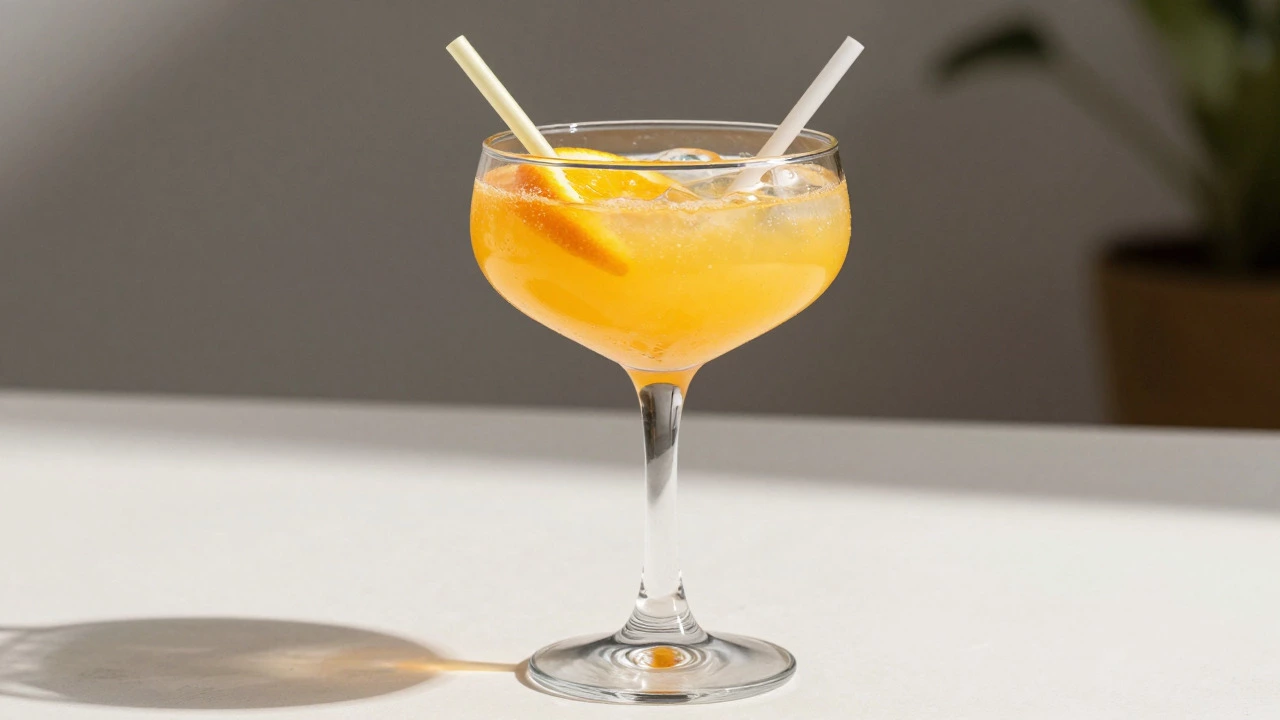
You’ve seen it happen at every trendy bar and upscale restaurant. You order a refreshing, alcohol-free drink-a mocktail is a sophisticated non-alcoholic mixed drink designed to mimic the complexity and presentation of alcoholic cocktails-and it arrives with two tiny straws sticking out of the glass. It looks cute. It looks intentional. But why? Is it for sharing? Is it a secret code? Or is there actually a physics lesson hidden in your beverage?
The short answer is that there isn’t just one reason. The practice of serving drinks with dual straws is an informal convention born from bartending habits, fluid dynamics, and business strategy. While many people assume this is strictly for alcoholic cocktails, the logic applies perfectly to mocktails because they share the same structural elements: ice, syrups, juices, and garnishes.
The Physics of Sipping: Airflow and Vacuum Prevention
If you have ever tried to sip a thick smoothie or a drink packed with crushed ice through a single narrow straw, you know the struggle. You pull hard, but the liquid barely moves. This isn't just about the thickness of the drink; it’s about pressure.
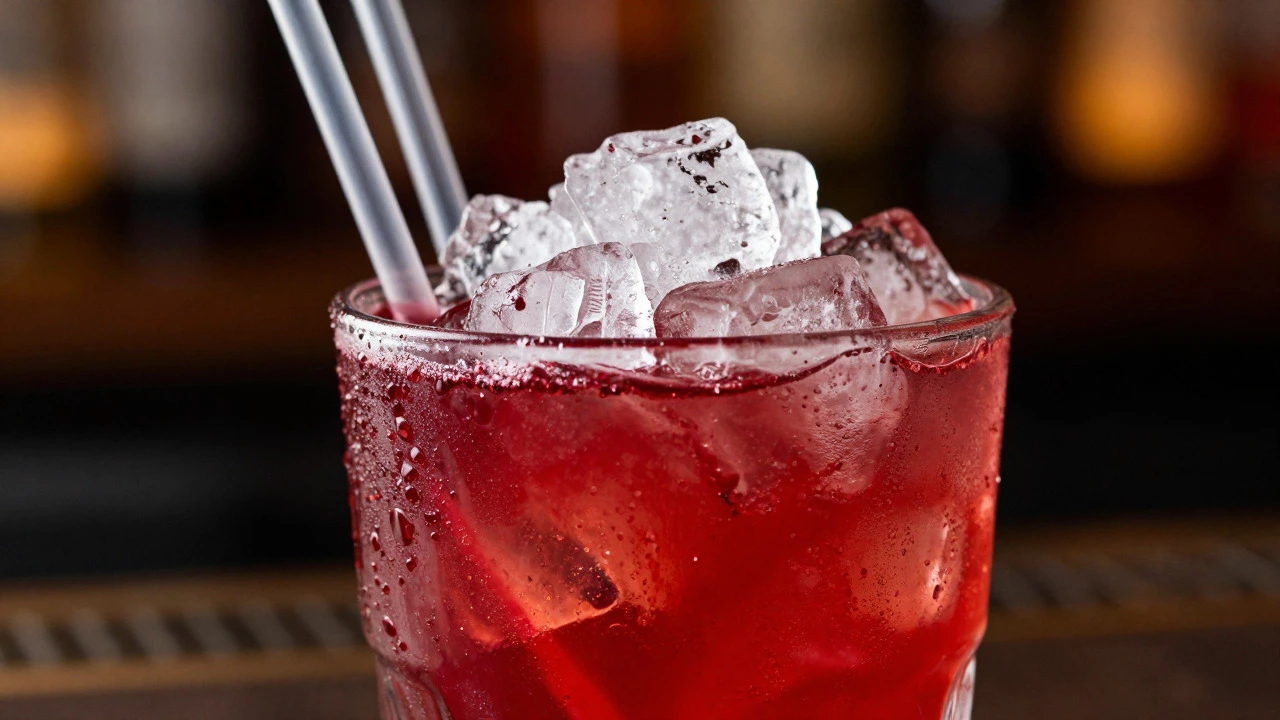
When you drink from a glass filled with compacted crushed ice or heavy fruit purees, you create a vacuum as the liquid level drops. The ice acts like a cork, trapping air underneath. If you only have one straw, that straw has to do double duty: let liquid in and let air out to equalize the pressure. It’s inefficient.
By providing a second straw, bartenders solve this problem. One straw is used for drinking, while the other acts as an air channel. Ambient air enters through the unused straw, preventing a vacuum from forming between the ice plug and the remaining liquid. This allows for smoother, faster sipping without having to suck harder than necessary. This is particularly relevant for frozen mocktails or those muddled with herbs and berries, which are common in modern non-alcoholic menus.
Tasting the Layers Without Mixing
Many high-end mocktails are built in layers, much like their alcoholic counterparts. A classic example might be a sunrise-style drink with dense syrup at the bottom and lighter juice on top. Bartenders often use two straws of different lengths or diameters to enhance this experience.
- The Short Straw: Allows you to taste the top layer first, experiencing the initial flavor profile intended by the mixologist.
- The Long Straw: Reaches the bottom layer, letting you sample the base notes or denser ingredients separately.
This setup gives you control over how you experience the drink. You can choose to sip from the top down, enjoying the gradual change in flavor, or use both straws to mix the layers yourself if you prefer a uniform taste. It turns the act of drinking into an interactive tasting session.
Stirring vs. Sipping: The Dual Purpose
Those tiny, thin straws you see in short glasses aren’t really designed for high-volume sipping like a standard soda straw. In fact, many bartenders argue they are primarily stirrers. When you receive a drink with fresh herbs, citrus wheels, or settled syrups, the flavors may separate slightly after sitting for a few minutes.
Having two straws allows you to gently stir the drink to recombine ingredients and chill it further, while still having a dedicated path for sipping. It’s a practical tool for maintaining the drink’s integrity throughout your visit. If you only had one straw, stirring would require removing it, which disrupts the aesthetic and hygiene of the service.
Sharing and Social Dynamics
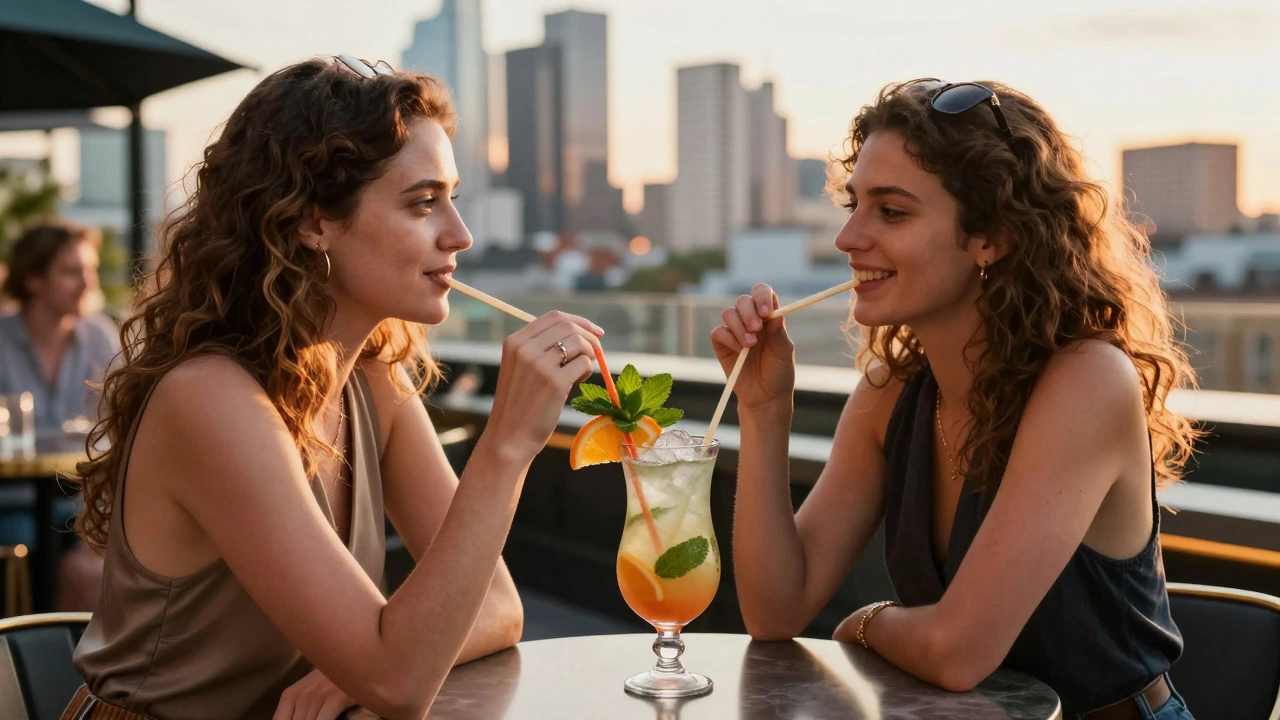
Let’s not ignore the social aspect. Two straws naturally invite sharing. In romantic settings or among friends, a large-format mocktail served with two identical straws signals that it’s meant to be shared. It breaks down barriers and encourages conversation.
Even if you’re drinking alone, the presence of two straws can make the drink feel more substantial and luxurious. It mimics the presentation of premium cocktails, reinforcing the idea that mocktails are not just "water with juice" but complex beverages deserving of the same attention to detail.
Internal Coding and Operational Efficiency
Behind the scenes, bars often use visual cues to manage orders quickly. Some establishments use the number or color of straws as an internal code for staff. For instance:
| Straw Configuration | Possible Meaning (Varies by Venue) |
|---|---|
| One Blue Straw | Diet Soda or Non-Alcoholic Base |
| Two Blue Straws | Premium Spirit Version or Alcoholic |
| Two Clear Straws | Standard Cocktail/Mocktail Presentation |
| No Straw | Shot or Sipper Drink |
While these codes are not universal and vary wildly between venues, it’s possible your mocktail received two straws simply because the bar uses that configuration to flag certain types of orders for speed or accuracy during busy shifts.
Business Strategy: Drinking Faster
There is also a pragmatic, albeit less romantic, reason: turnover. Drinks with two straws are consumed faster. Whether due to improved airflow or the psychological cue of sharing, guests finish their beverages more quickly when given two pathways. For a bar, this means higher table turnover and potentially more sales per hour. It’s a subtle nudge toward efficiency that benefits the establishment, even if it doesn’t always benefit the guest who wanted to linger over their drink.
Environmental Considerations and Trends
As environmental awareness grows, the use of multiple plastic straws is coming under scrutiny. Many cities have banned single-use plastics, pushing bars to adopt paper, metal, or reusable alternatives. This shift is changing the two-straw tradition. You may now see two paper straws, or perhaps one sturdy reusable straw alongside a decorative element. The core reasons remain the same, but the materials are evolving to meet sustainability goals.
Are mocktails always served with two straws?
No, it depends on the venue and the specific drink. Thick, icy, or layered mocktails are more likely to receive two straws for functional reasons. Simple, clear mocktails in tall glasses often get just one.
Should I ask for one straw instead?
Absolutely. If you prefer a slower pace or want to reduce waste, asking for one straw is perfectly acceptable. Most bartenders will accommodate this request without issue.
Do two straws mean the drink is stronger?
Not necessarily. While some bars use straw count as an internal code, there is no universal rule linking two straws to alcohol content. For mocktails, it’s usually about texture and presentation.
Is it rude to use both straws at once?
Not at all. If the drink is thick or icy, using both straws can improve airflow and make sipping easier. It’s a practical choice rather than a breach of etiquette.
Why do some bars use colored straws?
Colored straws can serve as visual markers for dietary restrictions (like sugar-free), ingredient types (premium vs. standard), or simply for aesthetic branding. Always check with your server if you’re unsure.