Whiskey vs. Bourbon Selector
Bourbon
American Sweetheart
- Must be made in USA
- At least 51% Corn
- New Charred Oak Barrels
General Whiskey
Global Tradition
- Made Globally (Scotland, Ireland, etc.)
- Varied Grains (Barley, Rye)
- Often Used Barrels
Select a spirit above
Waiting...| Geography | - |
|---|---|
| Main Grain | - |
| Barrel Type | - |
| Flavor Profile | - |
| Best For | - |
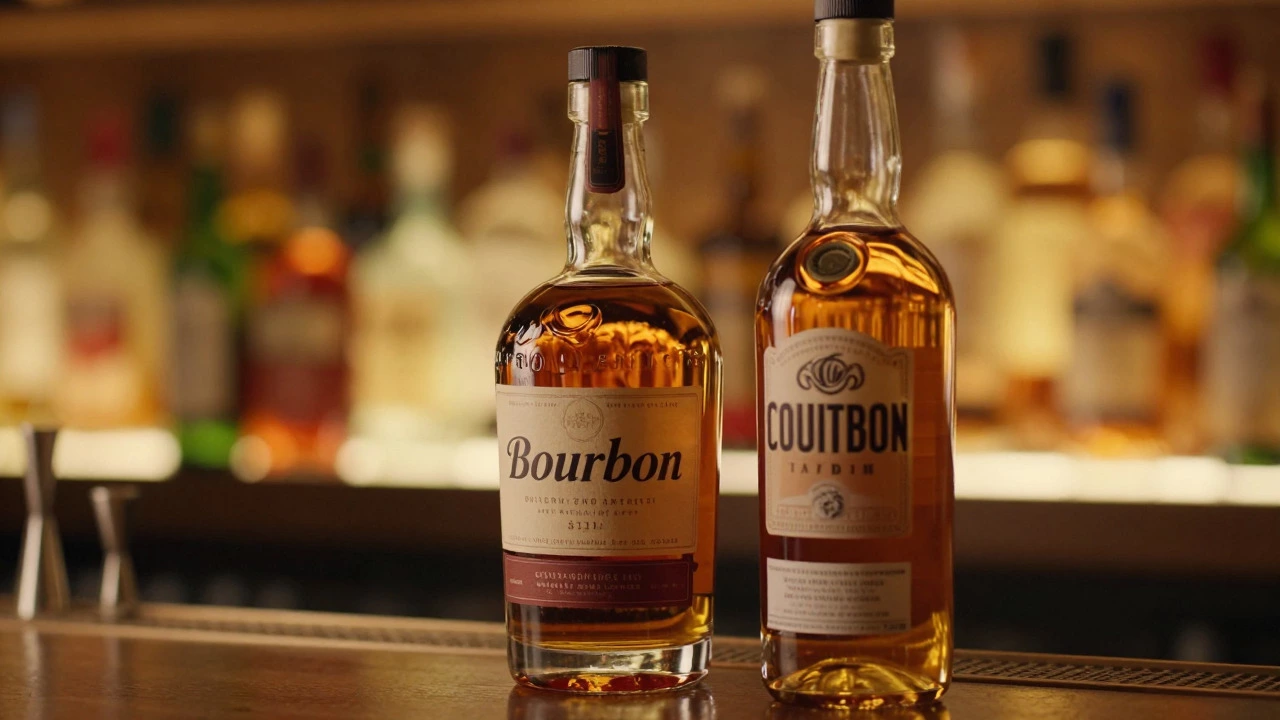
You walk into a bar or browse the liquor aisle, and you see two bottles sitting next to each other. One says "Bourbon," and the other just says "Whiskey." You might think they are the same thing, or maybe you assume bourbon is a completely different spirit altogether. It’s a common confusion. The short answer is simple: bourbon is a specific type of whiskey. Think of it like this-whiskey is the entire family, and bourbon is one specific cousin in that family.
Understanding the difference isn’t just about trivia; it changes how you taste the drink, what cocktails you make, and even which bottle you buy for your home bar. Let’s break down exactly where these spirits come from, how they are made, and why they taste so different.
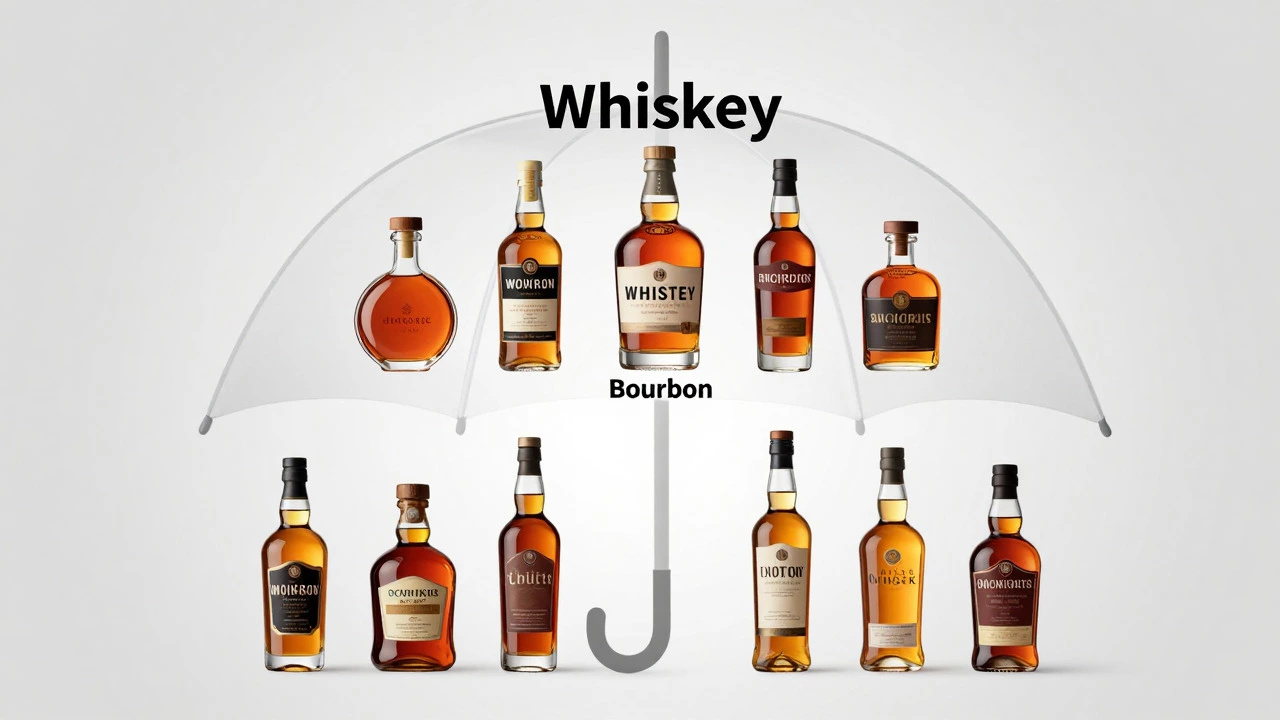
The Umbrella Rule: All Bourbon Is Whiskey
To clear up the biggest misconception first, we need to look at the hierarchy. Whiskey (or whisky) is a broad category of alcoholic beverages distilled from fermented grain mash and aged in wooden barrels. It is an umbrella term that covers spirits produced all over the world, including Scotland, Ireland, Canada, Japan, and the United States.
Bourbon is a legally defined subset of American whiskey. If you see a bottle labeled as bourbon, it is automatically whiskey. However, if you see a bottle labeled as Scotch, Rye, or Irish whiskey, it is definitely not bourbon. This relationship is often summarized by the phrase: "All bourbon is whiskey, but not all whiskey is bourbon."
This distinction matters because "whiskey" on its own doesn't tell you much about what's inside the bottle. It could be smoky, spicy, sweet, or light. Bourbon, on the other hand, has strict rules that guarantee a certain flavor profile. When you buy bourbon, you know exactly what standards were met during production.
The Legal Recipe: What Makes Bourbon Bourbon?
Bourbon isn’t just a style; it’s a legal designation in the United States. To earn the name "bourbon," a distiller must follow five non-negotiable rules set by the U.S. government. If they miss even one, they have to label their product differently.
- Made in the USA: Bourbon must be produced in the United States. While Kentucky is famous for it, bourbon can technically be made in any state, though Kentucky remains the heartland of production.
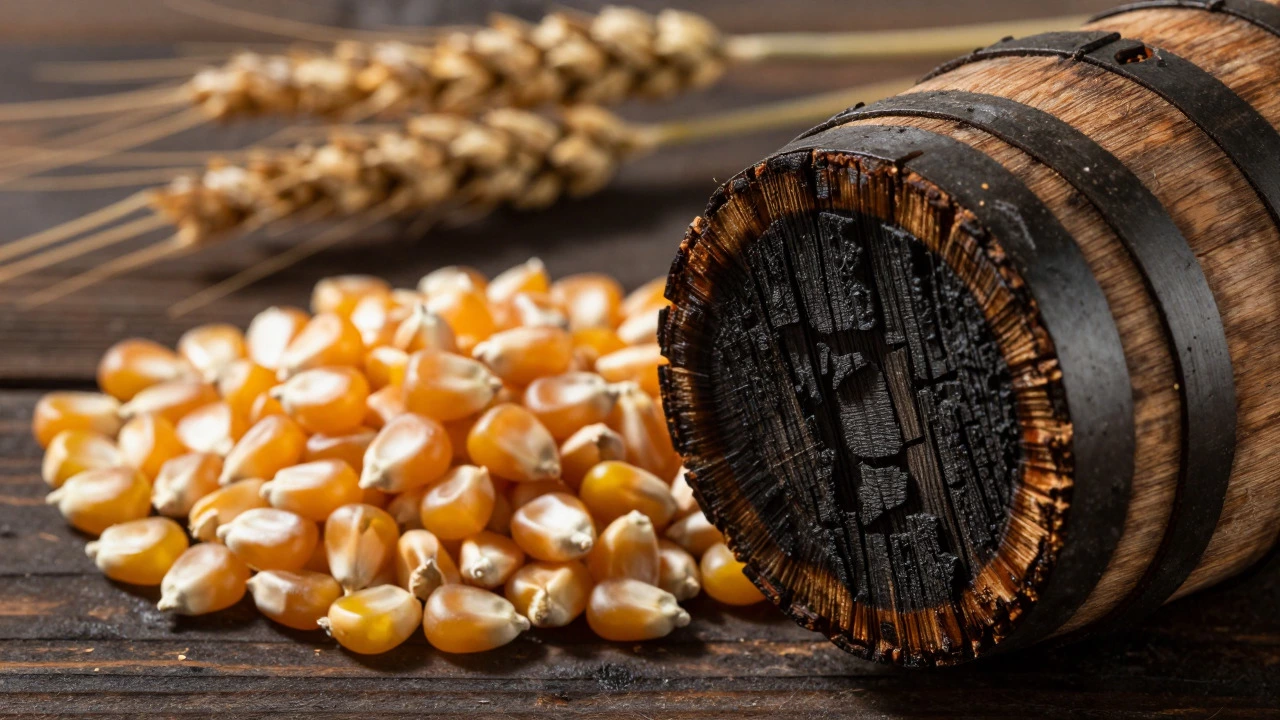
- Corn Dominance: The mash bill (the mixture of grains) must contain at least 51% corn. The rest is usually rye, wheat, or barley malt. This high corn content is what gives bourbon its signature sweetness.
- New Charred Oak Barrels: Bourbon must be aged in brand new, charred oak barrels. Unlike Scotch or Irish whiskey, which often use used barrels, bourbon requires fresh wood every time. This imparts strong vanilla and caramel flavors.
- Distillation Proof: It must be distilled to no more than 160 proof (80% alcohol by volume). This ensures that enough flavor compounds from the grains remain in the spirit.
- Barrel Entry Proof: It must enter the barrel at no more than 125 proof (62.5% ABV). This allows the wood to interact with the liquid properly during aging.
- No Additives: Nothing can be added to change the color or flavor. No caramel coloring, no artificial vanilla. Only water can be added to adjust the final bottling strength, which must be at least 80 proof (40% ABV).
These rules create a consistent baseline. When you pour a glass of bourbon, you are drinking a spirit that was forced by law to be sweet, oaky, and robust.
Whiskey’s Wild Card: Flexibility in Production
In contrast, general whiskey has far fewer universal restrictions. Because "whiskey" is a global category, the rules depend entirely on where it is made and what style it claims to be.
For example, Scotch whisky must be made in Scotland and is typically distilled from malted barley. It is often aged in used barrels, such as those that previously held sherry or bourbon, which adds complex fruity or dried fruit notes rather than the heavy vanilla punch of new oak. Irish whiskey is usually triple-distilled, making it lighter and smoother, with less emphasis on the heavy oak influence found in bourbon.
Rye whiskey, another American style, must contain at least 51% rye grain. This makes it spicier and drier than bourbon. Canadian whisky often uses a blend of grains and may allow small amounts of flavoring agents, which is strictly forbidden in bourbon. The flexibility of whiskey means you can find everything from peaty, smoky drams from the Scottish Highlands to light, floral spirits from Ireland, all under the same broad label.
Taste Test: Sweetness vs. Complexity
The most noticeable difference between bourbon and other whiskeys is the flavor. Because bourbon must be made with at least half corn and aged in new charred oak, it tends to be sweeter and fuller-bodied. You will typically taste notes of caramel, vanilla, honey, and toasted oak. It’s approachable and rich, which is why it’s a favorite for beginners and cocktail makers alike.
Other whiskeys offer different experiences. Scotch might bring smoke, salt, heather, or dried fruits. Rye whiskey offers sharp spice, pepper, and herbal notes. Irish whiskey provides a clean, crisp, and airy texture. If you prefer a dry, spicy kick in your Old Fashioned, you might reach for rye. If you want something smooth and sweet for a Mint Julep, bourbon is the standard choice.
| Attribute | Whiskey (General) | Bourbon |
|---|---|---|
| Category | Broad global class of grain spirits | Specific type of American whiskey |
| Geography | Global (Scotland, Ireland, Japan, etc.) | Must be made in the United States |
| Main Grain | Varies (barley, rye, wheat, corn) | At least 51% corn |
| Barrels | Often used barrels (ex-sherry, ex-bourbon) | Must be new, charred oak barrels |
| Additives | Some styles allow coloring/flavoring | No additives allowed (except water) |
| Flavor Profile | Diverse: smoky, spicy, light, earthy | Sweet, vanilla, caramel, oaky |
Spelling Matters: Whiskey vs. Whisky
If you’re looking at labels, you’ll notice another confusing detail: the spelling. In the United States and Ireland, it is spelled "whiskey" with an "e." In Scotland, Canada, and Japan, it is spelled "whisky" without the "e." Bourbon is always labeled as "bourbon" or "bourbon whiskey" in the U.S., regardless of the broader spelling trend. This spelling difference is purely regional and historical, but it helps you identify the origin of the spirit at a glance. If you see "whisky," it’s likely coming from outside the U.S. or Ireland.
Which One Should You Choose?
Your choice depends on what you’re doing with the drink. If you are mixing classic American cocktails like an Old Fashioned, Manhattan, or Mint Julep, bourbon is the traditional go-to. Its sweetness balances the bitters and sugar beautifully. It’s also a great entry point for sipping neat if you are new to spirits, as the vanilla and caramel notes are easy on the palate.
If you enjoy exploring complex, earthy, or smoky flavors, you might prefer Scotch or Japanese whisky. These spirits reward slow sipping and contemplation. For those who like spice and bite, rye whiskey is the better alternative to bourbon in cocktails, providing a sharper contrast to sweet mixers.
Ultimately, there is no wrong answer. Bourbon is a delicious, well-regulated expression of American craftsmanship. General whiskey is a vast, diverse world of traditions from around the globe. Knowing the difference helps you navigate the shelf with confidence and pick the bottle that matches your mood.
Is bourbon stronger than whiskey?
Not necessarily. Both bourbon and other whiskeys are typically bottled at 80 proof (40% ABV) or higher. Some bourbons are bottled at cask strength (over 120 proof), but so are many Scotch and rye whiskies. The strength depends on the specific bottle, not the category.
Can bourbon be made outside of Kentucky?
Yes. While Kentucky is famous for bourbon, the law only requires that it be made in the United States. Distilleries in states like Indiana, Texas, and New York produce legal bourbon, though Kentucky still accounts for the majority of production.
Why does bourbon have to use new barrels?
New charred oak barrels impart strong flavors of vanilla, caramel, and toast. Used barrels have already given up most of their flavor compounds. Requiring new barrels ensures that every batch of bourbon has a consistent, robust oak character.
What is the main grain in bourbon?
Corn. By law, the mash bill for bourbon must contain at least 51% corn. This high corn content is responsible for bourbon's characteristic sweetness compared to other whiskeys.
Can I use whiskey instead of bourbon in recipes?
It depends on the recipe. If a recipe calls for bourbon, it usually relies on its sweetness and vanilla notes. Using a smoky Scotch or spicy rye will change the flavor profile significantly. For cooking, bourbon is often preferred for desserts and glazes due to its natural sweetness.