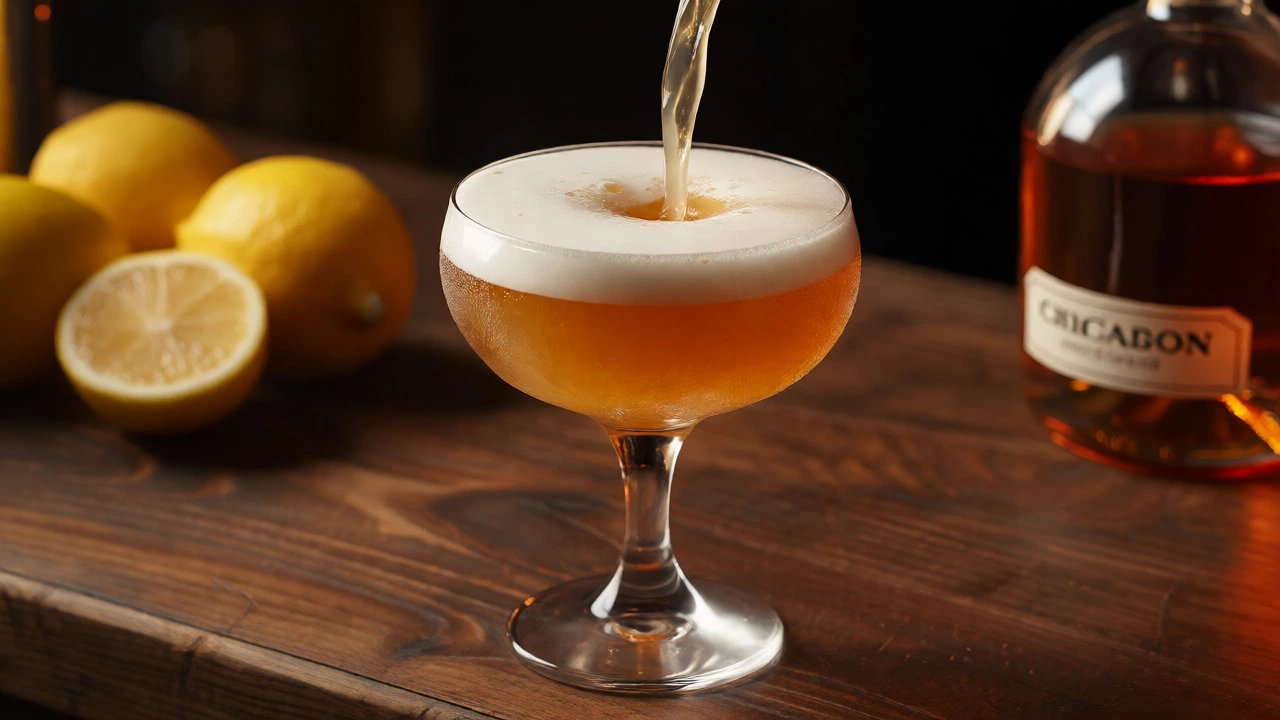
You know that feeling when you order a classic Whiskey Sour at a bar, and it tastes like someone just poured lemon juice into cheap bourbon? It’s flat. It’s sharp. It lacks soul. Now, imagine a version of that drink that actually works-where the acidity balances the spirit perfectly, where the texture is silky, and where the finish leaves you wanting another sip instead of reaching for water. That’s the Chicago Sour. This isn't just a regional nickname; it's a specific style of preparation that leans heavily on quality ingredients and proper technique to elevate a simple three-ingredient drink into something memorable.
Why bother with a "Chicago" sour when you can make a standard one? Because context matters. In many places, "sour" implies a pre-made mix loaded with sugar and preservatives. The Chicago approach strips that away. It demands fresh citrus, real egg white (or aquafaba), and a well-balanced sweetener. If you’re looking to impress guests or just treat yourself after a long week, mastering this drink is a low-effort, high-reward move. Let’s break down exactly how to build it, why each ingredient matters, and how to avoid the common pitfalls that turn great cocktails into kitchen experiments gone wrong.
What Exactly Is a Chicago Sour?
Before we start shaking, let’s define what we’re making. A Chicago Sour is a variation of the traditional Whiskey Sour that emphasizes balance and freshness over sweetness. Unlike the New Orleans Sazerac or the Boston Sidecar, the Chicago Sour doesn’t have a single codified rulebook from a 19th-century bartender. Instead, it represents a modern craft cocktail philosophy popularized in bars across the Midwest and beyond. It typically features Bourbon, fresh lemon juice, simple syrup, and an egg white for foam.
The key differentiator here is the ratio. Many home bartenders use too much syrup, masking the whiskey’s character. The Chicago style often uses a slightly drier profile, allowing the oak and vanilla notes of the bourbon to shine through the tartness. Think of it as the bridge between a sharp Daiquiri and a robust Old Fashioned. It’s crisp, creamy, and dangerously easy to drink.
Gathering Your Ingredients: Quality Matters
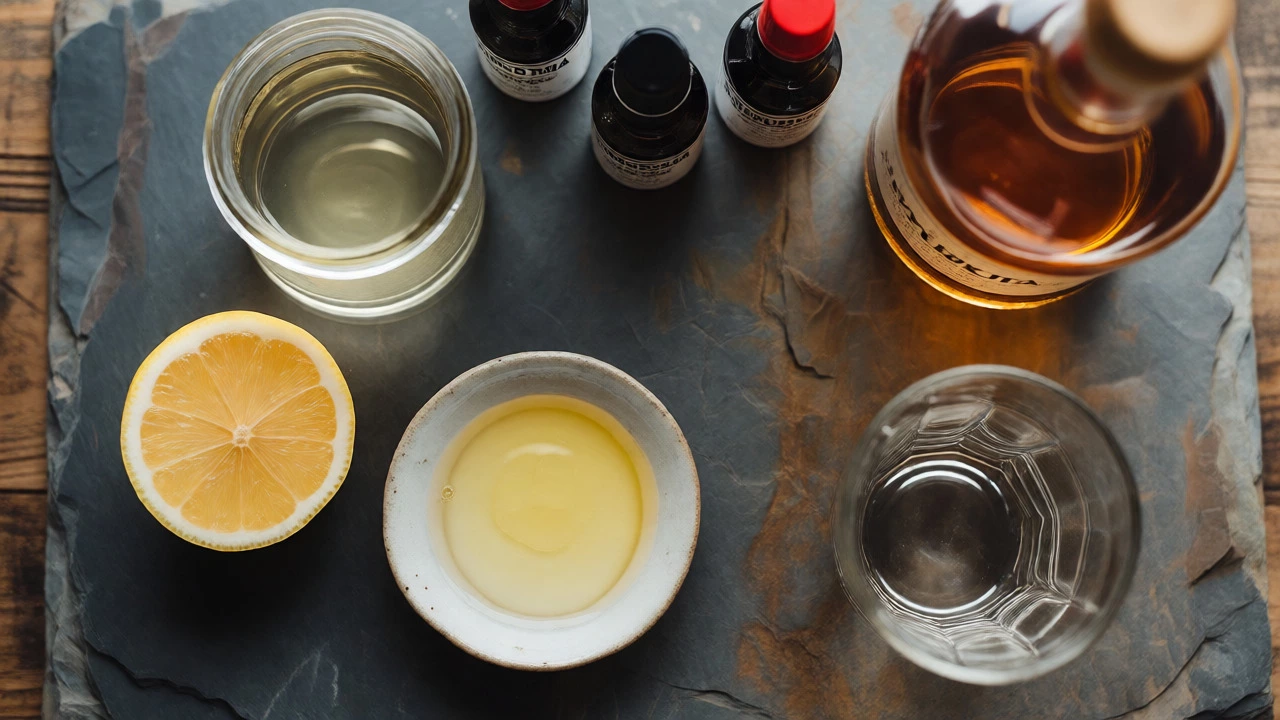
You can’t hide bad ingredients in a sour cocktail. There’s no cola to mask off-flavors, no heavy cream to smooth out rough edges. What goes in the shaker is exactly what comes out. Here’s what you need:
- Bourbon: You don’t need a $100 bottle, but avoid bottom-shelf harshness. Look for a mid-range bourbon with balanced caramel and spice notes. Brands like Maker’s Mark or Buffalo Trace work well because they aren’t overly aggressive.
- Fresh Lemon Juice: Bottled juice is acidic in a chemical way. Fresh lemons provide natural oils and a brighter acidity. Always squeeze your own. If you’re lazy, buy bottled lemon juice only if it’s explicitly labeled "no added sugar."
- Simple Syrup: Don’t dump granulated sugar into cold liquid-it won’t dissolve. Make simple syrup by mixing equal parts hot water and sugar until clear. For a richer mouthfeel, some bars use demerara syrup, which adds a subtle molasses note.
- Egg White: This creates the signature foam. If you’re vegan or worried about salmonella, use aquafaba (the liquid from canned chickpeas). It whips up just as well and has a neutral taste.
- Aromatic Bitters: Angostura bitters are standard, but orange bitters can add complexity. This is optional but recommended for depth.
The Recipe: Step-by-Step Instructions
Making a Chicago Sour is all about the dry shake. Most people skip this step and end up with thin, bubbly foam that disappears in seconds. The dry shake emulsifies the egg white before ice hits it, creating a dense, stable head.
- Add Ingredients to Shaker: Pour 2 oz of bourbon, 0.75 oz of fresh lemon juice, and 0.5 oz of simple syrup into a cocktail shaker. Add one egg white (about 0.5 oz).
- Dry Shake: Seal the shaker tightly. Shake vigorously without ice for 15-20 seconds. You’ll feel the resistance change as the egg whites break down and aerate. This step is non-negotiable for good foam.
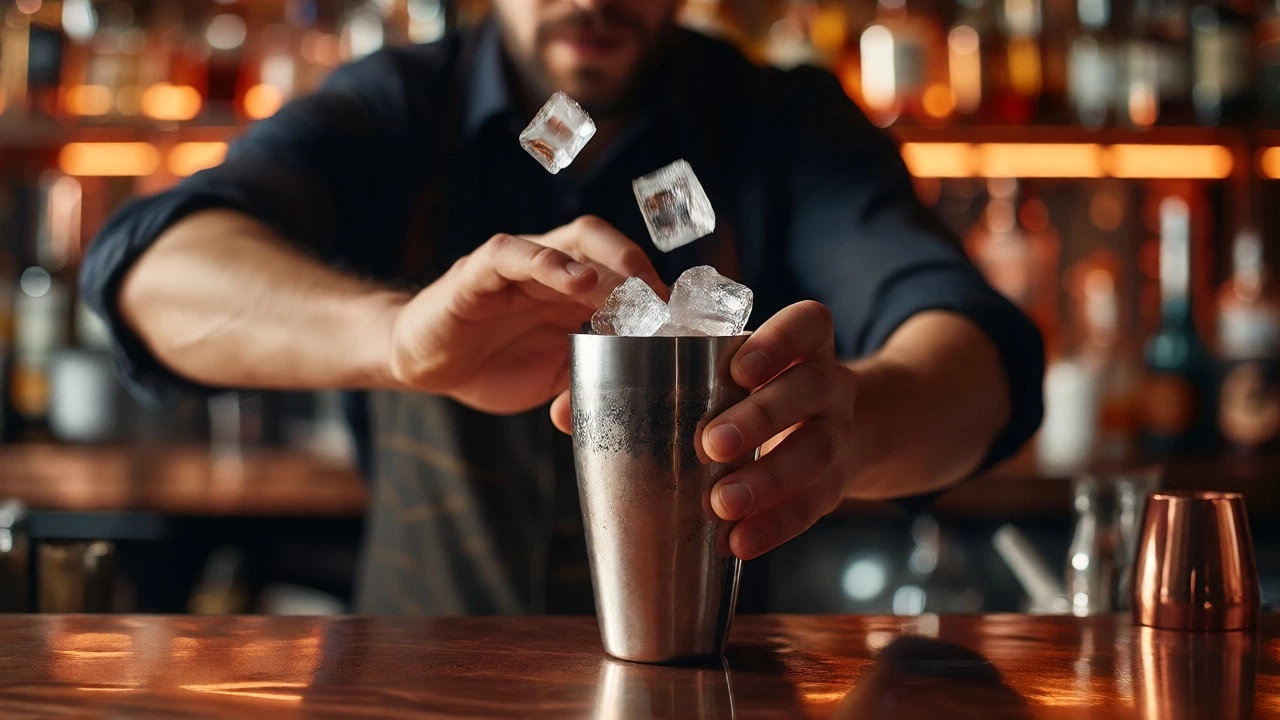
- Add Ice: Open the shaker, fill it halfway with large ice cubes. Large ice melts slower, keeping the drink cold without diluting it too quickly.
- Wet Shake: Seal again and shake hard for another 15 seconds. You want the outside of the shaker to frost over. This chills the drink rapidly.
- Strain: Double strain into a chilled rocks glass or coupe. Use a fine-mesh strainer to catch ice shards and any unincorporated egg bits. This ensures a silky texture.
- Garnish: Drop 3 dashes of Angostura bitters onto the foam. Swirl them gently with a toothpick to create a pattern. Garnish with a lemon peel or a cherry if you prefer.
Common Mistakes and How to Fix Them
Even experienced drinkers mess up sours. Here’s what usually goes wrong:
| Problem | Cause | Fix |
|---|---|---|
| No Foam | Skiped dry shake or old eggs | Always dry shake first; use fresher eggs |
| Too Sweet | Overpouring syrup | Reduce syrup to 0.25 oz or use drier bourbon |
| Watery Drink | Small ice or over-shaking | Use larger ice cubes; limit wet shake to 15 sec |
| Egg Smell | Under-whisked egg white | Shake longer during dry phase; ensure freshness |
If your drink tastes flat, check your lemon juice. Lemons vary in acidity. Some are sweeter, some are sharper. Taste your lemon before measuring. If it’s mild, you might need less syrup. If it’s intense, you might need a splash more water or syrup to balance it. Bartending is cooking; adjust to taste.
Variations: Making It Your Own
Once you’ve nailed the base, play around. The Chicago Sour is a template, not a prison sentence.
- Spicy Kick: Muddle two slices of jalapeño in the shaker before adding liquids. The heat pairs beautifully with bourbon’s sweetness.
- Herbal Twist: Add three basil leaves during the dry shake. Basil brings a fresh, peppery note that cuts through the richness.
- Rye Swap: Replace bourbon with rye whiskey. Rye is spicier and drier, making the cocktail more assertive. Great for people who find bourbon too sweet.
- Smoky Finish: Rinse the glass with Laphroaig Scotch before pouring. The smoke lingers on the nose without overpowering the palate.
These tweaks keep the drink interesting. You’re not reinventing the wheel; you’re adding new spokes. Start with the classic, then experiment once you understand how the base flavors interact.
Pairing Food with Your Chicago Sour
This cocktail is versatile with food. Its acidity cuts through fat, while its sweetness complements salt. Try pairing it with:
- Barbecue Ribs: The char and smoke match the bourbon; the lemon cleanses the palate between bites.
- Fried Chicken: Classic comfort food meets classic comfort drink. The crunch and the foam contrast nicely.
- Dark Chocolate Desserts: Surprisingly, the tartness highlights cocoa notes better than wine sometimes.
Avoid pairing with delicate fish or salads. The bourbon’s weight will overwhelm lighter dishes. Stick to hearty, flavorful meals.
Final Thoughts: Why This Drink Endures
The Chicago Sour survives because it respects simplicity. It doesn’t rely on obscure liqueurs or expensive garnishes. It relies on technique and respect for ingredients. When you make one correctly, you get a drink that feels crafted, not manufactured. It’s refreshing enough for summer nights but substantial enough for winter evenings.
So next time you’re tempted by a pre-mixed sour packet, pause. Buy a lemon. Crack an egg. Shake it properly. You’ll taste the difference immediately. And honestly, once you’ve had a well-made Chicago Sour, going back to the sugary alternatives feels like a downgrade.
Do I really need an egg white?
You don't strictly *need* it, but it changes the drink entirely. Without it, you have a Whiskey Daisie, which is thinner and sharper. The egg white adds texture and rounds out the acidity. If you're allergic or vegan, use aquafaba-it works nearly identically.
Can I use lime instead of lemon?
Yes, but it shifts the flavor profile closer to a Daiquiri. Lime is more aromatic and bitter-sweet. If you swap, reduce the syrup slightly because lime juice is often perceived as sharper. Bourbon and lime are a classic combo, so don't be afraid to try it.
What is the best bourbon for a Chicago Sour?
Mid-range bourbons with 40-45% ABV are ideal. Too low (like some flavored bourbons) makes it cloying; too high (barrel proof) can overwhelm the other ingredients. Look for notes of vanilla, caramel, and oak. Avoid heavily peated or smoked bourbons unless you want a very specific smoky profile.
Is the Chicago Sour strong?
It's moderately strong. With 2 oz of 40% ABV bourbon diluted by juice and ice, it sits around 15-18% ABV. It drinks easier than it is, so pace yourself. The foam masks the alcohol burn, making it deceptive.
How do I store leftover simple syrup?
Keep it in a sealed jar in the refrigerator. It lasts about a month. If it gets cloudy or smells fermented, throw it out. You can also freeze it in ice cube trays for instant chilling without dilution.