
White Wine & Cheese Pairing Finder
Select a cheese type below to discover the ideal white wine companion and learn why it works.
Fresh & Soft
Goat, Feta, Mozzarella
Creamy & Bloomy
Brie, Camembert, Triple Crème
Hard & Aged
Parmesan, Gruyère, Cheddar
Blue & Pungent
Roquefort, Gorgonzola, Stilton
Click a cheese category above to see recommendations.
Pro Tip:
Temperature matters! Serve whites chilled (8–10°C / 46–50°F) but not frozen. Let cheese sit out for 30 minutes before serving to release its full aroma. Trust your palate—rules are guides, not laws.
You’ve probably heard the old rule: red wine goes with cheese. But if you’ve ever tried a bold Cabernet Sauvignon with a delicate Brie, you know it can taste like chewing on wet cardboard. The tannins in reds clash with the fat and salt, leaving your mouth feeling dry and bitter. Here’s the secret most people miss: White wine is actually the better partner for most cheeses. Its higher acidity cuts through richness, and its lack of tannins lets the flavors shine instead of fighting each other. Whether you’re hosting a dinner party or just want to upgrade your Friday night snack, knowing what white wine with cheese works best transforms the experience from okay to unforgettable.
Why White Wine Works Better Than Red
Think about why we eat pickles with fatty foods. It’s not just for flavor; it’s about balance. White wines naturally have higher acidity than reds. This acidity acts like a palate cleanser. When you eat a piece of creamy Camembert, the fat coats your tongue. A sip of crisp Sauvignon Blanc slices through that coating, resetting your taste buds so the next bite tastes just as good as the first. Reds, on the other hand, rely on tannins-the compounds that make your mouth pucker. While tannins work well with protein-heavy meats, they often react poorly with dairy fat, creating a metallic or overly bitter sensation.
There are exceptions, sure. A very sharp, aged cheddar might stand up to a lighter red. But for the vast majority of cheeses-especially soft, creamy, and washed-rind styles-white wine is the safer, more delicious bet. It complements rather than competes. If you’re unsure where to start, grab a bottle of dry white. You’re already halfway to a great pairing.
Crisp Whites for Fresh and Soft Cheeses
If you love fresh goat cheese (chèvre), feta, or young mozzarella, you need a wine with zip and brightness. These cheeses are tangy, light, and often salty. They disappear under heavy wines. Instead, look for high-acid whites that mirror their freshness.
Sauvignon Blanc is the classic choice here. Its herbal, citrusy notes pair beautifully with the grassy, tangy profile of goat cheese. In fact, this combination is so reliable it’s considered a textbook example. Try a Sancerre from the Loire Valley in France or a Marlborough Sauvignon Blanc from New Zealand. Both offer the crispness needed to lift the cheese without overwhelming it.
Other excellent options include Albariño, Grüner Veltliner, and Pinot Grigio. These wines are light-bodied but punchy in acidity. They work wonders with soft cow’s milk cheeses like young Gouda or Havarti. The key is matching intensity: light cheese needs light wine. If you pour a heavy, oaked Chardonnay over fresh feta, the wine will dominate, and you’ll lose the delicate flavor of the cheese entirely.
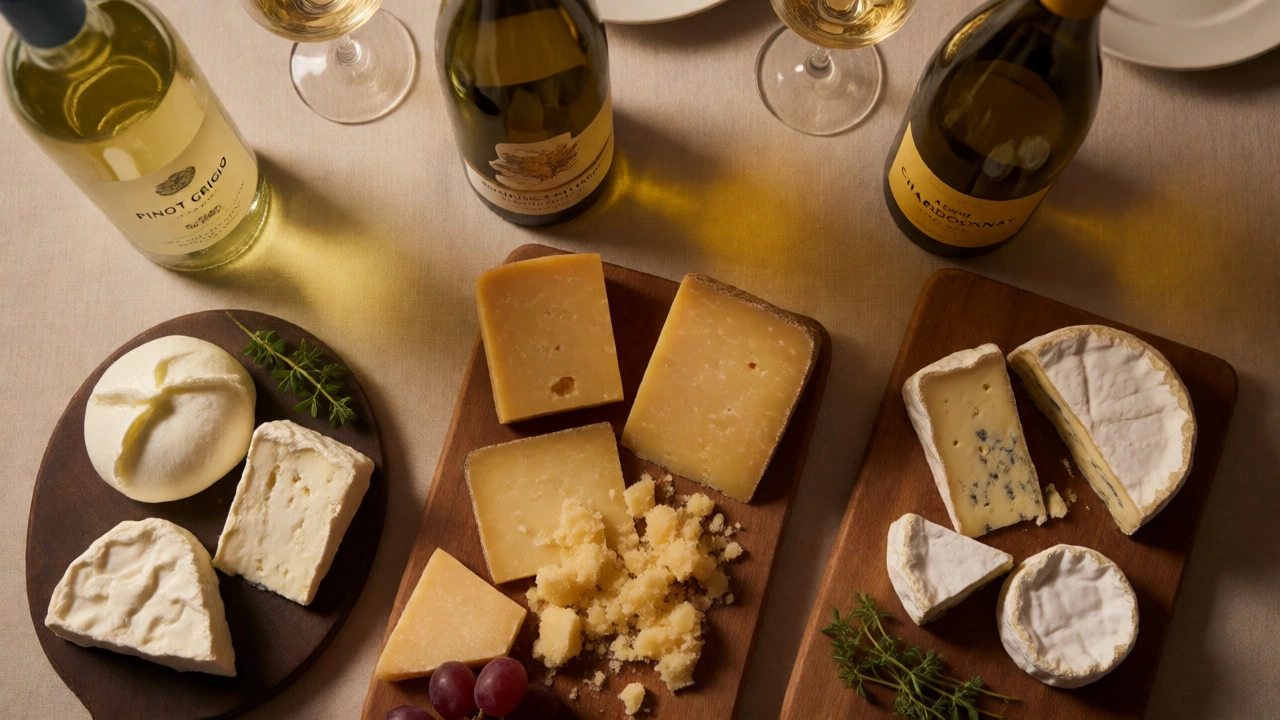
Aromatic Whites for Pungent and Salty Cheeses
Not all cheeses are mild. Some are pungent, spicy, or intensely savory. Think Parmesan, Gruyère, or sharp aged cheddar. These cheeses have complex flavors that need a wine with similar complexity. This is where aromatic whites come into play.
Gewürztraminer is a powerhouse here. It has lower acidity than Riesling but offers intense floral and lychee aromas. These strong scents stand up to the nutty, salty depth of Parmesan or Morbier. If you’re serving a hard, aged cheese, Gewürztraminer provides enough body and flavor intensity to match it step-for-step.
Riesling is another versatile option, especially if you choose an off-dry style. The slight sweetness in the wine balances the saltiness of the cheese, while the acidity keeps things fresh. This works particularly well with Alpine-style cheeses like Emmental or Comté. The sugar doesn’t make the pairing feel like dessert; it rounds out the sharp edges of the cheese, creating a harmonious blend of sweet and savory.
Rich Whites for Creamy and Bloomy Rinds
Brie and Camembert are the kings of creamy cheese. Their bloomy rinds add earthy, mushroom-like flavors, while the interior is rich and buttery. These cheeses need a wine with body and texture. A thin, watery wine will vanish against their creaminess.
This is where Chardonnay shines. An oaked Chardonnay, with its notes of vanilla, toast, and butter, mirrors the richness of aged Brie. The oak adds a layer of complexity that matches the earthy rind. If you prefer a cleaner taste, go for an unoaked Chardonnay from Chablis. Its mineral-driven profile highlights the tangy center of the cheese without adding competing flavors.
For double or triple creams-like Brillat-Savarin-you might even consider sparkling wine. Champagne’s bubbles act as a scrubber for the palate, cutting through extreme fat. Marc Almert, World’s Best Sommelier 2019, famously recommends Blanc de Blancs Champagne with creamy cow’s milk cheeses. It’s a luxurious pairing that feels indulgent but remains balanced.
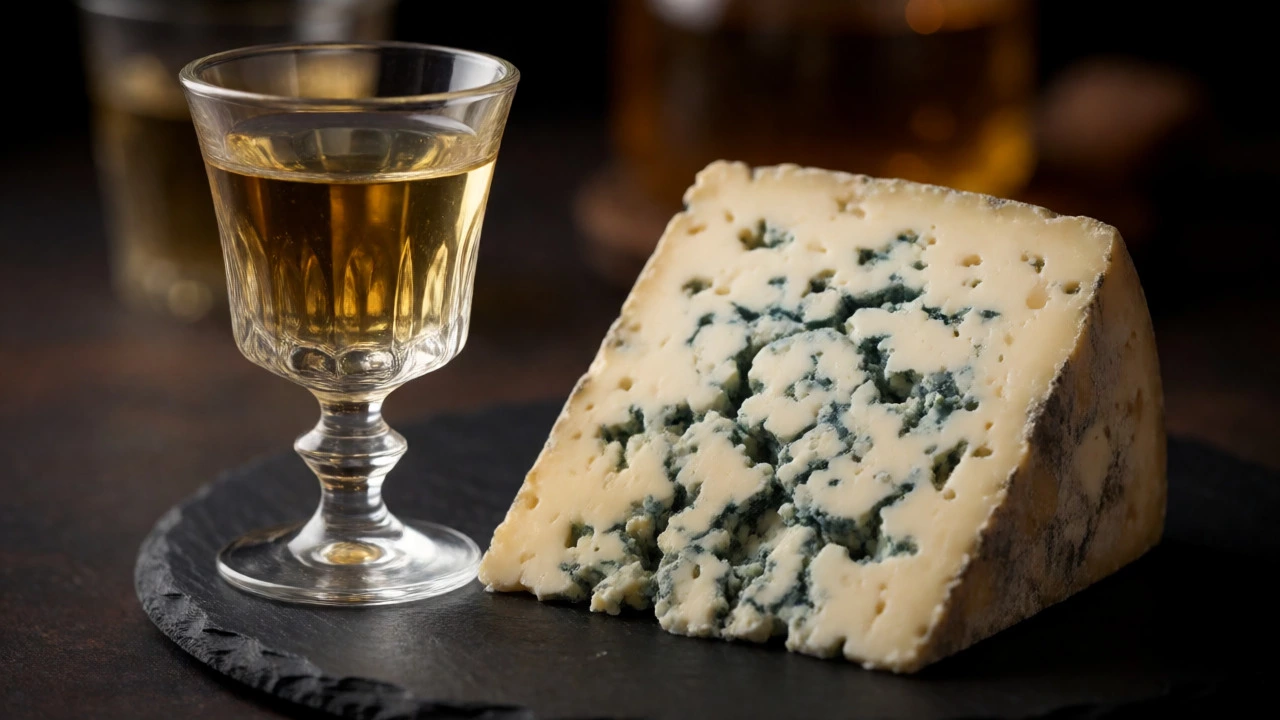
Sweet Whites for Blue Cheese
Blue cheese is the outlier. Its mold veins create a sharp, salty, and sometimes metallic flavor that many wines struggle to handle. Dry whites can taste flat or sour against blue cheese. The solution? Sweetness.
Pair blue cheese with a sweet white wine like Moscato, Sauternes, or a late-harvest Riesling. The sugar in the wine contrasts with the salt in the cheese, creating a dynamic tension that excites the palate. This is why fruit preserves are often served with blue cheese-it’s the same principle. The sweetness softens the pungency, allowing the creamy texture to shine. If you’re not into dessert wines, try a semi-sweet Chenin Blanc. It offers enough residual sugar to tame the salt without being cloying.
| Cheese Type | Best White Wine | Why It Works |
|---|---|---|
| Fresh Goat / Feta | Sauvignon Blanc | Acidity matches tang; herbs complement grassy notes |
| Brie / Camembert | Oaked Chardonnay | Buttery/oaky flavors mirror creaminess; body matches texture |
| Parmesan / Gruyère | Gewürztraminer | Aromatics stand up to nutty/salty intensity |
| Blue Cheese | Moscato / Sauternes | Sweetness balances salt and pungency |
| Young Gouda / Havarti | Pinot Grigio / Albariño | Light acidity refreshes palate without overpowering |
Practical Tips for Building Your Board
Don’t overcomplicate it. You don’t need ten bottles of wine. Start with three: one crisp (like Sauvignon Blanc), one rich (like Chardonnay), and one sweet (like Moscato). This covers the main bases: fresh, creamy, and salty cheeses.
Temperature matters. Serve white wines chilled, but not frozen. Around 8-10°C (46-50°F) is ideal. If the wine is too cold, you mask its flavors. If it’s too warm, the alcohol becomes prominent and the acidity feels flat. For cheese, take it out of the fridge 30 minutes before serving. Cold cheese numbs your taste buds, making it harder to appreciate the nuances of the pairing.
Finally, trust your palate. Rules are helpful guides, not laws. If you love a specific combination that “shouldn’t” work, stick with it. Food and drink are personal. The best pairing is the one that makes you smile.
Can I drink red wine with any cheese?
Yes, but it’s trickier. Red wine pairs best with hard, aged cheeses like mature Cheddar, Manchego, or aged Gouda. The tannins in reds bind with proteins and fats, which can work well with dense, low-moisture cheeses. Avoid pairing reds with soft, creamy cheeses like Brie or fresh goat cheese, as the tannins often clash with the dairy fat, creating a bitter aftertaste.
Does sparkling wine count as white wine for cheese pairings?
Absolutely. Sparkling wines like Champagne, Prosecco, and Cava are technically white wines (or rosés) and are exceptional partners for cheese. Their high acidity and carbonation cut through fat effectively, making them perfect for creamy cheeses like Mascarpone, Brillat-Savarin, or aged Camembert. They also cleanse the palate between bites, enhancing the overall tasting experience.
What is the easiest white wine to serve with a mixed cheese board?
If you have a variety of cheeses and only want to open one bottle, choose a dry Riesling or a lightly oaked Chardonnay. Riesling’s acidity and potential slight sweetness allow it to bridge the gap between fresh and salty cheeses. Chardonnay’s body handles creamy textures, while its acidity prevents it from feeling too heavy. Both are versatile enough to please most palates without clashing with specific cheese types.
Why does sweet wine go with blue cheese?
It’s all about contrast. Blue cheese is intensely salty and pungent. Dry wines can taste thin or sour against such strong flavors. Sweet wines provide a counterpoint; the sugar masks the harshness of the salt and mold, while the acidity keeps the pairing from becoming cloying. This balance allows the creamy texture of the cheese to be appreciated rather than overwhelmed by its sharpness.
Should I match wines and cheeses from the same region?
This is a great heuristic. Wines and cheeses from the same area have evolved together over centuries, sharing local terroir influences. For example, French Chèvre goes naturally with French Sauvignon Blanc, and Italian Parmigiano-Reggiano pairs well with Italian Pinot Grigio or Lambrusco. While not a strict rule, regional matching is a reliable shortcut for finding harmonious combinations when you’re unsure.