No. 3 Gin Knowledge Challenge
Loading question...
Question 1 of 5
Challenge Complete!
You're a gin enthusiast!
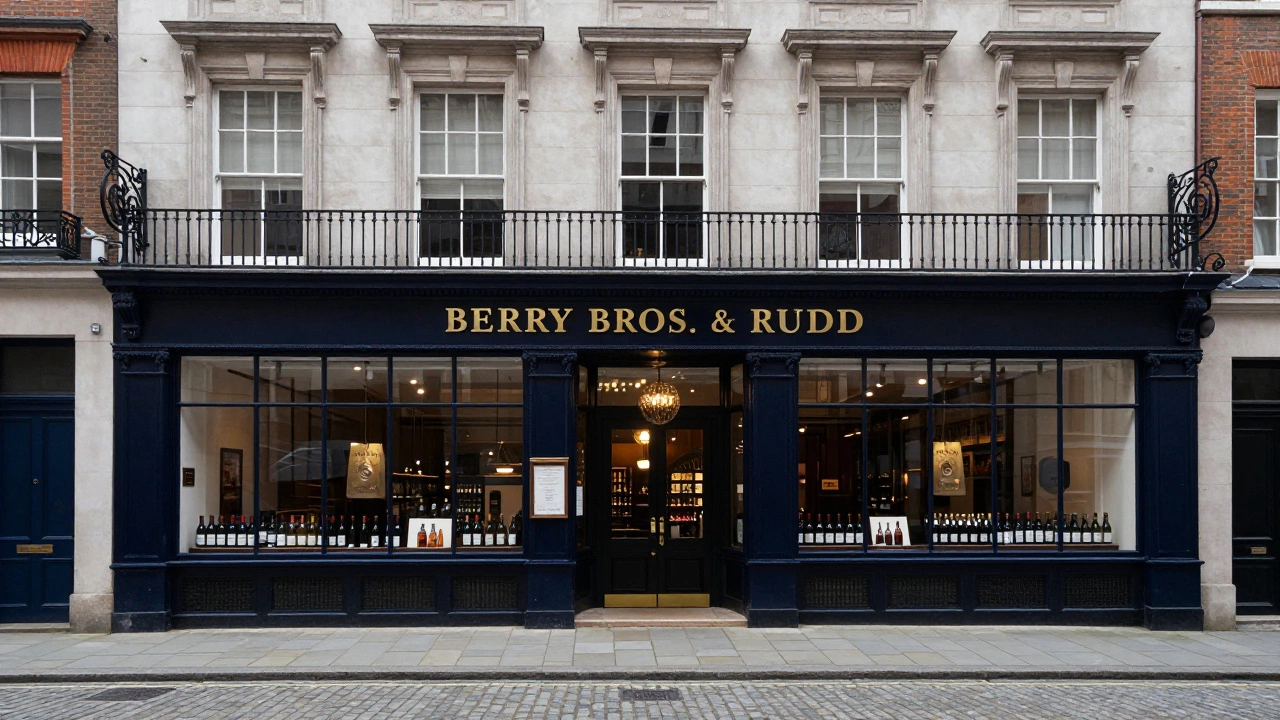
If you've spent any time sipping a martini, you probably know that No. 3 Gin is a high-end London Dry Gin created by the legendary wine and spirit merchants Berry Bros. & Rudd . The name, the branding, and the headquarters are all rooted in the heart of London. But if you're planning a road trip to see where the magic happens, you might be surprised to find that there is no distillery at 3 St James's Street. In fact, if you want to see the stills, you'll need a passport.
The Surprise Location: Holland, Not London
It's a common mistake to assume that "London Dry" means the gin is distilled within the city limits of London. In reality, it refers to a specific style of production. While the brand is managed by Berry Bros. & Rudd is a historic British wine and spirit merchant founded in 1698 , the actual liquid is crafted across the channel. No. 3 Gin is produced at the De Kuyper Royal Distillers is a renowned distillery facility located in Holland, Netherlands .
Why the move? When the team at Berry Bros. & Rudd started developing the gin in 2008, they didn't just want any spirit; they wanted the perfect base for a martini. After two years of research and collaboration with mixologists, they found that the facility in Holland offered the exact technical capabilities and heritage they needed. Interestingly, De Kuyper Royal Distillers has a history dating back to 1695, making the distillery slightly older than the merchants who created the brand.
The Secret to the Flavor: A 100-Year-Old Still
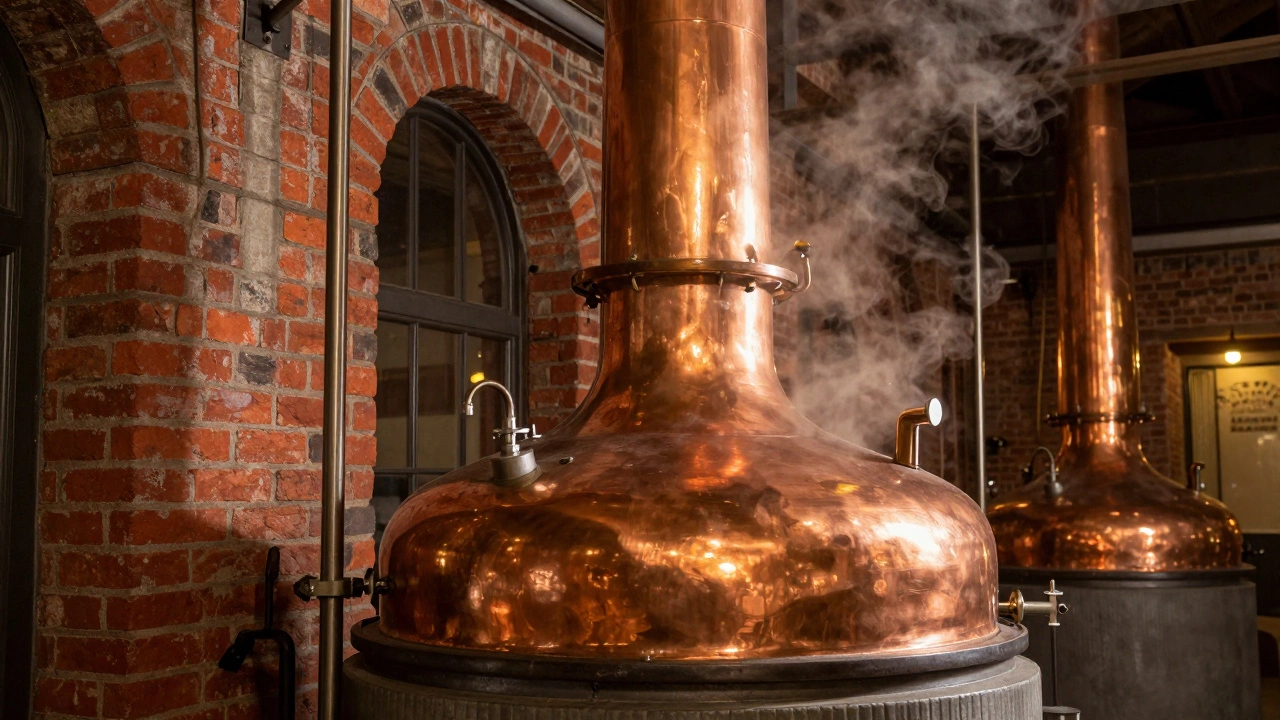
The reason this specific location in Holland is so vital comes down to the equipment. No. 3 Gin isn't made in modern, sterile stainless steel columns. Instead, it relies on a century-old, brick-encased copper pot still. This traditional method allows for a level of flavor control and character that you just can't get with industrial-scale production.
The process is incredibly disciplined. They start with a neutral French winter wheat spirit, which provides a cleaner, softer foundation than the grain spirits used in many other gins. From there, they steep six specific botanicals for exactly 16 hours: juniper, coriander, cardamom, angelica root, and both orange and grapefruit peels. After the steeping, the mixture undergoes a seven-hour distillation process.
To ensure the quality remains consistent, the "heart" of the distillate-the most flavorful part-goes through triple verification. It is then proofed down to a precise 46% alcohol by volume (ABV), creating that crisp, refreshing profile that has won the brand "Best Gin in the World" multiple times at the International Spirits Challenge.
| Attribute | Value / Detail |
|---|---|
| Base Spirit | Neutral French winter wheat spirit |
| Botanical Count | 6 (Juniper, Coriander, Cardamom, Angelica, Orange & Grapefruit peels) |
| Steeping Duration | 16 Hours |
| Distillation Time | 7 Hours |
| Final ABV | 46% |
| Distillation Vessel | 100-year-old brick-encased copper pot still |
From the Distillery to 3 St James's Street
Even though the liquid comes from Holland, the soul of the brand remains in London. The name "No. 3" isn't a batch number or a recipe version; it's the street address of the Berry Bros. & Rudd headquarters. Visiting 3 St James's Street is more about the experience of a traditional wine merchant than a factory tour. It's where the vision for the gin was born and where the final product is curated for the world.
The brand's commitment to quality isn't just in the liquid, but in the presentation. In 2019, the bottle underwent a major redesign by the firm Stranger & Stranger. This wasn't just for aesthetics; the new packaging focuses on being entirely recyclable, aligning the brand with modern green credentials without sacrificing the luxury feel of the product.
How to Taste No. 3 Gin Like a Pro
Since this gin was specifically designed for martinis and gin and tonics, the flavor profile is balanced to cut through other ingredients. You'll notice three primary pillars: juniper, citrus, and spice. Because it sits at 46% ABV, it has more "backbone" than many supermarket gins, meaning the juniper flavor doesn't disappear when you add ice or tonic.
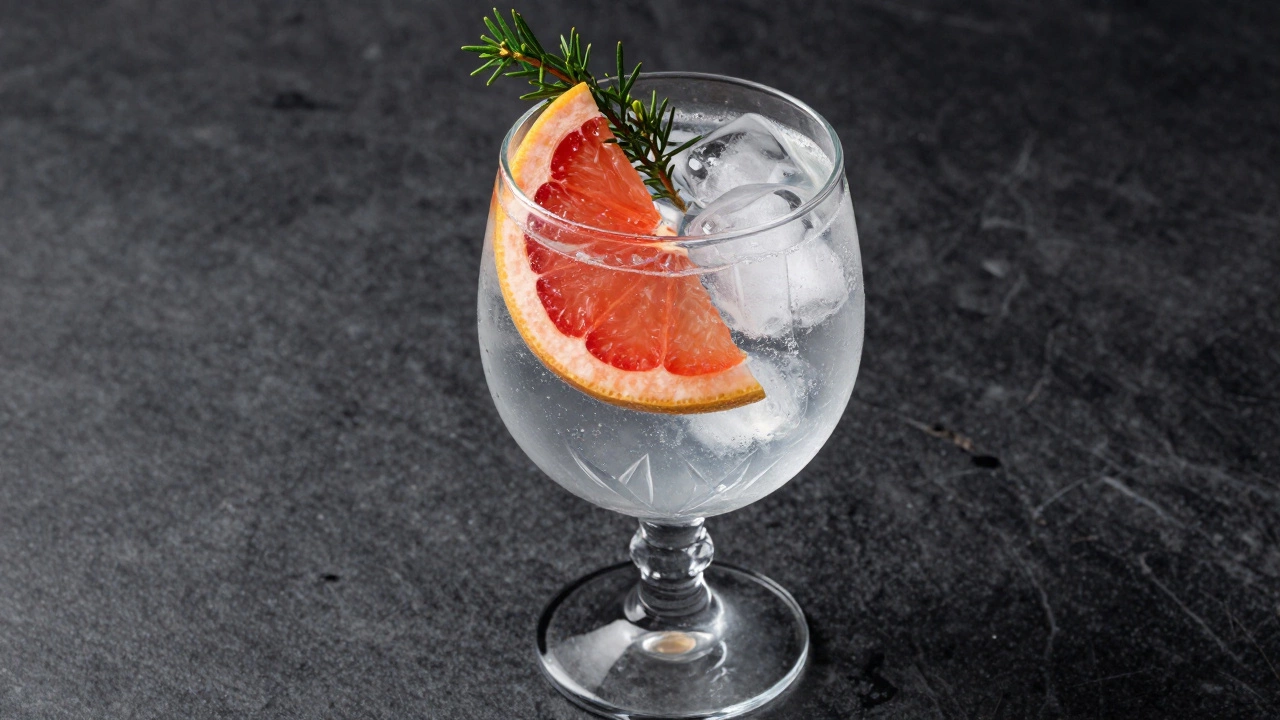
If you're trying it for the first time, start with a classic G&T using a premium tonic and a slice of grapefruit to echo the botanicals used in the distillation. For those who prefer a martini, a simple 5:1 ratio of gin to dry vermouth allows the French wheat spirit's smoothness to shine through.
Is No. 3 Gin actually made in London?
No. While it is a "London Dry Gin" (a style of gin) and is owned by the London-based Berry Bros. & Rudd, it is actually distilled at the De Kuyper Royal Distillers facility in Holland, Netherlands.
Why is it called No. 3 Gin?
The name comes from the street address of Berry Bros. & Rudd's headquarters, located at 3 St James's Street in London.
What makes the distillation process unique?
It uses a 100-year-old brick-encased copper pot still. The process involves steeping six botanicals for 16 hours and distilling for seven hours, followed by triple verification of the distillate heart.
What is the alcohol percentage of No. 3 Gin?
No. 3 Gin is proofed down to 46% alcohol by volume (ABV), which helps maintain its bold flavor profile in cocktails.
Can I visit the distillery?
Since the production takes place at De Kuyper Royal Distillers in Holland, you would need to visit the Netherlands to see the production facility. The London address is a retail and merchant location, not a distillery.
Next Steps for Gin Enthusiasts
If you enjoy the crisp, juniper-forward nature of No. 3 Gin, you might want to explore other styles of traditional pot-still gins. Compare this to a "contemporary gin" which often uses more exotic botanicals like cucumber or lemongrass. You'll find that the heavy juniper focus of the London Dry style is what makes No. 3 so versatile for cocktails.
For those looking to dive deeper, try experimenting with different tonics. A Mediterranean tonic with hints of rosemary often pairs beautifully with the cardamom and citrus notes found in No. 3. If you're in London, a visit to 3 St James's Street is still a must-even if the stills are in Holland, the history of the wine and spirit trade is palpable in those walls.