
Tea Sensitivity Checker
Select the symptoms you experience after drinking tea to find out the likely cause.
How to Fix It
You pour yourself a nice cup of Earl Grey or a fresh pot of green tea, expecting that warm, cozy feeling. Instead, ten minutes later, your heart is racing, your hands are shaking, and you feel a wave of nausea rolling through your stomach. You might even feel dizzy or anxious for no apparent reason. If this sounds familiar, you are not alone. This phenomenon has a nickname: "tea drunk."
It’s confusing because tea is often seen as the gentle alternative to coffee. But if you’ve ever felt worse after drinking it, there is a solid biological explanation. It usually comes down to three main culprits: caffeine sensitivity, tannins irritating your stomach lining, or the specific way your body processes compounds like L-theanine. Let’s break down why this happens and how you can keep enjoying tea without the side effects.
The Caffeine Factor: It’s Not Just Coffee
Most people assume that if they can handle a latte, they can handle any amount of tea. That’s a dangerous assumption. While tea generally has less caffeine than coffee, the way it hits your system can be different-and sometimes more jarring for sensitive individuals.
A standard cup of Green tea is a popular beverage made from Camellia sinensis leaves known for its high antioxidant content and moderate caffeine levels. typically contains between 30 and 50 milligrams of caffeine. Black tea can have slightly more. For most people, this is negligible. But for those with genetic variations in how their liver breaks down caffeine-specifically related to the CYP1A2 enzyme is a liver enzyme responsible for metabolizing caffeine and other drugs in the human body.-even small amounts can linger in the bloodstream longer than expected.
If you are a "slow metabolizer," that 40mg of caffeine stays active in your system much longer. This leads to overstimulation of the central nervous system. The result? Rapid heartbeat, anxiety, restlessness, and that jittery, "wired but tired" sensation. Research indicates that people with specific variants in the ADORA2A gene are particularly prone to anxiety and insomnia from caffeine, even in low doses. So, when you feel weird, it might just be your genetics reacting to the stimulant.
Tannins: The Silent Stomach Irritant
If your primary symptom is nausea, queasiness, or an empty, cramping feeling in your gut, the blame likely falls on Tannins are complex polyphenolic compounds found in tea leaves that provide bitterness and astringency.. These are the same compounds that give red wine its dry mouthfeel and make unripe fruit taste puckeringly sour.
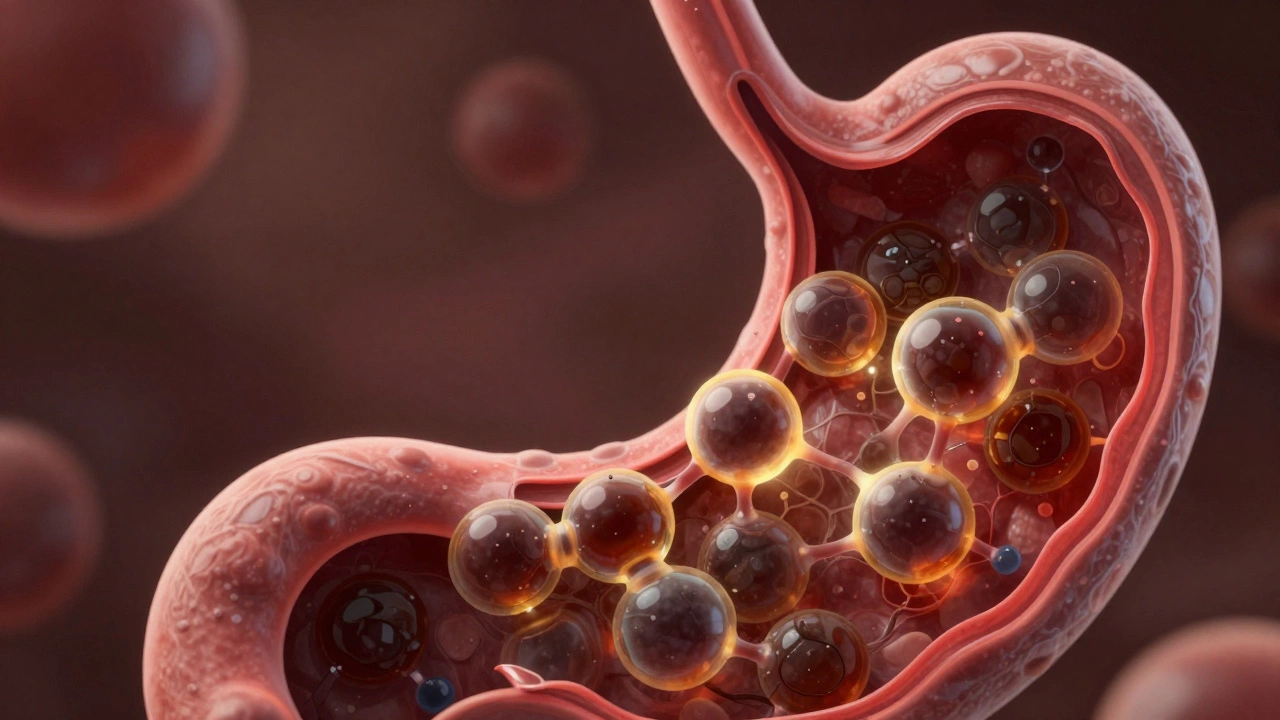
Tannins are astringent. They bind to proteins and other compounds in your digestive tract. When you drink tea on an empty stomach, these tannins interact directly with the mucous membrane lining your stomach. This interaction increases stomach acidity and can irritate the lining, triggering nausea. This is why many people report feeling sick after drinking strong black tea first thing in the morning before breakfast.
Black tea generally has higher tannin levels than white or green tea, making it a common culprit. However, over-brewing any type of tea releases more tannins into the water. If you let your tea steep for five minutes instead of two, you aren’t just getting a stronger flavor; you’re concentrating the compounds that irritate your stomach. For people with sensitive stomachs or conditions like gastritis, this irritation can be intense enough to cause vomiting or significant discomfort.
The Empty Stomach Effect
Drinking tea on an empty stomach amplifies both the caffeine and tannin issues. Without food to buffer the acidity and absorb some of the compounds, everything hits your system faster and harder.
When caffeine enters an empty stomach, it stimulates the production of gastric acid. Combined with the astringent effect of tannins, this creates a perfect storm for digestive distress. Many people who feel "tea drunk" find that eating a small snack-like a piece of toast or a few crackers-before or while drinking tea completely eliminates the symptoms. Food slows down the absorption of caffeine and coats the stomach lining, protecting it from tannin irritation.
L-Theanine: The Calming Compound That Can Backfire
Tea contains a unique amino acid called L-theanine is an amino acid found primarily in tea leaves that promotes relaxation without drowsiness by increasing alpha brain waves.. In theory, L-theanine is great for you. It crosses the blood-brain barrier and increases levels of happy neurotransmitters like serotonin, dopamine, and GABA. It’s supposed to counteract the jitters of caffeine, creating a state of "calm alertness."
However, biology isn’t always straightforward. For some individuals, the combination of caffeine and L-theanine doesn’t create balance; it creates confusion in the nervous system. If you are highly sensitive to stimulants, the presence of L-theanine might alter how your brain perceives the caffeine spike. Instead of a smooth lift, you might experience a sudden shift in mood, dizziness, or a strange sense of detachment. This is less about toxicity and more about individual neurochemistry. Your brain chemistry reacts differently to the blend of stimulants and relaxants found in tea compared to the pure stimulant hit of coffee.
Blood Sugar Drops and Dizziness
Another lesser-known reason for feeling weird after tea is a drop in blood sugar. Caffeine can affect insulin sensitivity and glucose metabolism in some people. If you drink strong tea without food, the combination of caffeine-induced adrenaline release and lack of incoming calories can lead to mild hypoglycemia (low blood sugar).
Symptoms of low blood sugar include dizziness, lightheadedness, trembling, and weakness. This mimics the feeling of being "drunk" or faint. If you’ve ever stood up too quickly after drinking tea and felt the room spin, this could be the cause. Adding a bit of milk or sugar, or simply eating a meal alongside your tea, stabilizes blood sugar levels and prevents this crash.

How to Stop Feeling Weird After Tea
You don’t have to give up tea to avoid these symptoms. Small adjustments to your brewing and consumption habits can make a huge difference.
- Never drink strong tea on an empty stomach. Always pair your tea with food. Even a small bite helps buffer the tannins and slow caffeine absorption.
- Reduce steeping time. Over-steeping releases excessive tannins. Try steeping black tea for 2-3 minutes and green tea for 1-2 minutes. If it tastes bitter, it’s too long.
- Switch varieties. If black tea makes you nauseous, try White tea is the least processed type of tea, made from young buds and leaves, resulting in lower tannin and caffeine content.. It has significantly fewer tannins and less caffeine. Alternatively, try herbal teas like chamomile or peppermint, which are naturally caffeine-free and come from plants other than Camellia sinensis.
- Lower the temperature. Brewing green tea with boiling water can scorch the leaves and release harsher compounds. Use water around 80°C (175°F) for green tea to keep it smooth.
- Limit quantity. Stick to one or two cups a day until you understand your tolerance. Remember, caffeine accumulates. Three cups of green tea can equal one cup of coffee in total caffeine load.
When to See a Doctor
While feeling "tea drunk" is usually harmless and temporary, persistent symptoms warrant medical attention. If you experience severe palpitations, chest pain, or chronic nausea regardless of what you eat, consult a healthcare provider. It could indicate an underlying condition like gastritis, ulcers, or a heart rhythm issue exacerbated by caffeine. Additionally, if you are taking medications, check for interactions. Caffeine and tannins can interfere with the absorption of certain drugs, including iron supplements and some antidepressants.
What is "tea drunk"?
"Tea drunk" is a colloquial term for the uncomfortable physical sensations experienced after drinking tea, such as dizziness, nausea, trembling, anxiety, or rapid heartbeat. It is caused by a combination of caffeine sensitivity, tannin irritation, and individual metabolic differences.
Why does tea make me nauseous on an empty stomach?
Tannins in tea are astringent and increase stomach acidity. On an empty stomach, they irritate the stomach lining directly, leading to nausea. Caffeine also stimulates gastric acid production, worsening the effect.
Does green tea have less caffeine than coffee?
Yes, generally. A cup of green tea has 30-50 mg of caffeine, while a similar cup of coffee has 95-200 mg. However, multiple cups of green tea can add up to coffee-equivalent levels, which may still trigger symptoms in sensitive individuals.
Can L-theanine cause anxiety?
L-theanine itself is calming, but in combination with caffeine, it can alter neurological responses. In rare cases, highly sensitive individuals may experience dizziness or unusual anxiety due to the complex interaction between L-theanine, caffeine, and their unique brain chemistry.
How can I reduce tannins in my tea?
Shorten your steeping time (1-2 minutes for green tea, 2-3 for black), use lower water temperatures, and consider adding milk, which binds to tannins and reduces their astringency. Choosing white tea also naturally lowers tannin intake.
Is it safe to drink tea every day if I get tea drunk?
If you experience symptoms, you should adjust your consumption. Drinking tea daily is fine if you mitigate triggers: eat food with it, choose low-tannin varieties, and limit quantity. If symptoms persist despite changes, consult a doctor to rule out underlying health issues.