Wine & Cheese Pairing Finder
Select the type of cheese you're serving, and we'll show you the scientifically ideal wine match and why it works.
The Science Behind This Pair:
| Wine Element | Cheese Element | Resulting Sensation |
|---|---|---|
| Tannins (Red Wine) | Fats/Proteins | Cleanses the palate; reduces bitterness |
| Acidity (White Wine) | Creaminess | Cuts through richness; refreshes the mouth |
| Sweetness (Dessert Wine) | Saltiness/Blue Mold | Balances salt; highlights fruit notes |
The Science of the Palate Cleanser
To understand why this works, we have to look at the chemistry of Tannins is polyphenolic compounds found in grape skins and seeds that create a drying, grippy sensation in the mouth. If you've ever drunk a heavy Cabernet and felt like your tongue was being hugged by a piece of suede, those are the tannins. On their own, tannins can be overwhelming and bitter.
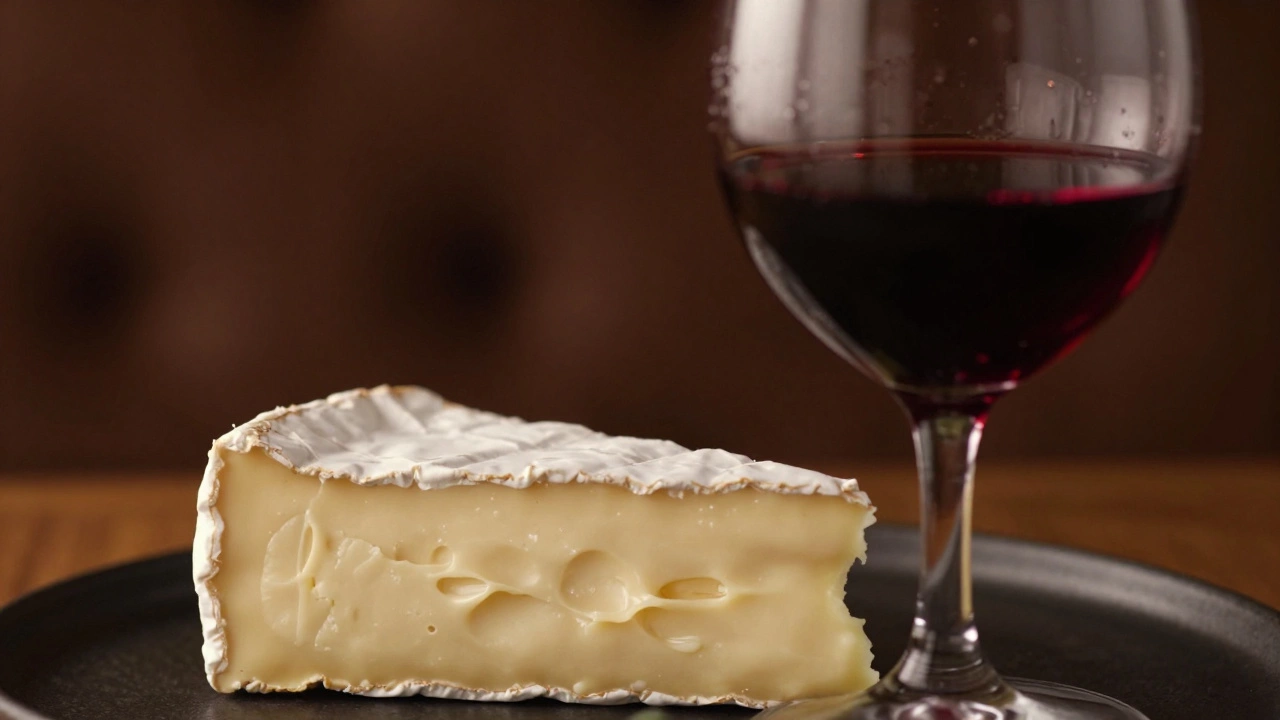
Cheese, however, is packed with lipids-fatty molecules-and proteins. When you eat cheese, these fats coat your taste receptors. When you follow that with a sip of wine, the tannins bind to the proteins and fats in the cheese rather than the proteins in your saliva. This effectively "scrapes" the palate clean. It's like a reset button for your mouth, which prevents the richness of the cheese from becoming cloying and the bitterness of the wine from becoming too harsh.
The Battle Between Acid and Fat
While red wine uses tannins, white wine relies on Acidity is the crisp, tart quality in wine produced by organic acids like tartaric and malic acid. Think of acidity as a culinary knife. When you eat a rich, buttery cheese, the fat creates a barrier on your tongue. A zingy, acidic white wine slices right through that fat, refreshing your mouth and making you ready for the next bite.
This interaction doesn't just clean the palate; it actually changes how you perceive flavor. Salt in the cheese can make the wine taste less sweet and more aromatic. Meanwhile, the creaminess of the dairy acts as a soft backdrop, allowing the subtle fruit notes of a chilled white to pop. It is a symbiotic relationship where neither side overpowers the other, provided you pick the right match.

The Secret Harmony of Molds
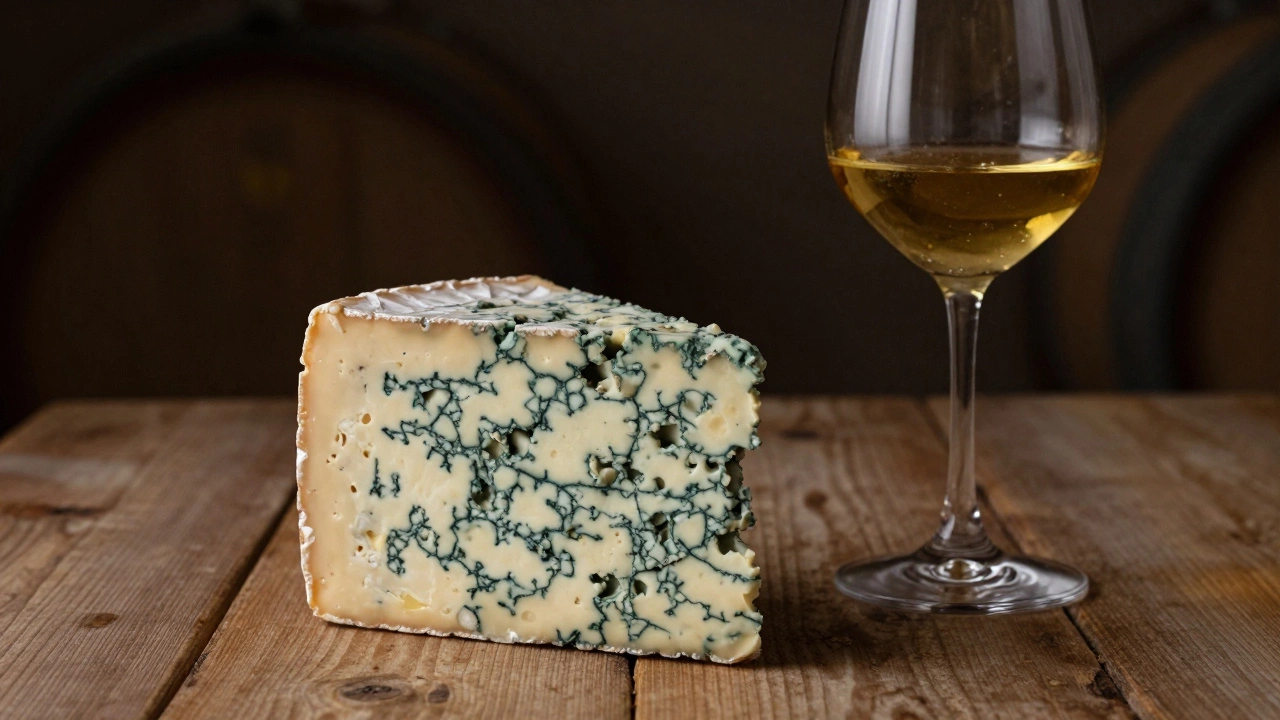
Some of the most legendary pairings happen because of a strange biological coincidence. Take Roquefort is a sheep's milk blue cheese from France characterized by its pungent flavor and blue veins and a sweet Sauternes is a French dessert wine made from grapes affected by noble rot (Botrytis cinerea).
At first glance, pairing a salty, pungent blue cheese with a sugary dessert wine seems like a mistake. But look closer: the blue veins in the cheese come from Penicillium mold, and the sweetness in the wine comes from Botrytis mold. Both these molds produce earthy, mushroom-like aromas. Because they share these chemical markers, they create a sublime harmony. The sweetness of the wine tames the saltiness of the cheese, while the cheese keeps the wine from feeling like pure syrup.
Breaking the Red Wine Myth
For years, we've been told that red wine is the "correct" choice for any cheese board. This is actually a bit of a lie. While a light red can work, heavy, high-tannin reds often clash with cheese. One hard truth is that tannins can react with Casein is the primary protein found in milk and cheese to create a metallic or bitter taste.
If you pair a massive, oaky red with a delicate goat cheese, the wine will simply bulldoze the flavor of the cheese into oblivion. Conversely, a very strong cheese can make a nuanced red wine taste like water. The goal isn't always contrast; sometimes it's about matching intensity. A light-bodied wine needs a tender cheese, and a powerful, crumbly cheese needs a wine with a strong structure and "oomph."
Pro Pairing Guide: Matching the Profiles
If you want to experiment at home, follow the rule of "if it grows together, it goes together." This means pairing regional specialties. For example, a tangy Sancerre is a French wine produced in the Loire Valley from the Sauvignon Blanc grape-which is high in acidity-works perfectly with a Selles-sur-Cher goat cheese from the same region.
- Brie and Champagne: The bubbles in the sparkling wine act as a "degreaser," scrubbing the rich, buttery Brie from your tongue and highlighting the mushroomy notes of the cheese.
- Aged Cheddar and Light Reds: Firm, aged cheeses have a depth that can stand up to the fruitiness of a light red without being crushed by heavy tannins.
- Goat Cheese and Sauvignon Blanc: Both have a high, "zippy" acidity that creates a fresh, clean balance on the palate.
- Comté and Chardonnay: The natural creaminess of a Chardonnay mirrors the richness of the Comté, while the wine's acidity keeps it from feeling too heavy.
How to Build Your Own Pairing
You don't need a sommelier's degree to do this right. Start by looking at the intensity. If the cheese is "loud" (like a pungent Gorgonzola), you need a "loud" wine (like a sweet dessert wine or a very bold red). If the cheese is "quiet" (like a fresh Mozzarella), go with a light, crisp white.
Consider the texture too. A silky mouthfeel is achieved when white wine tannins cut through soft cheeses. For hard, crystalline cheeses, you want something that can match that physical grit-usually an aged wine or a fruitier red. If you find the wine is too sour, a bit of cheese usually coats the tongue and softens that edge. If the cheese feels too salty, a sip of a sweeter wine will neutralize the sting.
Does red wine always go with cheese?
Not at all. In many cases, white wine is actually a better choice. High-tannin red wines can react with the casein protein in cheese, creating a bitter or metallic taste. Additionally, heavy reds often overpower the more delicate flavors of soft cheeses. Light reds work for aged cheeses, but white wines are generally more versatile for a variety of cheese types.
Why does blue cheese taste better with sweet wine?
This is due to a combination of flavor contrast and shared biology. The high salt content of blue cheese is balanced by the sugar in dessert wines. Furthermore, the molds responsible for the blue veins in the cheese and the "noble rot" in wines like Sauternes both share mushroomy, earthy aromatic compounds, creating a natural harmony.
What is the 'creaming effect' in wine pairing?
The creaming effect occurs when the lipids (fats) in cheese bind with the tannins in wine. This masks the astringency and bitterness of the tannins, making the wine feel smoother and creamier on the tongue while allowing the other fruit and floral notes of the wine to shine through.
Which wine is best for Brie?
Champagne or other sparkling wines are ideal for Brie. The carbonation and high acidity act as a palate cleanser that "degreases" the mouth from the rich, buttery fat of the Brie, preventing the palate from becoming overwhelmed by the richness.
How does salt in cheese affect the taste of wine?
Salt influences the perception of acidity and sweetness. Generally, the salt in cheese can make a wine taste less sweet and more astringent, which helps to pull out the fruity aromas and brighten the overall flavor profile of the wine.