Gruit Ale Recipe Generator
Select your preferences and click Generate to see your custom recipe.
You might think hops are the soul of beer. After all, every IPA, lager, and stout you’ve ever bought at the store relies on them for bitterness, aroma, and shelf life. But here’s the truth: **you can absolutely make beer without hops**. In fact, for over a thousand years in Europe, brewers didn’t use hops at all. They used herbs, spices, and other botanicals instead. Today, whether you’re curious about history, allergic to hops, or just want to experiment with your home brewing kits that allow for flexible ingredient experimentation, making hop-free beer is not only possible-it’s surprisingly rewarding.
The Short Answer: Yes, It’s Possible
To understand why you don’t need hops, you have to look at what beer actually is. At its core, beer is just fermented grain sugar. Yeast eats the sugar from malted barley (or other grains) and turns it into alcohol and carbon dioxide. That’s the engine. Hops are the seasoning and the preservative. They add bitterness to balance the sweetness of the malt and contain natural acids that stop bad bacteria from growing.
If you remove hops, the yeast still works fine. The fermentation process doesn’t care if there are hops in the pot. What changes is the flavor profile and how long the beer stays safe to drink. Without hops, you lose that sharp, piney bitterness. Instead, you get whatever flavors come from the herbs you choose to add. You also lose some protection against spoilage, which means you need to be careful with sanitation and consumption speed. But chemically? There is no rule saying hops must be present. Water, fermentable sugar (from malt or plain sugar), and yeast are the only non-negotiable ingredients.
A Taste of History: What Is Gruit?
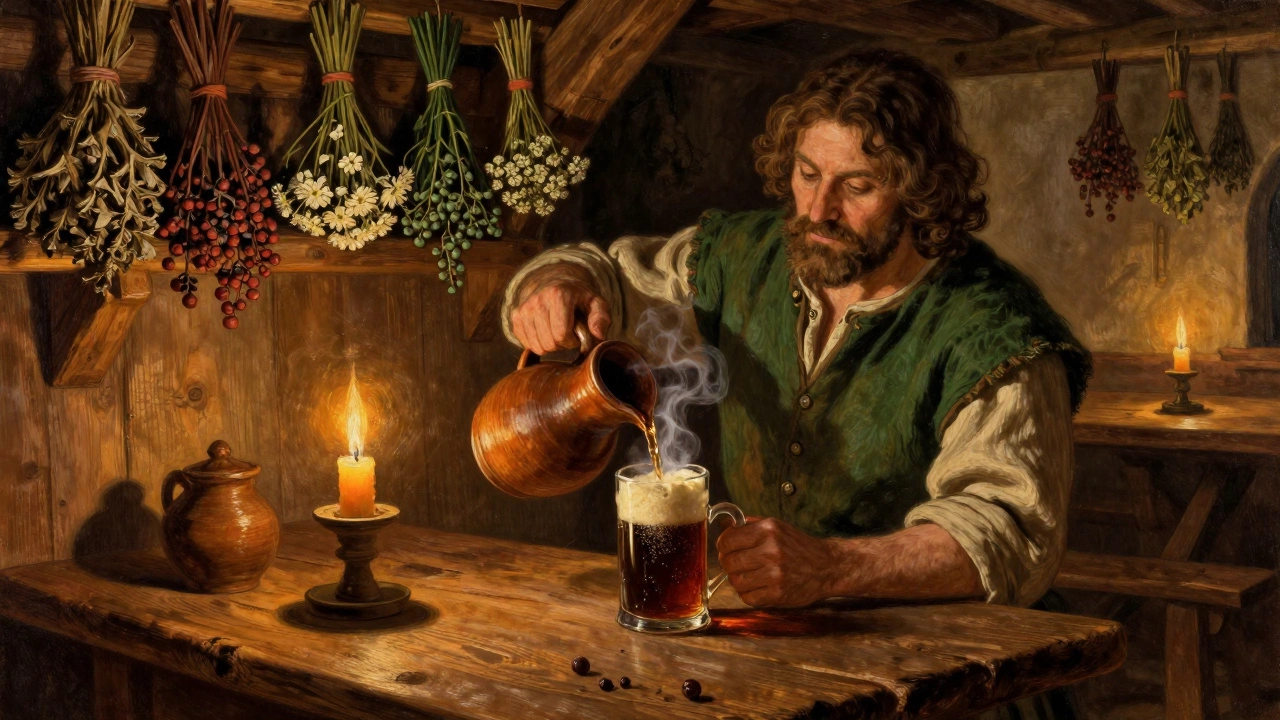
Before hops took over the brewing world around the 17th century, European brewers made something called gruit ale a traditional medieval beer flavored with a mix of herbs instead of hops. The word “gruit” comes from Dutch and Flemish languages and refers specifically to the blend of herbs used in the brew. These ales were the standard across the continent from roughly 700 to 1700 CE.
Gruit wasn’t just one thing. It was a customizable mix depending on where you lived and what grew nearby. Common ingredients included:
- Mugwort: Provides a strong, earthy bitterness similar to hops.
- Yarrow: Adds floral notes and mild bitterness.
- Alehoof (Ground Ivy): Offers a minty, slightly sweet herbal character.
- Sweet Gale (Bog Myrtle): Gives a resinous, pine-like aroma.
- Cinnamon and Cloves: Used for spice and warmth, usually added late in the boil.
Brewing gruit today is like time travel. You aren’t making a failed attempt at regular beer; you’re making a historically accurate style that people enjoyed for centuries. Many modern craft breweries and homebrewers are reviving these recipes because they offer complex, spicy, and aromatic profiles that hopped beers simply can’t replicate.
How to Brew Beer Without Hops: Two Main Paths
If you want to try this yourself, you have two main approaches. The first is simple and requires almost no equipment. The second is more involved but gives you a richer, grain-based result. Both work well with standard home brewing kits designed for beginners and intermediate brewers.
Path 1: The Simple Sugar-Herb Ferment
This method is perfect if you don’t have a full brewing setup. You can do this on your stovetop with basic kitchen tools. Think of it as making a very sophisticated mead or kvass, but with herbs instead of honey.
- Boil the Base: Take about 1 gallon (3.8 liters) of water and bring it to a boil. Add 1 pound (454 grams) of sugar. This can be white cane sugar, brown sugar, molasses, or dry malt extract (DME). Sugar provides the food for the yeast.
- Add Acid: Squeeze half a lemon into the mix. The acidity helps create an environment where good yeast thrives and bad bacteria struggle.
- Add Herbs: Throw in 2 teaspoons of dried mugwort, yarrow, or alehoof. If you have fresh sprigs, use 4-5 of them. Boil this mixture for 30 minutes. This extracts the bitter compounds and essential oils from the plants.
- Cool Down Fast: Remove from heat and cool the liquid quickly. An ice bath works best. You want to get it below 80°F (26°C) as fast as possible to avoid contamination.
- Ferment: Pour the cooled liquid into a clean jar or jug. Add 1 teaspoon of bread yeast or brewer’s yeast. Cover it with a towel or cheesecloth for the first day, then switch to an airlock or a balloon once bubbling starts.
- Wait and Bottle: Let it ferment for about two weeks until the bubbling stops. Then, add a small amount of sugar (about 1 oz or 28 grams per gallon) to carbonate it, bottle it up, and let it sit for another 2-3 weeks before drinking.
Path 2: The All-Grain Gruit Ale
If you have a proper brewing setup, you can skip the table sugar and use real malted barley. This creates a beer with body, color, and complexity that sugar-based versions lack. The process is identical to brewing a normal ale, except you swap the hops for herbs.
Here is a sample recipe structure for a 6.5-liter batch:
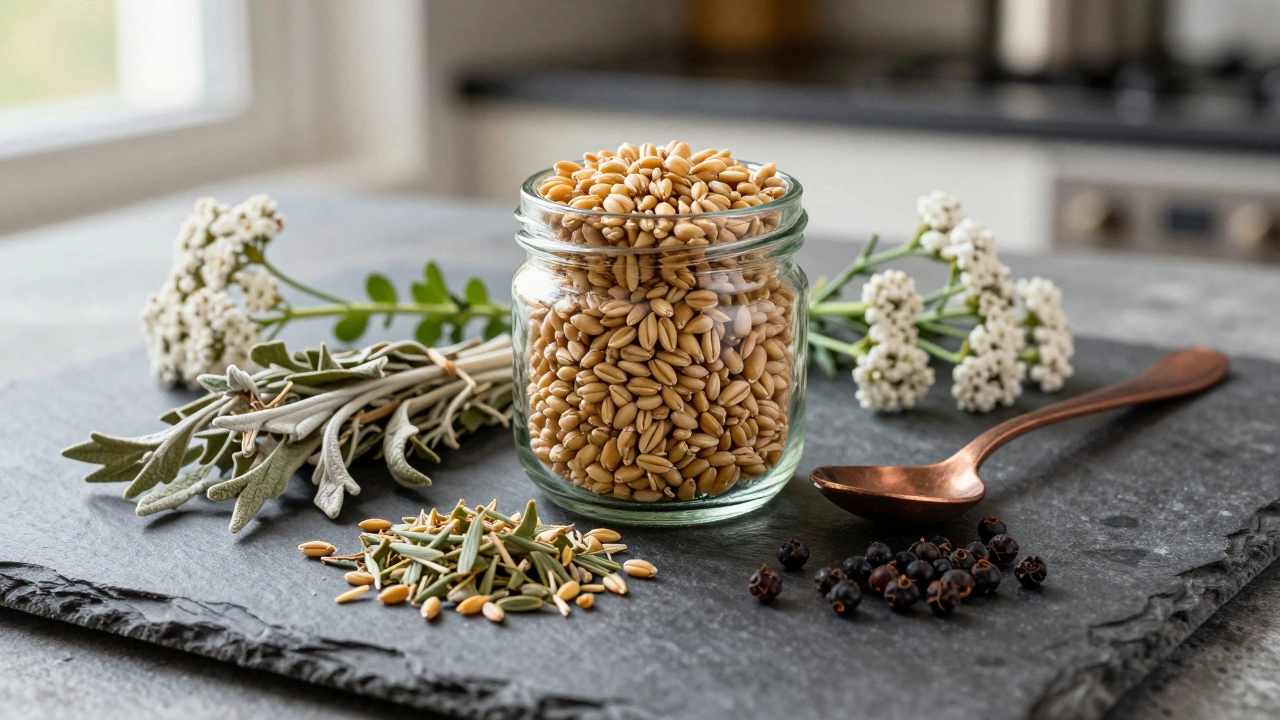
- Grains: 1,200g base malt, 350g biscuit malt, 250g oat flakes. Mash these at 78°C to convert starches into sugars.
- The Boil: Once you have your wort (the sugary liquid from the grains), start a 40-minute boil. Since you have no hops, you need bittering agents. Add 10g of dried artichoke leaves (they are intensely bitter) and 15g of juniper berries or myrtle berries.
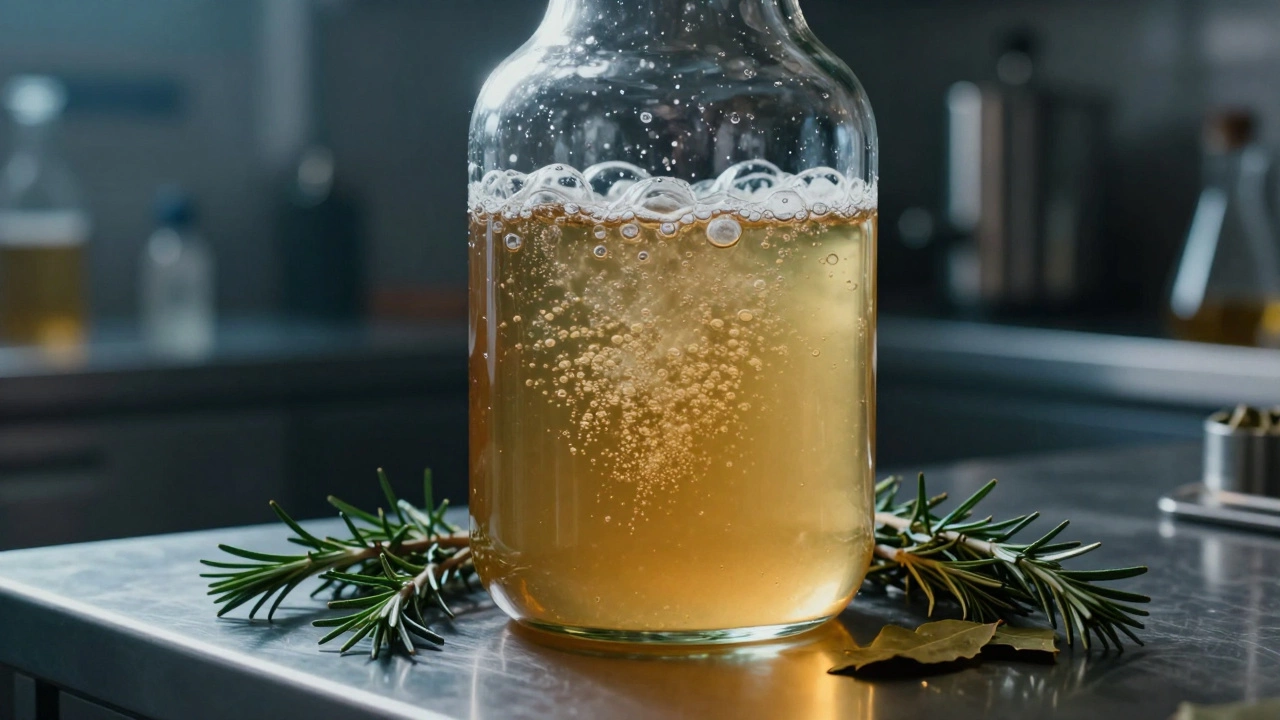
- Aroma Herbs: In the last 5 minutes of the boil, add 10 fresh rosemary needles and 1 bay leaf. These volatile aromatics will cook off if boiled too long.
- Stabilizer: Add 100g of brown sugar after the boil. This boosts the alcohol content slightly, which acts as a preservative since you lack hop acids.
- Fermentation: Cool the wort, pitch your yeast, and follow standard fermentation practices. Check your gravity meter to ensure fermentation is complete before bottling.
The Risks: Why Hops Were Invented
You might be wondering, if gruit worked for so long, why did everyone switch to hops? The answer is mostly about stability and consistency. Hops contain iso-alpha acids, which are powerful antimicrobial agents. They inhibit Gram-positive bacteria, the kind that often ruins beer by making it sour or slimy.
When you brew without hops, you lose that safety net. Your beer becomes more susceptible to infection. This is why sanitation is twice as important when making hop-free beer. Every surface, spoon, and bottle must be spotless. Additionally, herbal substitutes vary wildly in potency. One year’s harvest of mugwort might be stronger than the next. Hops are standardized; herbs are wild.
To mitigate this risk, many hop-free brewers aim for higher alcohol by volume (ABV). Alcohol itself is a preservative. By adding extra sugar or using highly efficient malts, you push the ABV up to 6% or higher, creating a hostile environment for spoilage organisms. Also, plan to drink your hop-free beer relatively quickly. It won’t age gracefully in the cellar like a stout might. Treat it as a fresh, vibrant beverage meant to be consumed within a month or two of bottling.
| Feature | Traditional Hopped Beer | Hop-Free Gruit / Herbal Beer |
|---|---|---|
| Bitterness Source | Hops (Alpha Acids) | Herbs (Mugwort, Yarrow, Artichoke) |
| Flavor Profile | Piney, citrus, floral, grassy | Earthy, spicy, medicinal, sweet |
| Shelf Stability | High (Hops kill bacteria) | Low to Medium (Requires high ABV or fast consumption) |
| Equipment Needed | Standard home brewing kits | Standard home brewing kits + Herb Grinder/Dryer |
| Cost | Moderate (Hops can be pricey) | Low (Herbs are cheap or free if foraged) |
Modern Twists: Engineered Yeast and Beyond
While most homebrewers stick to herbs, the industry is looking at science. Researchers at the University of California, Berkeley, have developed methods to brew beer without hops by engineering yeast. These modified yeasts produce terpenoid compounds-like linalool and geraniol-that mimic the aroma and bitterness of hops. Companies like Iron Horse Brewery have experimented with this concept.
For the homebrewer, this isn’t really an option yet (and probably shouldn’t be, due to safety regulations). But it highlights an interesting point: “Beer without hops” doesn’t necessarily mean “beer without hop flavor.” It just means removing the plant itself. Whether you use ancient herbs or futuristic yeast, the goal remains the same: balancing sweetness with bitterness and protecting the brew from spoilage.
Who Should Try Brewing Without Hops?
This approach isn’t for everyone. If you love the crisp, clean bite of a Pilsner or the intense aroma of a West Coast IPA, you’ll likely find gruit strange or even unpleasant. However, hop-free brewing is ideal for:
- Allergy Sufferers: Some people have sensitivities to hops. Herbal beers offer a way to enjoy fermented grain drinks without the reaction.
- History Buffs: Recreating medieval tastes is a fascinating hobby. It connects you to the culinary past in a tangible way.
- Budget Brewers: Hops prices fluctuate and can be expensive. Herbs like yarrow and mugwort are often free to forage or very cheap to buy dried.
- Experimental Spirits: If you’re bored of standard recipes, swapping hops for rosemary, juniper, and cinnamon opens up a whole new flavor dimension.
Final Thoughts on Hop-Free Brewing
Making beer without hops is less about cutting corners and more about exploring the roots of brewing. It forces you to pay attention to sanitation, flavor balance, and ingredient quality in ways that mass-produced hopped beers hide. With a basic set of home brewing kits essential for DIY fermentation projects, a bag of dried herbs, and a willingness to taste something different, you can craft a beverage that is both historical and uniquely yours. Just remember: clean everything, cool it fast, and drink it fresh.
Is beer without hops still considered beer?
Yes. Legally and technically, beer is defined by its base ingredients: water, grain, and yeast. Hops are a standard additive in modern brewing but are not a mandatory chemical component for fermentation to occur. Historical styles like gruit ale are widely recognized as true beers.
What herbs replace hops in beer?
Common substitutes include mugwort (for bitterness), yarrow (for floral notes), alehoof (ground ivy), sweet gale, and juniper berries. Spices like cinnamon, cloves, and rosemary are often added for aroma rather than bitterness.
Does beer without hops go bad faster?
Yes. Hops contain natural antibacterial properties that preserve beer. Without them, the beer is more prone to bacterial infection and oxidation. To extend shelf life, brewers often increase the alcohol content or ensure strict sanitation during the brewing process.
Can I use my existing home brewing kit for hop-free beer?
Absolutely. Standard home brewing kits provide all the necessary equipment-fermenters, airlocks, and bottles-to brew hop-free beer. The process is nearly identical to brewing hopped beer, minus the hop additions.
What does hop-free beer taste like?
It tastes significantly different from modern beer. Expect earthy, herbal, and spicy notes rather than pine or citrus. Depending on the herbs used, it can range from mildly bitter and medicinal to sweet and aromatic. It is generally less sharp and more complex in a savory way.
Do I need special yeast for hop-free beer?
No. Standard ale or lager yeasts work perfectly fine. The yeast ferments the sugars regardless of whether hops are present. Some brewers prefer ale yeast for gruit styles because the warmer fermentation temperatures help release the aromatic oils from the herbs.
Is it safe to forage herbs for brewing?
It can be, but you must be 100% certain of the plant identification. Misidentifying a poisonous plant as a brewing herb can be dangerous. Always source herbs from reputable suppliers or experts if you are unsure. Avoid plants treated with pesticides.