Spirits & Weight Gain Estimator
Pure spirits are low in carbs but high in empty calories. This tool helps you visualize the total caloric load of your typical drinking session, including the often-overlooked impact of mixers and post-drink snacking.
You pour a neat measure of whiskey or mix a crisp gin and tonic, telling yourself it's the "low-calorie" choice. No carbs, no sugar, right? But then you step on the scale weeks later and see the numbers creeping up. It’s a confusing contradiction that trips up plenty of people. You’re drinking something with fewer calories than a soda, yet your waistline seems to disagree. So, do spirits actually make you gain weight, or is this just another health myth?
The short answer is: it’s complicated. While pure spirits are technically low in carbohydrates and sugars, they pack a significant caloric punch per gram. More importantly, how your body handles those calories differs wildly from how it handles food. Research suggests that while moderate consumption might not spike weight for everyone, heavy or binge drinking patterns linked to spirits often lead to increased fat storage, particularly around the abdomen. Let’s break down what’s really happening inside your body when you raise a glass.
The Calorie Math: What’s Actually in Your Glass
First, let’s look at the raw numbers. A standard 1.5-ounce shot (44ml) of distilled spirits like vodka, gin, rum, tequila, or whiskey contains approximately 98 to 100 calories. This comes entirely from ethanol. Here is the critical distinction most people miss: alcohol has 7 calories per gram. Compare that to protein and carbohydrates, which have 4 calories per gram, and fat, which has 9. Alcohol sits uncomfortably close to fat in terms of energy density.
Unlike wine or beer, pure spirits contain zero carbohydrates, zero fat, and zero protein. They are essentially water and ethanol. If you drink them straight or with soda water, you are consuming very few nutrients alongside those calories. This makes them "empty calories." But does empty mean harmless for your waistline? Not necessarily. Because there are no macronutrients to slow digestion, the alcohol hits your bloodstream fast, triggering a metabolic response that prioritizes burning alcohol over everything else.
| Beverage Type | Serving Size | Approx. Calories | Carbs/Sugar |
|---|---|---|---|
| Vodka | 1.5 oz (44 ml) | 96 kcal | 0g |
| Gin | 1.5 oz (44 ml) | 97 kcal | 0g |
| Whiskey | 1.5 oz (44 ml) | 105 kcal | 0g |
| Dry White Wine | 5 oz (150 ml) | 120 kcal | 3-4g |
| Light Beer | 12 oz (355 ml) | 100 kcal | 5-6g |
How Your Body Processes Alcohol (The Metabolic Hijack)
This is where things get interesting biologically. When you eat food, your body breaks it down into glucose, amino acids, and fatty acids. It can store these as glycogen or fat depending on your activity level. Alcohol is different. Your liver treats acetate (the byproduct of alcohol breakdown) as a toxin that needs immediate removal. It stops processing other fuels to focus exclusively on clearing the alcohol.
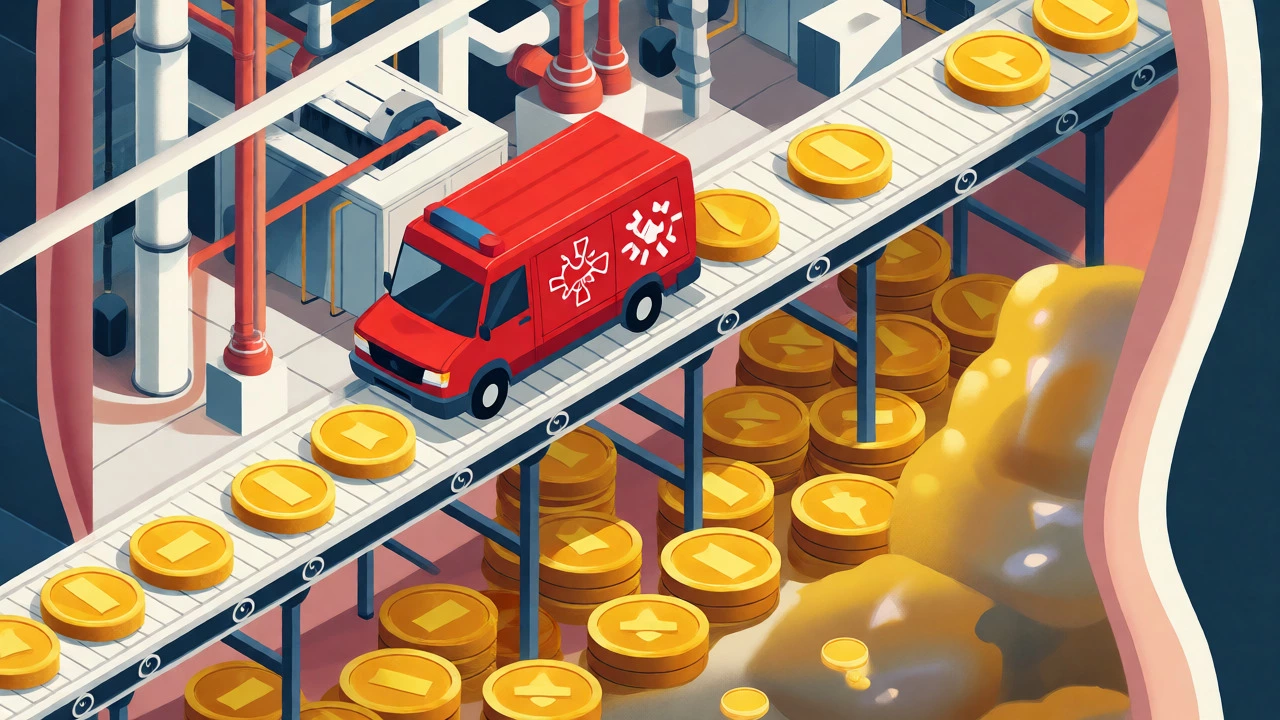
Imagine your metabolism is a highway. Normally, cars (calories from food) move smoothly. When alcohol enters, it’s like an emergency vehicle blocking all lanes. Every calorie you ate before or during your drink gets parked in the nearest available garage-your fat cells. This is why eating pizza while drinking whiskey often leads to more fat storage than eating pizza alone. The alcohol pauses your fat-burning machinery, forcing your body to stash the meal’s calories instead of using them for energy.
A study published in JAMA Internal Medicine followed nearly 20,000 women for over a decade. It found that those who consumed light-to-moderate amounts of alcohol gained less weight over time compared to non-drinkers. However, this benefit vanished with heavier consumption. For men and women drinking heavily, the metabolic halt becomes chronic, leading to steady weight accumulation.
Spirits vs. Wine and Beer: Is One Better for Your Waistline?
If you’re trying to manage weight, you might wonder if switching from beer to spirits helps. The evidence suggests yes, but with caveats. A major 2022 meta-analysis in Scientific Reports found that liquor consumption of seven or more drinks per week was associated with weight gain in both men and women. In contrast, wine consumption did not show the same strong link to weight gain.
Why the difference? It’s rarely just about the liquid itself; it’s about behavior. People who drink wine often pair it with meals and tend to have healthier overall dietary patterns. Spirit drinkers, particularly those engaging in binge drinking, often consume their alcohol quickly, sometimes without food, or paired with high-sugar mixers and late-night snacks. The social context matters. If your spirit habit involves shots and chips, the calories add up fast. If it’s a single whiskey after dinner, the impact is minimal.
Furthermore, research indicates that spirits may specifically increase visceral adiposity-the dangerous fat stored around your internal organs-even if your total body weight doesn’t change drastically. A 2023 study noted that greater spirit consumption correlated with higher levels of abdominal fat, driven by increased fat mass rather than muscle loss. This means you could stay the same weight on the scale but still see changes in body composition that affect health risks.
The Mixer Trap: Hidden Calories in Cocktails
Pure spirits are low-calorie. Cocktails are not. This is the biggest pitfall for anyone watching their weight. A vodka soda is roughly 100 calories. A Long Island Iced Tea? That can hit 400-500 calories due to multiple spirits and sugary mixers. A classic Margarita with triple sec and lime juice can range from 200 to 300 calories depending on the recipe.
- Soda Water: Zero calories. The best option.
- Tonic Water: ~120 calories per cup (it’s basically sugar water).
- Fruit Juices: Orange, cranberry, or pineapple juice add 100+ calories of pure sugar.
- Cream/Liqueurs: Add fats and sugars, easily doubling the drink’s calorie count.
If you want to enjoy spirits without the weight penalty, stick to highball glasses with ice and soda water. Avoid pre-made mixes. Check labels on liqueurs like Baileys or Kahlúa-they are calorie bombs disguised as flavor enhancers.
Appetite and Decision-Making: The Indirect Effect
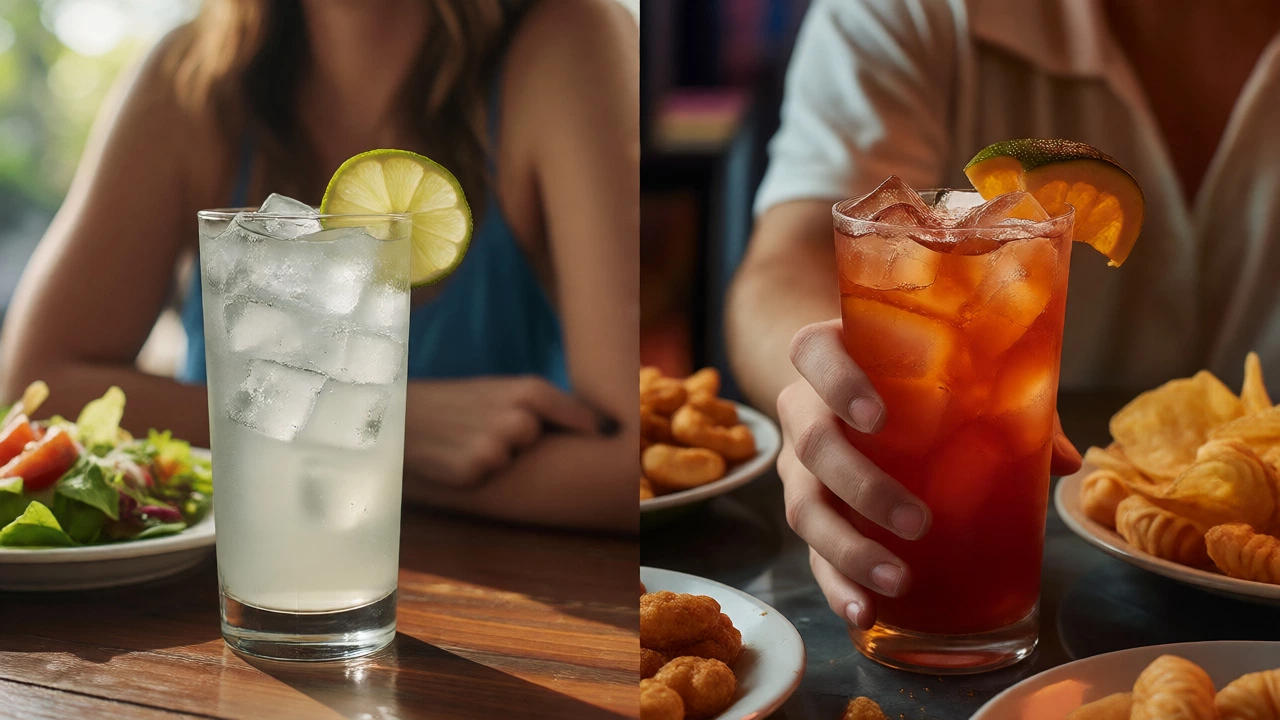
Alcohol lowers inhibitions, and that includes your dietary discipline. Have you ever noticed that you crave salty, greasy foods after a couple of drinks? That’s not just in your head. Alcohol affects hormones like ghrelin (which signals hunger) and leptin (which signals fullness). Studies suggest that alcohol consumption can increase hunger cues, making you eat more than you intended.
Moreover, alcohol impairs decision-making. The salad you planned to order suddenly looks boring compared to the fries. This indirect effect often contributes more to weight gain than the alcohol calories themselves. If you’re drinking socially, be mindful of the "munchies" that follow. Planning ahead-like having a protein-rich snack before going out-can help mitigate this.
Does Moderation Protect You?
So, should you quit spirits entirely? Probably not, unless you’re struggling with addiction. Most health organizations, including the National Institute on Alcohol Abuse and Alcoholism (NIAAA), define moderate drinking as up to one drink per day for women and two for men. At this level, many studies show no significant negative impact on weight, provided you aren’t compensating with extra food intake.
However, "moderate" is a slippery slope. It’s easy to drift from one drink to three over a weekend. Binge drinking (5+ drinks in one sitting for men, 4+ for women) consistently correlates with weight gain and metabolic disruption. If you notice your weight creeping up despite eating well, look at your drinking frequency. Are you having one glass a night, or three every Friday and Saturday?
Key Takeaways
- Calories exist: Spirits have ~100 calories per shot, similar to fat in density.
- Metabolism pause: Alcohol halts fat burning, causing concurrent food calories to be stored.
- Mixers matter: Sugary mixers turn low-calorie drinks into high-calorie desserts.
- Visceral fat risk: Heavy spirit use may increase abdominal fat even if weight stays stable.
- Behavior drives results: Moderate drinking with controlled eating usually doesn’t cause weight gain; bingeing does.
Which spirit has the least calories?
All clear spirits like vodka, gin, white rum, and silver tequila have virtually identical calorie counts, ranging from 96 to 100 calories per 1.5-ounce shot. Darker spirits like whiskey or aged rum may have slightly more (around 105 calories) due to trace congeners, but the difference is negligible. The real calorie variable is the mixer, not the base spirit.
Does alcohol stop fat burning?
Yes, temporarily. Your liver prioritizes metabolizing alcohol because it views it as a toxin. While processing alcohol, your body pauses the oxidation of fats and carbohydrates. Any calories from food eaten during this window are more likely to be stored as fat rather than burned for energy.
Can I lose weight while drinking whiskey?
You can maintain or lose weight while drinking whiskey if you stay within a calorie deficit. Since whiskey has no carbs or sugar, it fits well into keto or low-carb diets. However, you must account for its ~105 calories per shot in your daily limit and avoid pairing it with high-calorie snacks or sugary mixers.
Is wine better than spirits for weight loss?
Research suggests wine drinkers often have lower BMI, but this may be due to lifestyle factors rather than the wine itself. Wine has more calories per serving than a shot of spirits but is typically consumed slower and with food. Spirits are lower in calories per ounce but easier to consume quickly, leading to faster intoxication and potential overeating. Neither is inherently "better"; moderation and context determine the outcome.
Do spirits cause belly fat?
Heavy consumption of spirits has been linked to increased visceral adiposity, which is fat stored deep in the abdomen around organs. This type of fat is metabolically active and linked to higher health risks. While moderate drinking may not cause noticeable belly fat, excessive intake disrupts hormonal balance and fat storage patterns, potentially contributing to abdominal weight gain.