There is a quiet dignity in the Presbyterian, a classic highball that relies on simplicity rather than showmanship. It is not a party trick. It does not require a shaker, fancy glassware, or a flair bartender’s wrist action. What it requires is respect for its two main components and an understanding of balance. If you have ever wondered why some drinks taste flat while others sing, the Presbyterian will teach you about the marriage of spirit and mixer.
The drink is essentially a sophisticated way to enjoy Scotch whisky. Unlike many modern mixed drinks that mask the character of the alcohol with heavy syrups or fruit purees, this cocktail lets the malt speak. You might be thinking, "Is it just whisky and ginger ale?" Yes, but that question misses the point entirely. It is like asking if a steak is just meat. The quality of the cut, the heat of the grill, and the seasoning define the experience. In the same way, the specific type of Scotch and the sharpness of your ginger beer determine whether you get a mediocre swill or a memorable sip.
The History Behind the Name
Before we grab the bottle, let’s look at where this comes from. The name suggests a connection to the Presbyterian Church, known for its strict moral codes and, historically, its opposition to alcohol consumption. This irony is not lost on cocktail historians. The theory goes that these ministers needed a way to partake in social drinking without violating their vows of temperance or sobriety. By diluting strong spirits with large amounts of non-alcoholic mixers, they could technically claim they were not "drinking" in the traditional sense.
Whether this story is fact or folklore, it highlights the drink’s core philosophy: moderation and clarity. It was likely popularized in the late 19th or early 20th century when highballs became the standard for afternoon refreshment. Today, it sits comfortably alongside other spirit-forward highballs like the Rusty Nail (which adds Drambuie) or the Highball (usually made with gin or vodka). Understanding this lineage helps you appreciate why the ratio matters so much. It is designed to be sipped slowly, not chugged.
Choosing Your Ingredients: Quality Over Quantity
You only need three things to make this drink. That sounds easy, but it means there is nowhere to hide. If one ingredient is bad, the whole drink fails. Here is what you need to look for.
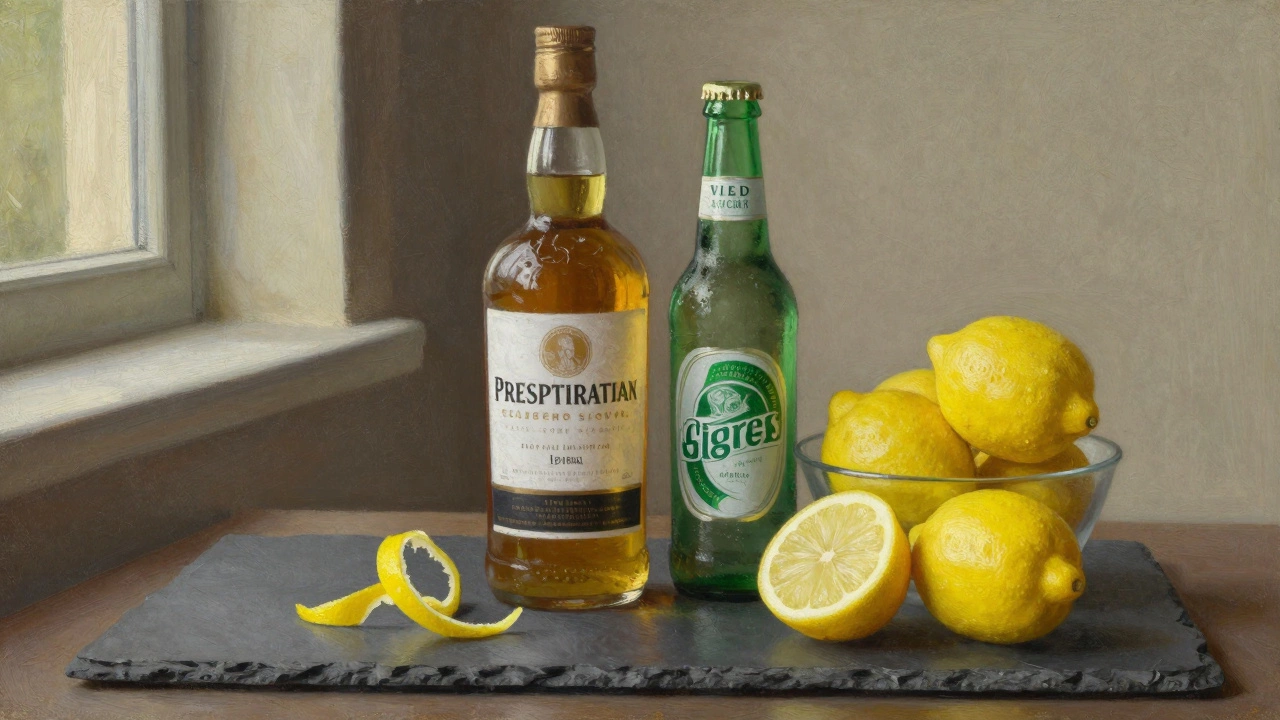
- Scotch Whisky: This is the engine of the drink. You do not need to spend $100 on a single malt, but avoid bottom-shelf blended Scotch that tastes like iodine and regret. Look for a Blended Scotch with smooth notes. Brands like Johnnie Walker Red Label or Black Label work well because they are approachable. If you want something richer, try a Speyside single malt like Glenfiddich 12-Year-Old. Avoid heavily peated Islay whiskies unless you specifically love the smoke; the ginger can clash with intense ash flavors.
- Ginger Beer: Do not reach for the ginger ale sitting next to the soda cans. Ginger ale is sweet, watery, and lacks bite. You need Ginger Beer, which is fermented, spicy, and has real ginger flavor. Brands like Fever-Tree Premium Ginger Beer or Bundaberg offer a good balance of spice and sweetness. If you prefer a sharper kick, go for a craft brand like Reed’s or Stieglitz. The goal is to complement the whisky, not drown it out.
- Lemon Juice: Freshly squeezed lemon juice is non-negotiable. Bottled juice contains preservatives that taste metallic and kill the freshness of the drink. One wedge is enough to add brightness and cut through the heaviness of the alcohol.
The Perfect Ratio and Method
Many people ruin highballs by pouring them incorrectly. They pour the ice last, or they use warm ice that melts instantly, watering down the drink before you take the first sip. Follow this method to ensure every drop is crisp.
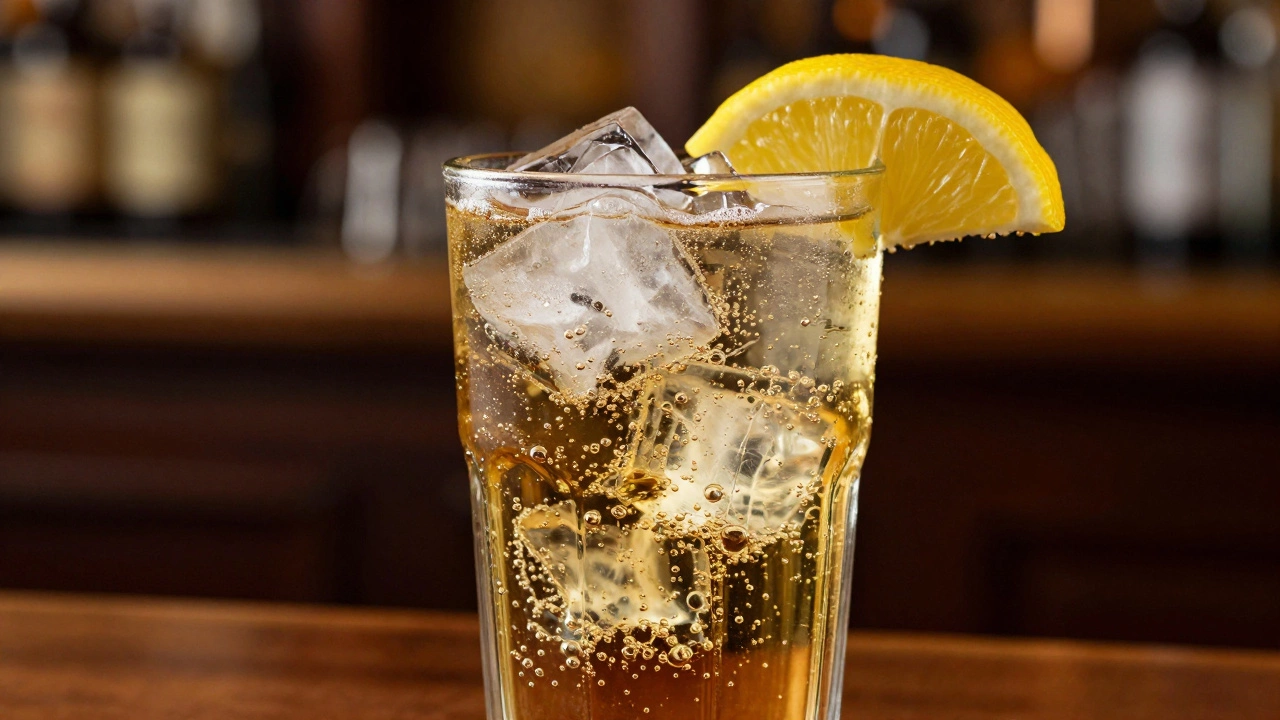
First, fill a Highball Glass or a Collins glass with fresh, large ice cubes. Large ice melts slower than small cubes, keeping your drink cold without diluting it too quickly. If you do not have a dedicated highball glass, any tall pint glass works fine.
Next, pour 60ml (2 ounces) of your chosen Scotch over the ice. Then, top up the glass with chilled ginger beer. Leave a little room at the top for garnish. The ratio here is flexible based on personal taste, but a 1:3 ratio (one part whisky to three parts ginger beer) is a safe starting point. If you prefer a stronger drink, try 1:2. If you want it lighter, go 1:4. Stir gently with a bar spoon or long straw to integrate the layers. Do not shake it. Shaking introduces air bubbles and clouds the appearance, which ruins the elegant simplicity of the drink.
Finally, squeeze a wedge of lemon into the glass and drop it in. The oils from the peel release aromatic compounds that enhance the scent of the whisky as you bring the glass to your nose. Take a moment to smell it before you sip. You should detect hints of caramel, vanilla, and sharp ginger.
Variations to Explore
Once you master the basic formula, you can experiment with variations that play on similar flavor profiles. These tweaks can change the mood of the drink significantly.
- The Rusty Nail: Add 15ml of Drambuie (a honey-flavored Scotch liqueur) to your Presbyterian. This makes the drink sweeter and more complex, adding notes of heather and honey. It is a heavier drink, best enjoyed after dinner.
- The Smoky Presbyterian: Use an Islay single malt like Laphroaig or Ardbeg. The intense smokiness pairs surprisingly well with the heat of the ginger beer. This version is bold and assertive, perfect for a winter evening.
- The Spiced Twist: Add a dash of Angostura bitters or a pinch of cayenne pepper to the rim of the glass. This enhances the spicy notes of the ginger and adds a lingering warmth to the finish.
- The Low-Alcohol Option: Reduce the whisky to 30ml and increase the ginger beer. Garnish with a slice of fresh ginger root instead of lemon for an extra zesty kick.
Common Mistakes to Avoid
Even simple drinks can be messed up. Here are the most frequent errors I see people make when trying to replicate this classic.
Using Warm Ice: Ice taken directly from a freezer full of food smells like fish or chicken. Use clean, filtered water for your ice trays. Cloudy ice indicates impurities and trapped air, which can affect taste. Clear ice is ideal.
Over-Dilution: If your drink tastes watery within five minutes, your ice was too small or your ginger beer was not cold enough. Always chill your mixer in the refrigerator before pouring. Cold liquids maintain carbonation better, giving the drink a refreshing fizz.
Ignoring the Garnish: Skipping the lemon wedge is a missed opportunity. The acid balances the sweetness of the ginger beer and the richness of the whisky. Without it, the drink can feel one-dimensional and cloying.
Wrong Glassware: Serving a Presbyterian in a short rocks glass changes the experience. The wide surface area causes the carbonation to escape quickly, leaving you with a flat, lukewarm drink. A tall glass preserves the bubbles and keeps the drink refreshing longer.
Serving Suggestions
The Presbyterian is versatile enough to fit various occasions. It works well as an aperitif before a meal because the ginger stimulates the appetite. It also pairs nicely with light foods like smoked salmon, oysters, or a cheese board featuring mild cheddar and gouda. Avoid pairing it with heavily spiced dishes, as the ginger will compete with the food rather than complement it.
If you are hosting a gathering, you can batch this drink for a crowd. Mix 1 liter of Scotch with 3 liters of ginger beer in a large pitcher. Add lemon juice to taste. Keep it in the fridge until serving, then pour over fresh ice in individual glasses. Note that pre-mixing may reduce the carbonation slightly, so give it a gentle stir before serving.
What is the difference between a Presbyterian and a Rusty Nail?
A Presbyterian is made with Scotch whisky and ginger beer, often with a splash of lemon. A Rusty Nail combines Scotch whisky with Drambuie, a honey-based liqueur. The Rusty Nail is sweeter and richer, while the Presbyterian is drier and more refreshing due to the carbonation and spice of the ginger beer.
Can I use ginger ale instead of ginger beer?
Technically yes, but it is not recommended. Ginger ale is much sweeter and lacks the spicy kick of ginger beer. Using ginger ale will result in a drink that tastes like sugary soda with a hint of alcohol, masking the nuanced flavors of the Scotch. For the authentic Presbyterian experience, always use ginger beer.
Which type of Scotch is best for a Presbyterian?
A smooth blended Scotch works best for beginners, as it is less overpowering. Single malts from Speyside or Highlands offer floral and fruity notes that pair beautifully with ginger. Avoid heavily peated Islay whiskies unless you enjoy strong smoky flavors, as they can clash with the spice of the ginger beer.
Should I shake or stir a Presbyterian?
You should never shake a Presbyterian. It is a highball, meaning it is built directly in the glass. Shaking would introduce unwanted air bubbles and cloud the drink. Instead, gently stir the ingredients with a bar spoon to combine them without losing carbonation.
Why is lemon important in this cocktail?
Lemon adds acidity that cuts through the sweetness of the ginger beer and the richness of the whisky. It brightens the overall flavor profile and provides a refreshing finish. The essential oils from the lemon peel also enhance the aroma, making the drinking experience more engaging.