
Picture this: you’ve just wrapped up a long day, or perhaps you’re settling in for an evening of sophisticated conversation. You want something crisp, clean, and undeniably elegant. Enter the Closing Argument. It’s not just a drink; it’s a statement. Known by many names-the Dry Martini, the Classic Martini, or simply "The Martini"-this cocktail is the gold standard of bar culture. But here’s the catch: making it right at home can feel intimidating. One wrong move with the ice, the ratio, or the stir, and you end up with a watery mess instead of a silky smooth finish.
The good news? You don’t need a degree in mixology to nail it. You just need to understand the logic behind the liquid. This guide will walk you through exactly how to build a perfect Closing Argument cocktail, from choosing your spirits to mastering the art of the stir. By the end, you’ll be serving drinks that rival those at the finest speakeasies in town.
What Exactly Is a Closing Argument Cocktail?
Before we dive into the shaker (or rather, the mixing glass), let’s clear up the confusion around the name. Why "Closing Argument"? In legal dramas and real courtrooms alike, the closing argument is the final, decisive pitch that seals the deal. Similarly, this cocktail is often the last call of the night-the definitive proof that you know your way around a bar. It’s also widely known as a Dry Martini, which is a cocktail made primarily with gin and dry vermouth, chilled and served in a stemmed glass.
The beauty of the Closing Argument lies in its simplicity. There are only two main ingredients: Gin and a distilled spirit made from grain and flavored with juniper berries and other botanicals, and Dry Vermouth, which is a fortified wine infused with herbs and spices, used to add complexity and aroma to cocktails. That’s it. No fruit juices, no syrups, no bitters (unless you’re playing around). Because there are so few components, every drop counts. If your gin is cheap, the drink will taste harsh. If your vermouth is old, it will taste oxidized and bitter. Quality isn’t just a suggestion here; it’s a requirement.
Gathering Your Ingredients: Quality Over Quantity
To make a truly exceptional Closing Argument, you need to start with the right building blocks. Let’s break down what goes into the glass and why each element matters.
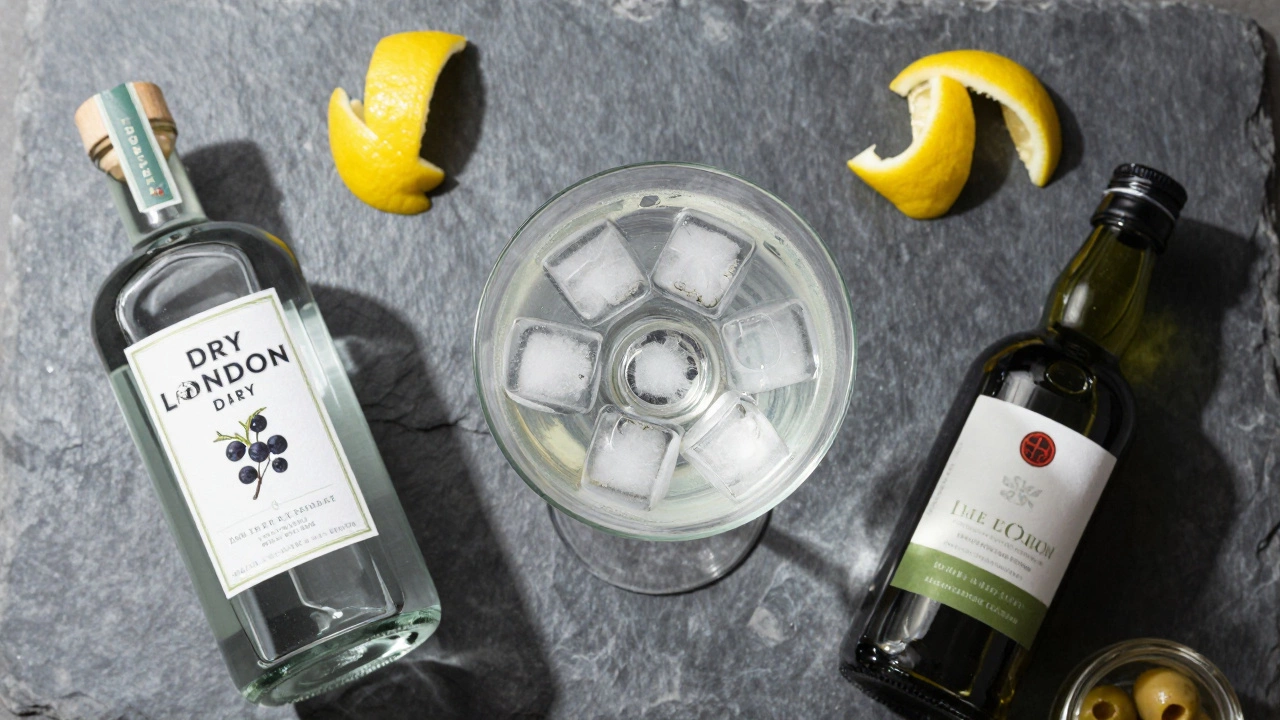
- Gin: Look for a London Dry Gin. These are crafted to be crisp and juniper-forward, providing the backbone of the drink. Brands like Tanqueray, Beefeater, or Bombay Sapphire are reliable staples. Avoid flavored gins unless you’re intentionally experimenting. You want purity, not distraction.
- Dry Vermouth: This is where most people go wrong. Vermouth is a wine-based product, which means it spoils once opened. Buy a small bottle (750ml or smaller) and keep it in the fridge. If your vermouth has been sitting on the counter for months, toss it. Fresh vermouth should smell aromatic and slightly herbal, not like old vinegar. Dolin and Carpano Antica Formula are excellent choices.
- Ice: Don’t skimp on ice. You need large, dense cubes. Small chips melt too quickly, watering down your cocktail before you even take a sip. Clear ice is ideal because it melts slower than cloudy, aerated ice. If you can’t find clear ice, freeze filtered water in a tray to get larger, clearer chunks.
- Garnish: The traditional options are a lemon twist or an olive. A lemon twist adds citrus oils that enhance the gin’s aromatics. An olive adds a salty, briny contrast. Choose one based on your preference. Some purists argue against olives in a "dry" martini, but personal taste reigns supreme.
The Tools You Need
You don’t need a professional bar setup, but having the right tools makes a huge difference. Here’s what you’ll need:
- Mixing Glass: Unlike shaken martinis (which are actually a myth popularized by James Bond movies), a proper Closing Argument is stirred. Stirring chills the drink without aerating it, resulting in a clear, silky texture. A metal mixing tin works fine if you don’t have a glass one.
- Bar Spoon: A long-handled spoon allows you to stir efficiently without splashing. If you don’t have one, a regular teaspoon will do in a pinch.
- Hawthorne Strainer: This tool rests on top of your mixing glass and holds back the ice while you pour the liquid into the serving glass. Again, a julep strainer or even a fine-mesh sieve works if you’re improvising.
- Martini Glass: The classic V-shaped glass is iconic for a reason. It keeps the drink cold by minimizing hand contact with the bowl. However, a coupe glass or even a rocks glass is perfectly acceptable if you prefer a more modern or practical approach.
Step-by-Step: How to Make the Perfect Closing Argument
Now comes the fun part. Follow these steps carefully to ensure your cocktail is balanced, chilled, and ready to impress.
- Chill Your Glass: Start by placing your martini glass in the freezer for 10-15 minutes, or fill it with ice water while you prepare the drink. A cold glass prevents the cocktail from warming up too quickly.
- Measure Your Ingredients: The classic ratio for a Closing Argument is 6 parts gin to 1 part dry vermouth. For example, use 3 ounces of gin and ½ ounce of vermouth. If you prefer an even drier martini, reduce the vermouth to a mere rinse (swirl a splash around the glass and dump it out). Taste as you go; ratios are guidelines, not laws.
- Add Ice to the Mixing Glass: Fill your mixing glass about three-quarters full with high-quality ice. More ice is better because it maintains a lower temperature during stirring.
- Pour the Liquids: Add the gin and vermouth to the mixing glass over the ice.
- Stir, Don’t Shake: Insert your bar spoon and stir gently but steadily. Aim for about 30-45 seconds. You want the drink to reach near-freezing temperatures without becoming diluted. Listen for the sound of the ice clinking softly against the glass. If it sounds violent, you’re stirring too hard.
- Strain Into the Glass: Discard the ice water from your chilled glass. Place the strainer over the mixing glass and pour the cocktail into the serving glass. The liquid should flow smoothly and remain crystal clear.
- Add the Garnish: Express a lemon twist over the drink by holding it peel-side down and squeezing gently to release the oils. Rub the rim of the glass with the twist, then drop it in. Alternatively, skewer an olive and place it in the center.
Troubleshooting Common Mistakes
Even experienced home bartenders stumble sometimes. Here’s how to fix common issues:
- Too Watery: This usually means you stirred too long or used small ice cubes. Next time, use larger ice and stir for a shorter duration. Check the temperature by touching the outside of the mixing glass; it should be frosty but not dripping excessively.
- Too Strong/Harsh: If the alcohol burns your throat, you might have skipped the vermouth entirely or used low-quality gin. Try increasing the vermouth slightly or switching to a smoother gin brand. Remember, vermouth balances the sharpness of the gin.
- Bitter Aftertaste: Old vermouth is the culprit here. Always store vermouth in the refrigerator after opening and replace it every month or two. Also, avoid using sweet vermouth unless you’re making a different type of martini.
- Cloudy Appearance: Shaking introduces air bubbles, which create cloudiness. Stick to stirring for a clear, elegant look. If you accidentally shook it, let it sit for a minute before pouring to allow some bubbles to dissipate.

Variations to Explore
Once you’ve mastered the classic Closing Argument, feel free to experiment. The base recipe is versatile enough to support several variations:
- Vodka Martini: Swap gin for vodka if you prefer a cleaner, less botanical flavor. This is a popular choice for those who dislike juniper.
- Dirty Martini: Add a splash of olive brine (¼ to ½ ounce) for a savory, salty kick. Pair this with extra-large olives.
- Gibson: Replace the olive with a pickled onion. This variation offers a sharper, tangier profile.
- Perfect Martini: Use equal parts dry and sweet vermouth. This creates a more complex, rounded flavor that bridges the gap between dry and sweet.
Serving Suggestions
A Closing Argument cocktail pairs beautifully with light appetizers. Think charcuterie boards with cured meats and aged cheeses, oysters on the half shell, or simple cucumber sandwiches. The drink’s acidity and herbal notes cut through rich flavors, making it an ideal companion for dinner parties or quiet evenings in.
Remember, the goal isn’t just to consume alcohol-it’s to savor the experience. Take your time, appreciate the aromas, and enjoy the ritual of crafting a perfect drink. With practice, you’ll develop your own signature style, whether you lean towards ultra-dry or slightly sweeter. The Closing Argument is yours to define.
Should I shake or stir a Closing Argument cocktail?
You should always stir a Closing Argument (martini). Stirring chills the drink without aerating it, resulting in a clear, silky texture. Shaking introduces air bubbles, which make the cocktail cloudy and can alter the mouthfeel. While James Bond famously orders his martinis "shaken, not stirred," this is cinematic fiction, not bartending best practice.
What is the best gin for a Closing Argument?
London Dry Gins are the best choice for a traditional Closing Argument. They are crisp, juniper-forward, and lack added sugars or artificial flavors. Popular brands include Tanqueray, Beefeater, and Bombay Sapphire. Avoid floral or fruit-infused gins unless you are intentionally creating a variation.
How long does open vermouth last?
Open vermouth lasts about 3-4 weeks in the refrigerator. Because it is wine-based, it oxidizes quickly once exposed to air. To maximize freshness, buy smaller bottles and store them upright in the coldest part of your fridge. If it smells vinegary or tastes flat, it’s time to replace it.
Can I make a Closing Argument with vodka?
Yes, you can substitute gin with vodka to make a Vodka Martini. This version is smoother and lacks the botanical complexity of gin. It’s a great option for those who prefer a cleaner, neutral spirit flavor. Keep the same ratio of 6:1 (vodka to vermouth) for a balanced drink.
What does "dry" mean in a Dry Martini?
In cocktail terms, "dry" refers to the amount of vermouth used. A dry martini has very little vermouth, emphasizing the gin’s flavor. An "extra dry" martini may have just a rinse of vermouth. Conversely, a "wet" martini has more vermouth, creating a sweeter, more wine-forward profile.