Imagine walking into a room in the 1750s. The air smells of smoke, spice, and something sweetly boozy. You’re not at a fancy gala; you’re at a hunting lodge or a tavern where men gather to talk business and settle bets. In the center of the table sits a massive bowl filled with a golden liquid that looks like apple cider but hits like a freight train. This is Fish House Punch, a historic American cocktail originating from colonial Maryland, traditionally made with dark rum, cognac, peach brandy, and lemon juice. It’s arguably the oldest known American cocktail, predating the modern definition of the word by centuries.
Why should you care about a drink invented before the United States existed? Because it solves a problem every host faces: how to make a crowd-pleasing, high-quality drink without spending all night shaking individual cocktails. A classic Fish House Punch is potent-dangerously so if you aren’t careful-but its balance of fruit, acid, and spirit makes it incredibly smooth. Today, we aren’t just making the museum piece. We are going to look at how to make a Fish House Punch variation that fits your kitchen, your palate, and your party vibe. Whether you want to stick to the roots or twist the recipe with modern ingredients, this guide covers the mechanics, the history, and the tweaks that actually work.
The Anatomy of the Original Recipe
To break the rules, you first need to know them. The original recipe, often attributed to the Easton family in Talbot County, Maryland, was served at a fish house (hence the name). It wasn’t mixed to order; it was batched. This is key. Batched punches rely on time for the flavors to meld. If you mix it five minutes before serving, it tastes disjointed. Mix it the day before, and it tastes like magic.
The traditional ratio leans heavily on spirits. We’re talking about a 3:1:1:1 ratio roughly speaking-three parts rum, one part cognac, one part peach brandy, and one part lemon juice, sweetened with simple syrup. Some versions add pineapple juice or water to stretch it out. But let’s be real: straight up, this thing has an ABV (alcohol by volume) that can hover around 25-30%. That’s wine-strength territory, but without the tannins to warn you. The peach brandy provides the floral aroma, the cognac adds depth and oak, and the rum brings the body. The lemon cuts through the sweetness so it doesn’t taste like cough syrup.
| Component | Classic Ingredient | Common Variation Swap | Impact on Flavor |
|---|---|---|---|
| Base Spirit | Dark Rum (e.g., Myers's) | Aged Rum or Spiced Rum | Adds vanilla notes or complexity |
| Fortifier | Cognac | Bourbon or Brandy | Bourbon adds corn sweetness; Brandy keeps it European |
| Floral Note | Peach Brandies | Apricot Liqueur or Peach Schnapps | Schnapps is sweeter; Apricot is more tart |
| Acid | Lemon Juice | Lime Juice or Grapefruit | Lime brightens; Grapefruit adds bitterness |
| Dilution | Water/Ice | Sparkling Water or Ginger Beer | Adds carbonation and lightness |
Building Your Base: Choosing the Right Spirits
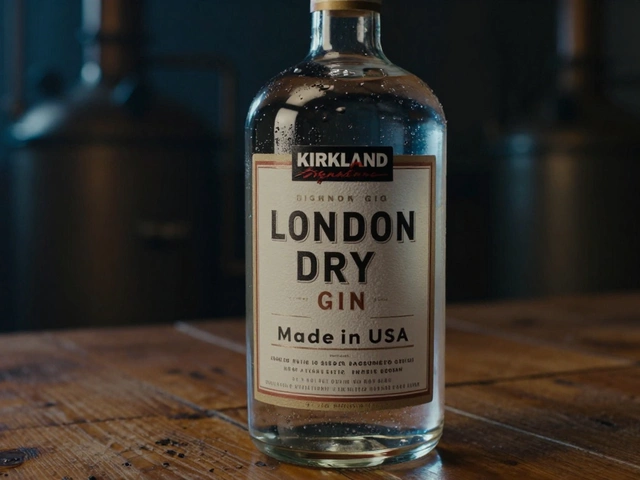
You don’t need a $200 bottle of Cognac for this. In fact, using top-shelf spirits in a punch where they get diluted and mixed with juice is a waste of money. You want something with character but not subtlety. For the rum, go for a mid-range dark Jamaican or Barbadian rum. These rums have funk-esters that smell like banana and overripe fruit-which pairs beautifully with peach. Avoid white rum unless you’re doing a very specific tropical variation; it lacks the body to stand up to the other ingredients.
The cognac component is where people get nervous. If you swap cognac for bourbon, you’ve moved from a French-inspired profile to an American Southern one. This works surprisingly well because bourbon’s vanilla and caramel notes complement the peach. However, if you use a cheap, harsh bourbon, the alcohol burn will dominate. Look for a wheated bourbon (like Maker’s Mark) which is softer, or a standard Kentucky straight bourbon. If you prefer to stay closer to tradition, any VS or VSOP grade brandy will do. Just ensure it’s aged; young brandies taste like nail polish remover when mixed with citrus.
Peach brandy is the soul of the drink. If you can find authentic Peach Brandies (plural), buy it. It’s distilled from peaches, not just flavored vodka. It has a dry, fruity finish. If you can’t find it, substitute with apricot liqueur (like Rothman & Winter Orchard Apricot) for a richer, less sugary profile, or use a high-quality peach schnapps if you want a sweeter, easier-drinking version. Avoid "peach flavoring" syrups-they lack the alcoholic backbone needed to integrate with the rum and brandy.
The Acid and Sweet Balance
This is where most home bartenders fail. They squeeze lemons directly into the punch bowl and add granulated sugar. Don’t do this. Granulated sugar doesn’t dissolve well in cold liquid, leaving gritty crystals at the bottom. And squeezing lemons last-minute means the oils from the zest haven’t had time to infuse, and the juice hasn’t oxidized slightly to mellow out.
Make a rich simple syrup. Use a 1:1 ratio of sugar to water by weight. Heat it until dissolved, then let it cool completely. Why 1:1? Because Fish House Punch is already strong. A 2:1 syrup might make it too viscous. For a variation, try swapping half the simple syrup for honey syrup (1:1 honey to warm water). Honey pairs exceptionally well with bourbon and peach, adding an earthy layer that plain sugar misses. Or, use agave nectar if you want a lighter mouthfeel.
For the acid, fresh lemon juice is non-negotiable. Bottled juice tastes metallic and flat. Squeeze your lemons a few hours ahead of time. Letting the juice sit allows some of the sharp citric acid to soften, resulting in a rounder flavor. If you want a variation, try splitting the acid between lemon and lime. Lemon provides the aromatic zing, while lime adds a sharper, cleaner bite. A 70/30 lemon-to-lime split usually maintains the traditional profile while adding brightness.
Mixing and Mashing Techniques
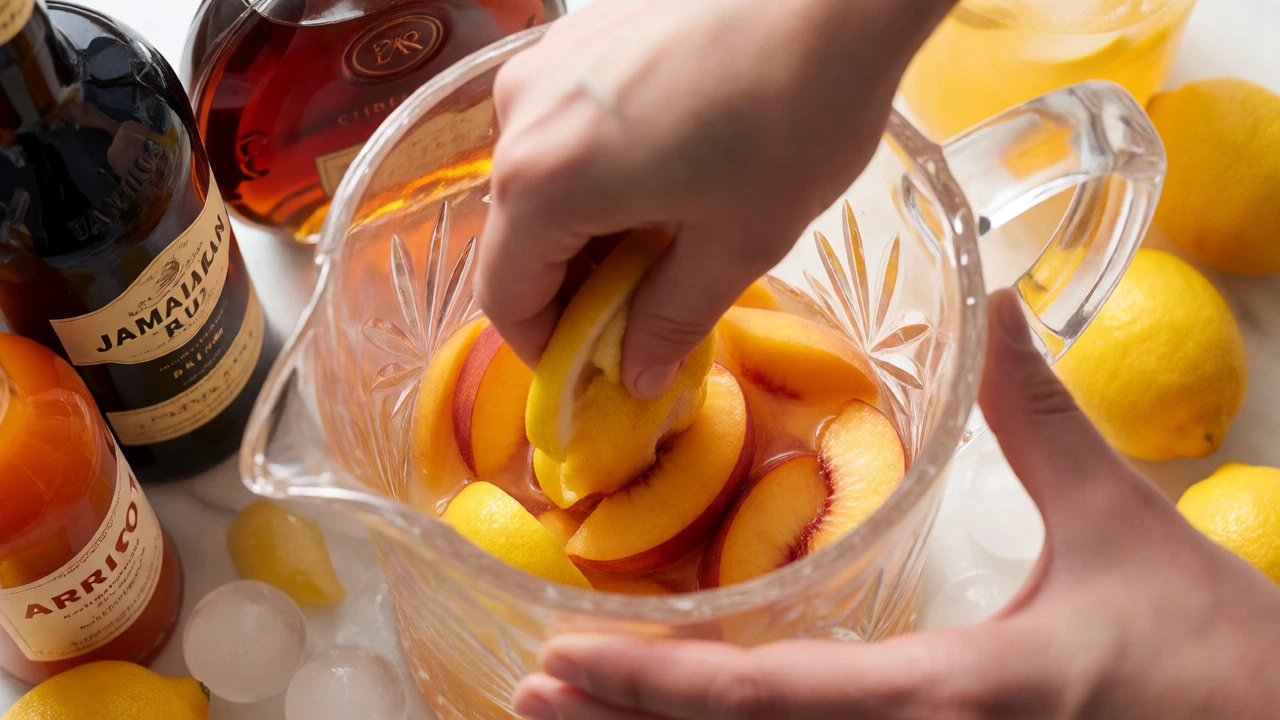
Here is the secret weapon of punch making: muddling. Before you pour your liquids, take your peaches (if using fresh) or even just the lemon peels and muddle them gently in the bottom of your punch bowl or pitcher. You aren’t trying to turn them into mush; you’re bruising them to release essential oils and juices. If you are using fresh stone fruits, pit and slice them, then muddle lightly. This integrates the fruit flavor directly into the base rather than having it float on top.
Once your base ingredients (rum, brandy, peach liqueur, syrup, juice) are combined, stir vigorously. Do not shake. Shaking introduces air bubbles, which make the punch look cloudy and alter the texture. Stirring keeps it clear and silky. After stirring, taste it. This is crucial. Punches vary wildly depending on the acidity of your lemons and the sweetness of your rum. If it tastes hot (burning throat), add more acid or dilute with water. If it tastes flat, add a splash more lemon or a pinch of salt. Yes, salt. A tiny pinch enhances the fruit flavors without making the drink salty.
Now, the waiting game. Cover the mixture and refrigerate it for at least four hours, preferably overnight. During this time, the alcohol molecules bind with the water and sugar molecules. The harsh edges of the ethanol disappear. When you come back to it the next day, it will taste smoother and more cohesive. This is why pre-batching is superior to mixing to order.
Variations for Every Palate
Not everyone likes the heavy, boozy nature of the classic. Here are three variations that keep the spirit of the drink but change the experience.
- The Sparkling Refresh: Reduce the total alcohol content by 20%. Instead of adding still water to dilute, top the punch with chilled sparkling water or club soda right before serving. This adds effervescence, making it feel lighter and more refreshing on a hot Sydney afternoon. Garnish with long strips of lemon peel.
- The Spicy Kick: Infuse your simple syrup with jalapeño or ginger. Slice two jalapeños (seeds in for heat, out for flavor) and steep them in the hot syrup for 15 minutes. Strain before mixing. The heat complements the peach and rum, creating a complex finish that lingers pleasantly. This works particularly well if you swapped the cognac for tequila blanco instead of bourbon.
- The Tea-Infused Twist: Brew a strong black tea (like Earl Grey or Assam) and use it as the diluting agent instead of water. Cool the tea completely. Replace half the water quantity with this tea. The tannins in the tea mimic the oakiness of the cognac, adding structure. This is a great option for those who find the original too sweet.
Serving and Presentation
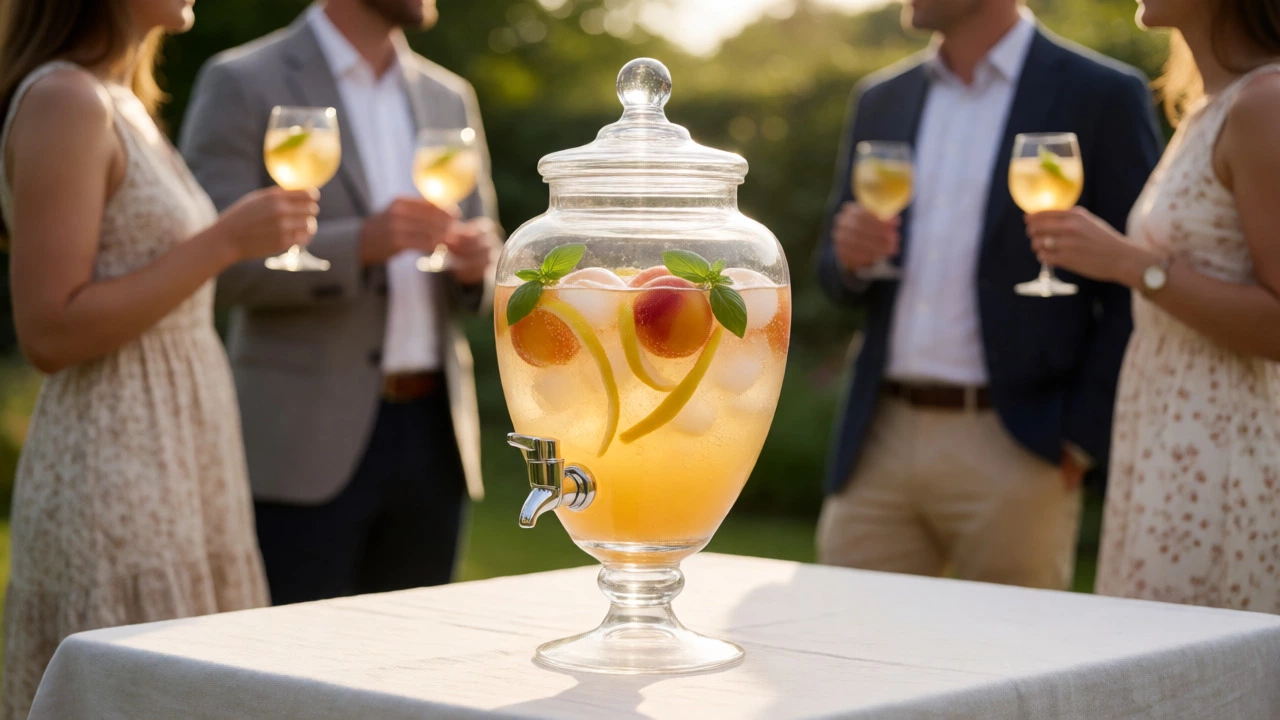
Fish House Punch is a communal drink. It demands a large vessel. A glass punch bowl is ideal because it allows guests to see the color-a beautiful amber-gold. If you don’t have a bowl, a large beverage dispenser with a spigot works fine. Ice is tricky. Too much ice melts quickly and waters down the drink. Too little, and it’s too warm. Use large ice cubes or spheres. They melt slower. Alternatively, freeze some of the punch itself into ice cubes beforehand. As these melt, they dilute the drink with more punch, not water.
Garnishes should be functional, not just decorative. Float whole peaches or apricots on top. They absorb some of the alcohol and become boozy treats themselves. Add sprigs of mint or basil. Basil, in particular, pairs wonderfully with peach and lemon. Avoid dried garnishes; they look dusty and offer no aroma. Fresh herbs release their scent when guests lean in to drink, enhancing the sensory experience.
Troubleshooting Common Issues
If your punch tastes too weak, you likely added too much water or ice during the chilling phase. Next time, chill the ingredients separately and combine them cold. If it tastes too sweet, you underestimated the acidity of your lemons. Add a splash of grapefruit juice-it’s bitter enough to cut sugar but fruity enough to blend in. If it tastes medicinal, your brandy was too young or harsh. Blend it with a higher quality spirit or add more fruit puree to mask the alcohol bite.
Remember, this is a living drink. It evolves as it sits. Taste it every hour. Adjust as you go. Bartending isn’t just following a formula; it’s adjusting to what’s in front of you. By understanding the core components-the base spirit, the fortifier, the fruit, the acid, and the sweetener-you can create endless variations that honor the history of this iconic American cocktail while suiting your own taste.
Is Fish House Punch really that strong?
Yes, the traditional recipe is quite potent, often exceeding 25% ABV. It is easy to drink because the fruit and sugar mask the alcohol, leading to accidental overconsumption. Always serve it with plenty of ice and consider offering water alongside it.
Can I make Fish House Punch without peach brandy?
You can, but you lose the signature floral note. Substitute with apricot liqueur for a similar stone-fruit profile, or use a high-quality peach schnapps if you prefer a sweeter drink. Avoid generic peach flavorings.
How long does Fish House Punch last in the fridge?
Unmixed, the base ingredients last indefinitely. Once mixed with fresh juice and water, it stays fresh in the refrigerator for up to 3 days. After that, the citrus may start to degrade and taste bitter.
What food pairs best with this cocktail?
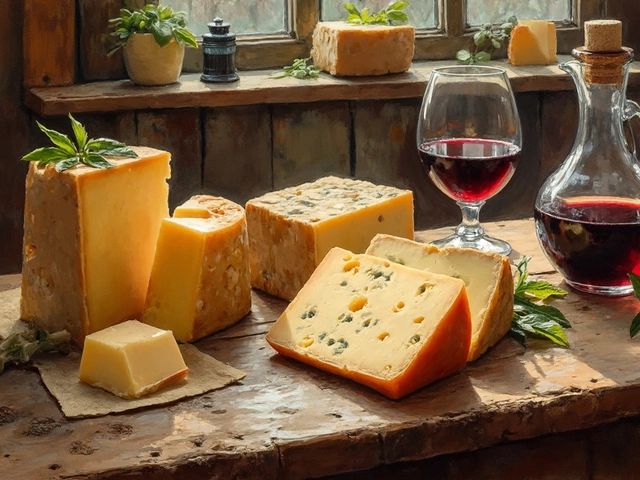
Rich, savory foods balance the sweetness and acidity. Think grilled meats, BBQ ribs, fried chicken, or creamy cheeses like Brie. The drink also pairs well with desserts featuring stone fruits, such as peach cobbler.
Can I prepare the punch in advance for a party?
Absolutely. In fact, preparing it 12-24 hours in advance is recommended. This allows the flavors to marry and the harshness of the alcohol to mellow. Just add ice and garnishes right before serving.