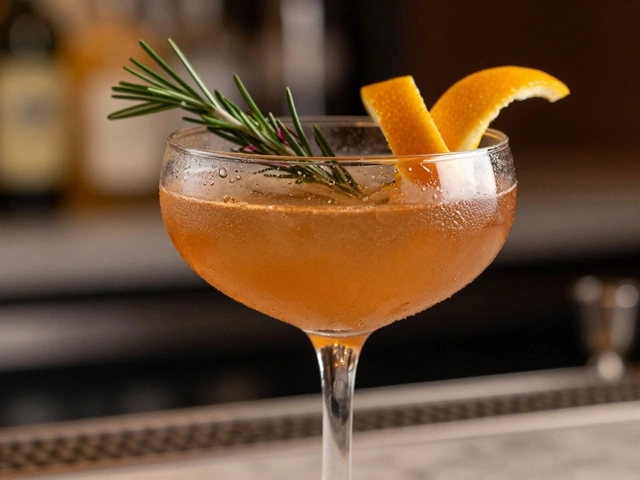
There is a moment in every home bartender’s journey when they stop chasing the loudest party drinks and start looking for something with a bit more soul. You want a drink that tastes like it belongs in a quiet corner of a speakeasy, not just on a crowded bar counter. That is exactly what the Paper Plane delivers. It is a modern classic, a riff on the old-fashioned sour family, but with a twist that makes it distinctively its own.
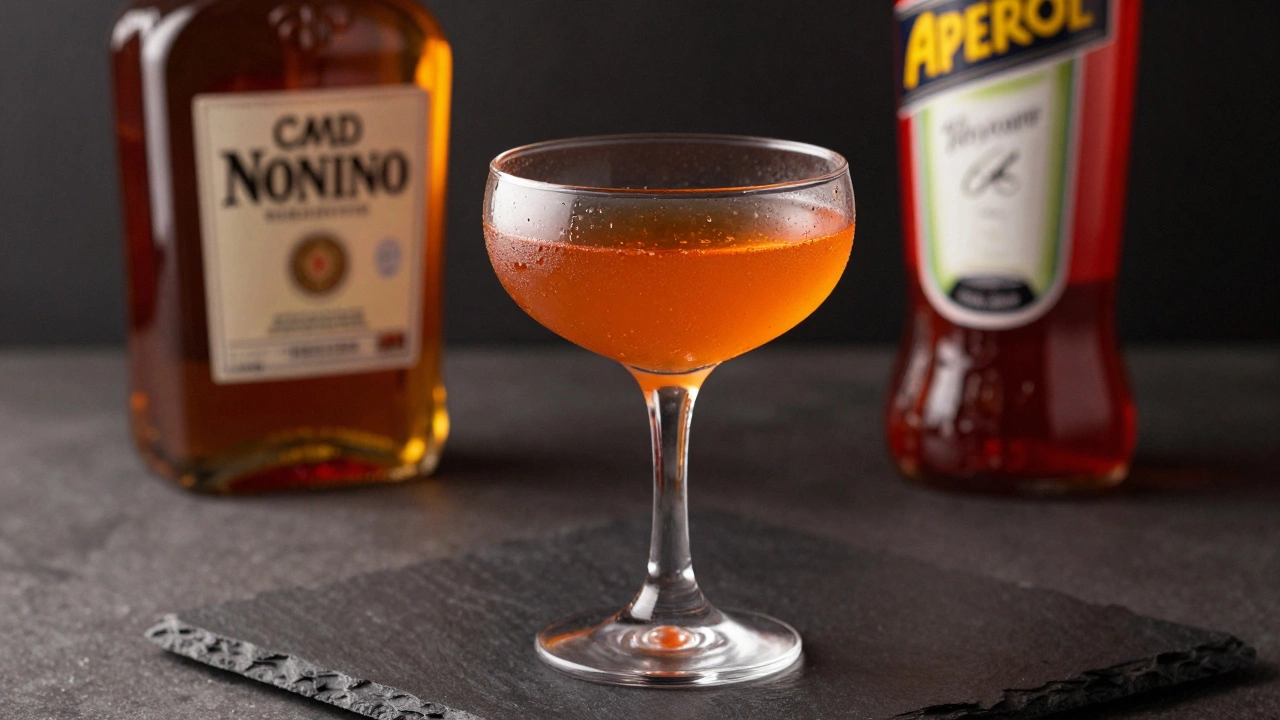
If you have ever tried a Whiskey Sour or an Old Fashioned, you already know the basics. But the Paper Plane takes those familiar notes and adds two Italian ingredients that change everything: Amaro Nonino is a herbal liqueur from Friuli known for its gentle, aromatic profile and Aperol is a bright, bitter-orange aperitif that adds color and citrus zest. The result is a drink that is equal parts sweet, sour, bitter, and boozy. It is balanced so perfectly that one sip often leads to three more before you even realize it.
The Story Behind the Fold
You might wonder why a cocktail named after a child’s toy has such a sophisticated flavor profile. The answer lies in its creator, Sam Ross. In 2008, while working at Milk & Honey in New York City, Ross was experimenting with ratios. He wanted to create a drink that was approachable yet complex, something that could be folded together quickly during a busy shift but still impressed a seasoned palate.
Ross didn’t just pick random bottles. He looked for synergy. Bourbon provides the backbone-vanilla, oak, and warmth. Lemon juice brings the necessary acid to cut through the alcohol. Amaro Nonino adds a layer of herbal complexity without overpowering the mix, thanks to its lower proof compared to other amari. Finally, Aperol introduces a subtle bitterness and a vibrant orange hue that signals "refreshment" to your brain before you even take a sip. This isn't just a recipe; it is a lesson in structural engineering for liquids.
Gathering Your Ingredients: Quality Matters
To make a great Paper Plane, you need four main components. Since there are no garnishes or syrups to hide behind, the quality of each ingredient will show up in the glass. Here is what you need to look for:
- Bourbon: Aim for a mid-range bourbon (80-100 proof). You want something with vanilla and caramel notes. Brands like Buffalo Trace, Woodford Reserve, or Bulleit work well. Avoid ultra-cheap stuff; it will taste harsh when mixed with citrus.
- Fresh Lemon Juice: Do not use bottled juice. It tastes metallic and flat. Squeeze fresh lemons. If you can find Meyer lemons, even better-they are slightly sweeter and less acidic, which pairs beautifully with the amaro.
- Amaro Nonino: This is the secret weapon. It is produced by the Quintini family in Italy. Look for the gold bottle. It has notes of sage, lemon peel, and chamomile.
- Aperol: Keep this chilled if possible. It contributes a bitter orange flavor similar to Campari but much lighter and less intense.
Notice that there is no sugar syrup listed? That is because both Amaro Nonino and Aperol contain sugar. They act as the sweetener in this equation. If you add simple syrup, you will unbalance the drink, making it cloying and heavy. Trust the ratio.
The Golden Ratio: 1-1-1-1
One of the reasons the Paper Plane became a staple in bars worldwide is its simplicity. The original recipe calls for equal parts of all four ingredients. Yes, really. One ounce of each.
| Ingredient | Amount | Role in Drink |
|---|---|---|
| Bourbon | 1 oz (30 ml) | Base spirit / Warmth |
| Lemon Juice | 1 oz (30 ml) | Acid / Brightness |
| Amaro Nonino | 1 oz (30 ml) | Sweetness / Herbal depth |
| Aperol | 1 oz (30 ml) | Bitterness / Color |
This 1:1:1:1 ratio creates a total volume of 4 ounces. For most people, that is a perfect single serving. However, palates vary. If you find it too tart, you can adjust the lemon down to 0.75 oz. If it feels too sweet, bump the lemon up to 1.25 oz. But start with equal parts. It is designed to be harmonious.
Step-by-Step Mixing Instructions
Making this drink is fast, but technique matters. You are building a sour, which means texture and temperature are key. Follow these steps for a smooth, silky finish.
- Chill your glass: Place a rocks glass or a coupe glass in the freezer for 10 minutes, or fill it with ice water while you prep. A cold glass keeps the drink colder longer without diluting it as quickly.
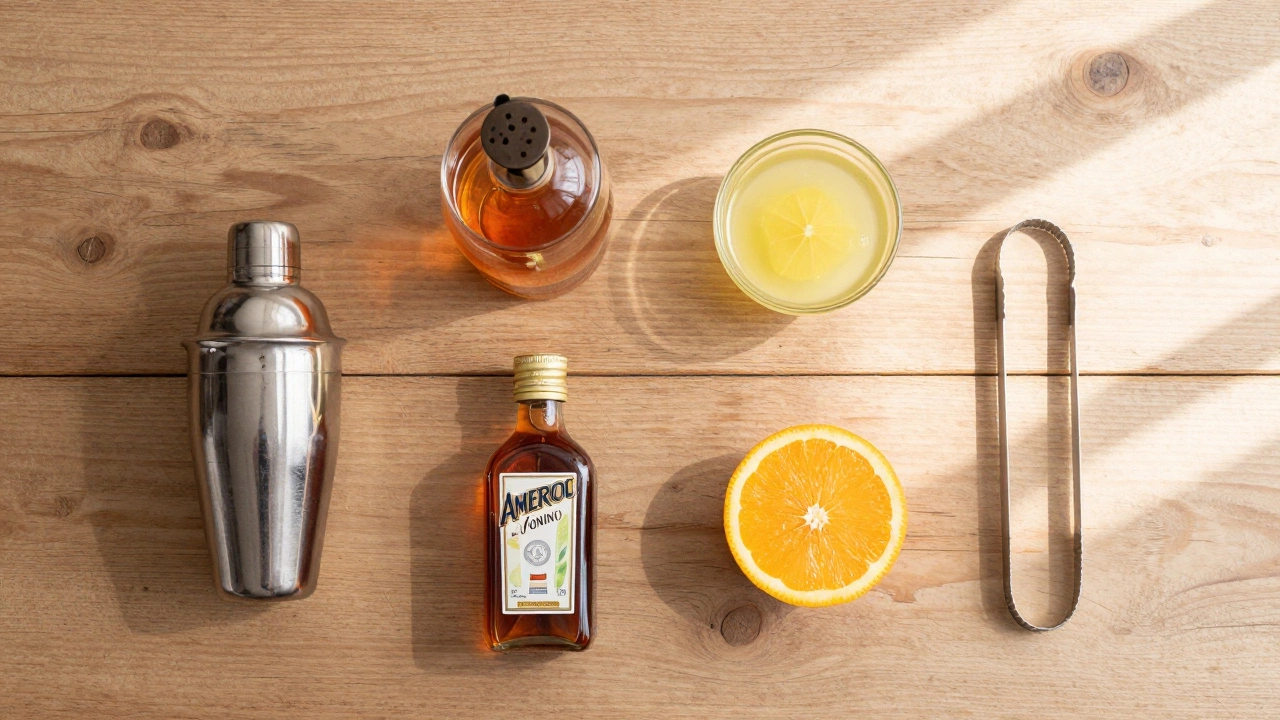
- Combine ingredients: In a shaker tin, add 1 oz of bourbon, 1 oz of fresh lemon juice, 1 oz of Amaro Nonino, and 1 oz of Aperol.
- Add ice: Fill the shaker about halfway with high-quality ice cubes. Larger cubes melt slower, giving you better control over dilution.
- Shake hard: Seal the shaker and shake vigorously for 10-15 seconds. You want the outside of the tin to frost over. This aerates the drink, creating a slight foam on top, and chills it rapidly.
- Strain: Double strain into your chilled glass. Use a Hawthorne strainer to hold back the ice, and if you have a fine mesh strainer, use it too to catch any tiny ice shards or pulp. Serve over a large cube of ice if using a rocks glass, or serve "up" (no ice) in a coupe.
Do not stir after pouring. The shake does all the work. The goal is a uniform temperature and consistency throughout the glass.
Troubleshooting Your Paper Plane
Even with a simple recipe, things can go wrong. Here is how to fix common issues.
It tastes too bitter. This usually happens if your Aperol is warm or if you used too much. Try chilling the Aperol bottle in the fridge before use. Alternatively, reduce the Aperol to 0.75 oz and increase the Amaro Nonino to 1.25 oz. The Nonino is sweeter and rounder, which will soften the edge.
It tastes too sour. Fresh lemon varies in acidity. If your lemons are particularly sharp, the 1 oz of juice might dominate. Reduce the lemon to 0.75 oz. You can also add a teaspoon of honey syrup (1 part honey to 1 part hot water) to mellow it out, though purists prefer adjusting the citrus amount.
It tastes watery. This is a sign of over-dilution. Shake faster and shorter. Use larger ice cubes. And don’t let the drink sit in the shaker after shaking. Pour it immediately.
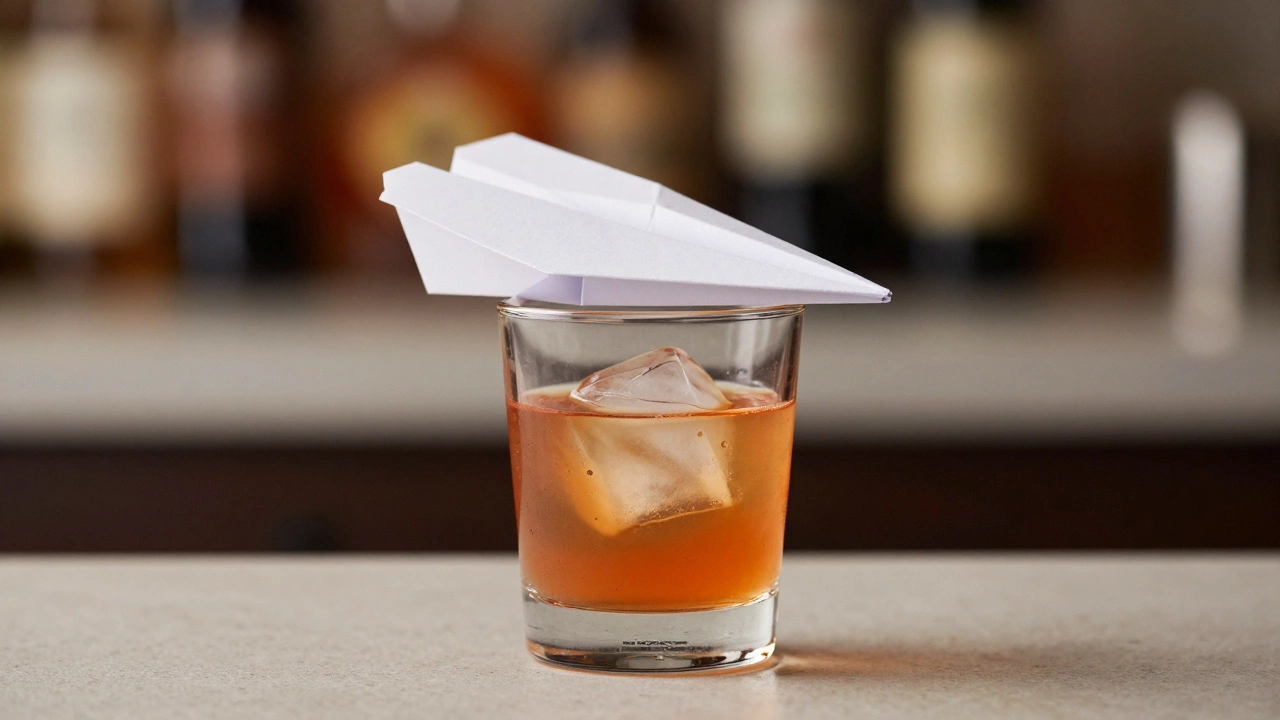
Variations for Different Tastes
Once you master the classic, you can start playing. The Paper Plane is a flexible framework. Here are three popular variations.
The Rye Paper Plane: Swap the bourbon for rye whiskey. Rye is spicier and drier than bourbon. This version will taste sharper and more aggressive. It works well if you prefer a less sweet drink. Just be aware that the vanilla notes will disappear, replaced by black pepper and rye grain flavors.
The Smoky Paper Plane: Use mezcal instead of bourbon. This adds a campfire smoke element that contrasts interestingly with the bright citrus and herbal amaro. It turns the drink into a heavier, evening-style sipper. Use half mezcal, half bourbon if full mezcal is too intense.
The Green Paper Plane: Replace the Aperol with Cynar (an artichoke-based amaro) or Chartreuse. This changes the color to green and the flavor profile to more vegetal and herbal. It is an acquired taste but fascinating for adventurous drinkers.
Serving Suggestions and Pairings
The Paper Plane is versatile enough to fit several occasions. Because it is served cold and has a refreshing citrus kick, it works well as an aperitif before dinner. The bitterness stimulates the appetite, while the alcohol content provides a gentle warmth.
If you are pairing it with food, think about dishes that complement herbal and citrus notes. Grilled fish with a lemon butter sauce works beautifully. Roasted chicken with rosemary and thyme mirrors the herbs in the Amaro Nonino. Even a plate of sharp cheeses like aged cheddar or gouda stands up well to the bourbon and bitterness.
Avoid pairing it with overly spicy foods. The heat from chili peppers will clash with the alcohol burn and the citrus acid, creating an unpleasant sensation in the mouth. Stick to savory, roasted, or grilled flavors.
Why This Cocktail Endures
In a world of trending cocktails that fade after a season, the Paper Plane has stuck around for nearly two decades. Why? Because it respects the drinker. It doesn’t try to impress you with fancy techniques or obscure ingredients. It relies on balance. It shows you that four simple ingredients, when chosen carefully and measured precisely, can create something greater than the sum of their parts.
Next time you are hosting friends or just want a nightcap that feels special, reach for these four bottles. Fold them together in a shaker, and watch how easily complexity emerges from simplicity. It is a paper plane that actually flies.
Can I make a Paper Plane without Amaro Nonino?
Yes, but the flavor will change. Amaro Nonino is unique because it is light and herbal. If you don't have it, you can substitute with another mild amaro like Averna or Montenegro. Avoid strong, dark amari like Fernet-Branca, as they will overpower the delicate balance of the drink. You might also try a small amount of sweet vermouth, though it lacks the herbal complexity.
What is the best type of glass for a Paper Plane?
A coupe glass or a Nick & Nora glass is traditional for serving sours "up" (without ice). This showcases the beautiful orange color and allows you to smell the aromatics. However, many bartenders serve it over a large ice cube in a rocks glass (old-fashioned glass). This is preferred if you plan to drink it slowly, as the ice keeps it cold without watering it down too quickly.
Is the Paper Plane a sweet or sour drink?
It is a balanced sour. It falls into the category of "modern sours," which include drinks like the Negroni Sbagliato or the Boulevardier. It has noticeable sweetness from the Aperol and Amaro Nonino, but the fresh lemon juice ensures it finishes crisp and clean. It is not sugary like a rum punch, nor is it dry like a martini.
Can I batch Paper Planes for a party?
Absolutely. To batch, multiply the 1-1-1-1 ratio by the number of servings you need. Mix all ingredients in a large pitcher or beverage dispenser. Chill the mixture thoroughly in the refrigerator for at least an hour. When ready to serve, shake individual portions with ice to chill and aerate them, then strain into glasses. Do not pre-mix with ice, as it will become too diluted.
What is the difference between a Paper Plane and a Whiskey Sour?
A traditional Whiskey Sour uses bourbon, lemon juice, and sugar syrup (and sometimes egg white). The Paper Plane replaces the sugar syrup with Amaro Nonino and Aperol. This adds layers of herbal and bitter flavors that a standard Whiskey Sour lacks. The Paper Plane is more complex, less sweet, and has a distinctive orange color compared to the pale yellow of a Whiskey Sour.