Tito's Vodka Origin Quiz
How well do you know the truth behind America's most popular craft vodka? Take this quick quiz to separate fact from fiction.
1. Where is Tito's Handmade Vodka actually produced?
2. What is the primary ingredient used to make Tito's?
3. Why is Tito's considered gluten-free?
4. How does Tito's flavor profile typically compare to traditional Russian vodkas like Russian Standard?
5. Is Tito's truly "handmade" in small artisanal batches?
Quiz Complete!
0 / 5 Correct
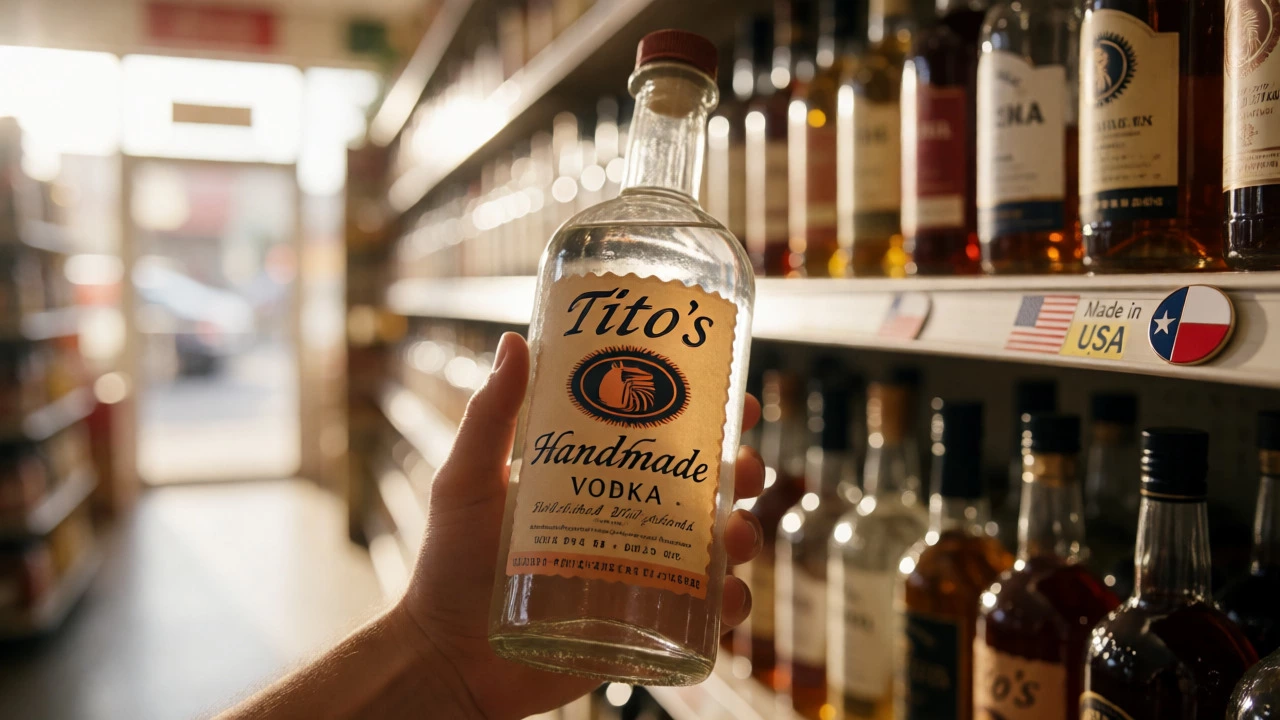
You’re standing in the liquor aisle, holding a bottle of Tito’s Handmade Vodka, and you’re wondering if it’s actually Russian. It’s a fair question. When we think of vodka, our brains often jump straight to Russia or Poland. But here is the short answer: No, Tito’s is not Russian vodka. It is an American brand, born and bottled in Austin, Texas.
So why does this confusion exist? Probably because vodka has such strong historical ties to Eastern Europe that any clear, neutral spirit feels like it must come from there. Or maybe you’ve heard people compare it to brands like Smirnoff or Stolichnaya, which have Russian roots but are now made elsewhere. Let’s clear up the mystery once and for all. We’ll look at where Tito’s comes from, how it’s made, and how it stacks up against actual Russian vodkas.
The Real Birthplace of Tito’s
If you want to trace the DNA of Tito’s, you need to go to Austin, Texas, not Moscow. The story starts with Bert “Tito” Beveridge, a guy who just wanted to make better vodka for his friends in the early 1990s. He wasn’t trying to replicate a Russian tradition; he was experimenting with infusions in his kitchen.
In 1995, Beveridge did something pretty significant: he secured the first legal distilling permit in the state of Texas. This wasn’t just about making booze; it was a regulatory milestone. Two years later, in 1997, he launched Tito’s Handmade Vodka commercially. From day one, the identity was American. The label doesn’t hide its origins-it proudly states it is distilled and bottled by Fifth Generation Inc. in Austin, Texas, on the very same land where the venture started.
This isn’t some obscure fact buried in fine print. It’s central to their brand. They call themselves “America’s Original Craft Vodka.” So, if you see someone claiming Tito’s is Russian, they’re either mistaken or confusing it with other brands that use Russian-sounding names but produce elsewhere.
Corn vs. Grain: Why Ingredients Matter
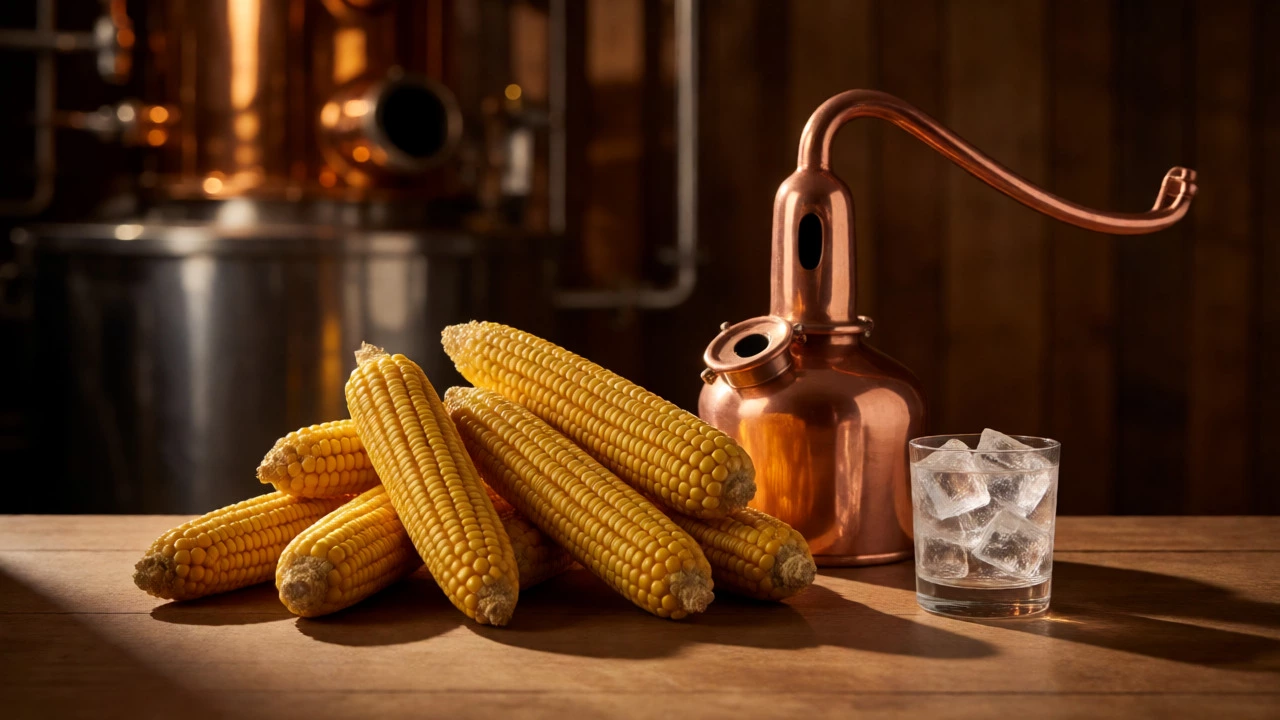
One of the biggest giveaways that Tito’s isn’t Russian is what it’s made from. Traditional Russian vodkas, like Russian Standard, typically rely on wheat or rye. These grains give the vodka a specific character-often described as having a slight sweetness or a distinct mouthfeel that Russians have perfected over centuries.
Tito’s takes a different path. It is distilled from yellow corn. This choice is deliberate and serves two purposes:
- Gluten-Free Status: Because it’s corn-based, Tito’s is naturally gluten-free. While distillation removes most gluten proteins from grain vodkas anyway, starting with corn makes it a safer bet for those with celiac disease or high sensitivity.
- Flavor Profile: Corn gives Tito’s a lighter, smoother taste compared to the sometimes sharper bite of rye-based vodkas. It’s designed to be clean and neutral, making it perfect for mixing.
This ingredient difference alone separates it from the classic Russian profile. If you’re looking for that traditional grain-forward taste associated with Eastern European spirits, Tito’s won’t give it to you. It’s an American interpretation of vodka, focused on smoothness and accessibility.
The "Handmade" Myth: How Is It Actually Made?
Here’s where things get a bit tricky. The name says “Handmade,” and the marketing talks about “old-fashioned pot stills.” Does that mean every bottle is crafted by hand in small batches? Not exactly.
Industry experts, including those at VinePair, have pointed out that at Tito’s current scale, true handmade production is practically impossible. Tito’s is huge. It’s one of the top-selling vodkas in the United States. To meet that demand, they likely use large-scale column stills to produce the base spirit. Some reports suggest this base spirit might even be produced in states like Iowa or Illinois before being trucked back to Austin for finishing and bottling.
Does this make it fake? No. It just means “handmade” is more of a branding term than a literal description of the entire process. The distillation happens in Texas, and the quality control is tight. But don’t expect the artisanal, small-batch variability you’d find from a tiny craft distillery. Tito’s consistency is its superpower. You know exactly what you’re getting every time, which is great for bartenders but less exciting for purists seeking unique terroir.
Tito’s vs. Actual Russian Vodkas
Let’s put Tito’s side-by-side with a genuine Russian vodka to see the differences clearly. We’ll compare it to Russian Standard, which is actually produced in Russia and adheres to Russian standards.
| Feature | Tito’s Handmade Vodka | Russian Standard |
|---|---|---|
| Origin | Austin, Texas, USA | Moscow Oblast, Russia |
| Main Ingredient | Yellow Corn | Winter Wheat |
| Distillation Style | Pot Still (Marketing) / Column Stills (Reality) | Traditional Column Stills |
| Flavor Profile | Neutral, Light Sweetness, Smooth | Crisp, Grain Notes, Slightly Sharp |
| Best For | Cocktails, Mixing, Gluten-Free Diets | Sipping, Traditional Martini, Cultural Experience |
As you can see, these are two different products serving slightly different needs. Tito’s is engineered for versatility. It disappears into a cocktail without adding weird flavors. Russian Standard brings its own personality to the glass, which some drinkers love and others find too assertive.
Why People Confuse Tito’s with Russian Brands
If Tito’s is so clearly American, why do people ask if it’s Russian? There are a few reasons.
First, the vodka category itself is dominated by brands with Russian heritage. Smirnoff, for example, was founded in Moscow by Pyotr Smirnov in 1864. Even though Smirnoff is now owned by a British company and produced in various places (including the US), its name screams Russia. Similarly, Stolichnaya sounds Russian, but much of it is produced in Latvia. Consumers often lump all major vodka brands together under the “Russian” umbrella because of history.
Second, vodka is culturally coded as Russian. In movies and literature, vodka is almost always a Russian drink. So when someone sees a clear, colorless spirit, they assume it’s Russian. Tito’s breaks that stereotype by being proudly Texan, but the cultural inertia is strong.
Third, some critics argue that Tito’s uses “craft” language to mask industrial-scale production, similar to how some European brands market mass-produced goods as artisanal. This skepticism can lead people to question the authenticity of the origin, even though the Texas location is well-documented.
How to Enjoy Tito’s Like a Local
Since Tito’s is American, you should treat it like one. Don’t try to sip it neat expecting a complex Russian experience. Instead, lean into its neutrality. It’s the ultimate canvas for cocktails.
Try these simple ways to enjoy it:
- The Classic Vodka Soda: Fill a highball glass with ice, add 2 oz of Tito’s, top with club soda, and squeeze in a lime wedge. It’s crisp, refreshing, and lets the clean taste shine.
- Moscow Mule Twist: Use Tito’s instead of your usual vodka. The corn base pairs surprisingly well with ginger beer and lime, creating a smoother mule than grain-based options.
- Vodka Tonic: Simple, effective, and popular in Australia and the US alike. The lack of harsh burn makes it easy to drink.
Remember, Tito’s is bottled at 40% ABV (80 proof), which is standard. It’s affordable, usually costing between $18 and $22 for a 750ml bottle in the US. That price point makes it a reliable workhorse for home bars.
Frequently Asked Questions
Is Tito’s vodka really handmade?
The term "handmade" is largely a marketing claim. While the brand emphasizes pot-still distillation, industry analysis suggests that due to its massive production volume, Tito’s likely uses large-scale column stills for the primary distillation. The final product is consistent and high-quality, but it is not "handmade" in the literal, small-batch artisanal sense.
What country is Tito’s vodka from?
Tito’s vodka is from the United States. Specifically, it is distilled and bottled in Austin, Texas, by Fifth Generation Inc. It holds the distinction of being produced at the first legal distillery in Texas.
Is Tito’s vodka gluten-free?
Yes, Tito’s is naturally gluten-free because it is made from yellow corn rather than wheat, rye, or barley. While distillation generally removes gluten proteins from grain vodkas, starting with a gluten-free ingredient provides an extra layer of assurance for those with celiac disease or gluten sensitivities.
How does Tito’s compare to Russian Standard?
Tito’s is American and made from corn, offering a neutral, smooth profile ideal for mixing. Russian Standard is Russian-made from winter wheat, offering a crisper, more traditional grain flavor. Tito’s is better for cocktails where you don’t want the vodka to dominate, while Russian Standard is better for sipping or drinks where you want the vodka’s character to shine.
Can I buy Tito’s outside the USA?
Yes, Tito’s is available in many international markets, including Australia, Canada, and parts of Europe. However, availability and pricing can vary by region. It remains primarily an American brand in terms of production and market dominance.