Bartender Knowledge Quiz
Walk into any busy bar in Sydney, New York, or London, and you will notice a pattern. While the decor changes and the music shifts, the core menu remains surprisingly consistent. You might see obscure botanicals on the shelf, but when the rush hits, bartenders reach for the same handful of recipes they have been perfecting for decades. If you are stepping behind the bar for the first time, or just want to understand what separates a pro from an amateur, knowing this "universal language" of drinks is non-negotiable.
So, what exactly do most bartenders know? It isn't just about memorizing random recipes. It is about mastering a specific set of foundational cocktails that appear across professional curricula, industry standards, and daily service realities. From the strict guidelines of the International Bartenders Association (IBA) to the practical advice shared on Reddit by working professionals, there is a clear hierarchy of knowledge. Let's break down the essential repertoire that defines a competent bartender today.
The Core Consensus: The "Big Five" Spirits
If you look at training guides from organizations like National Bartenders or Tripleseat, a distinct overlap emerges. Regardless of whether a list contains seven drinks or forty-four, certain staples always make the cut. These are the high-volume orders that keep a bar running during a Friday night rush. A bartender who cannot quickly and correctly prepare these is not ready for professional service.
| Cocktail Name | Base Spirit | Key Characteristic | Preparation Method |
|---|---|---|---|
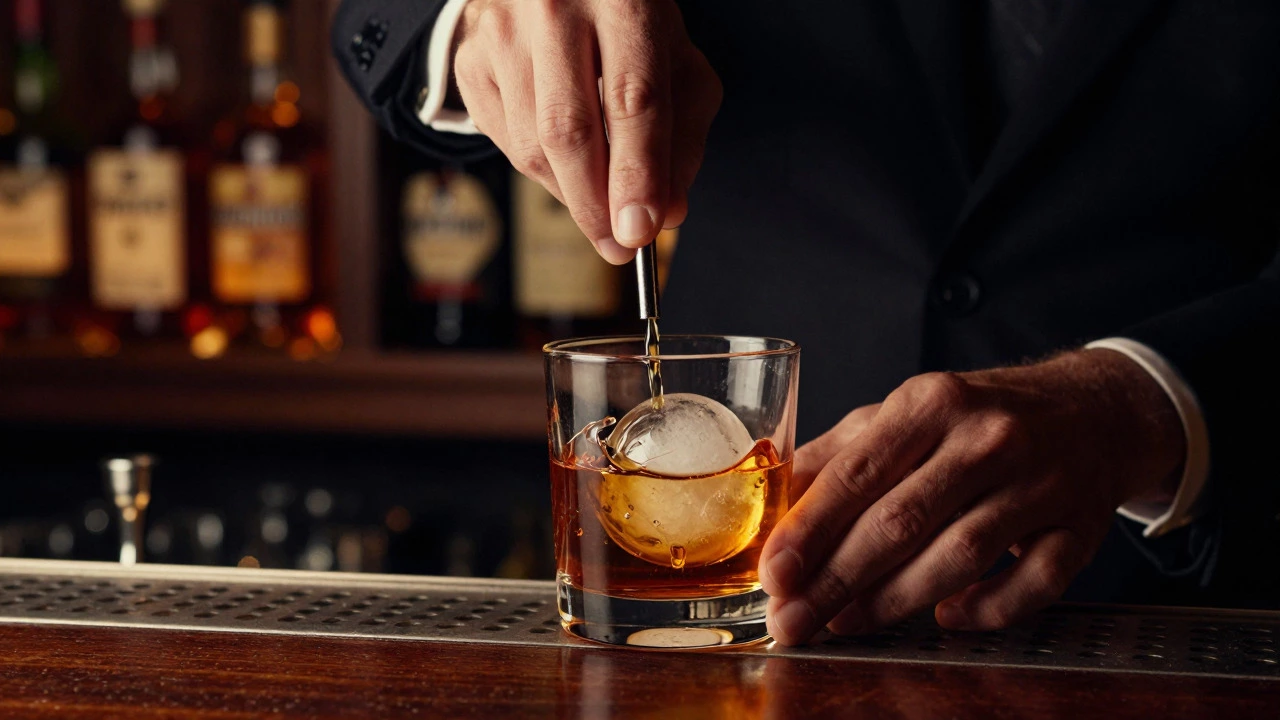
| Old Fashioned | Bourbon or Rye Whiskey | Spirit-forward, bittersweet | Stirred with ice, strained |
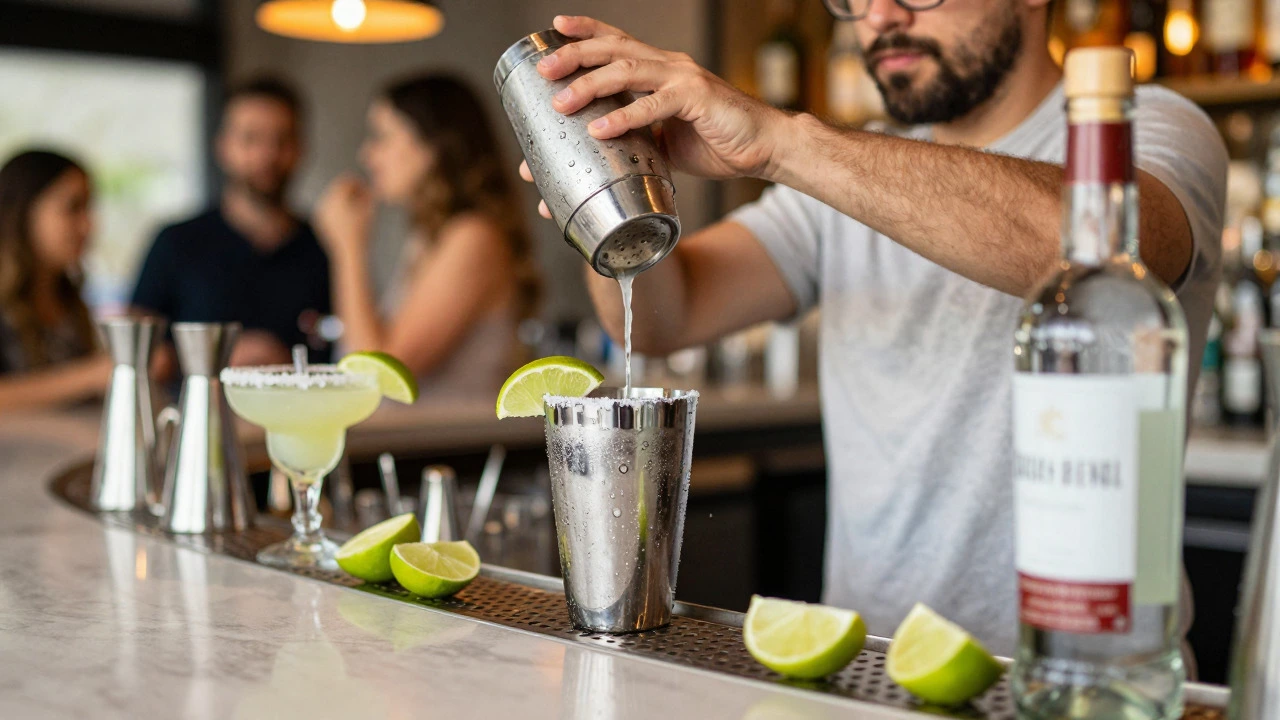
| Margarita | Tequila | Citrusy, salty rim | Shaken with ice, strained |
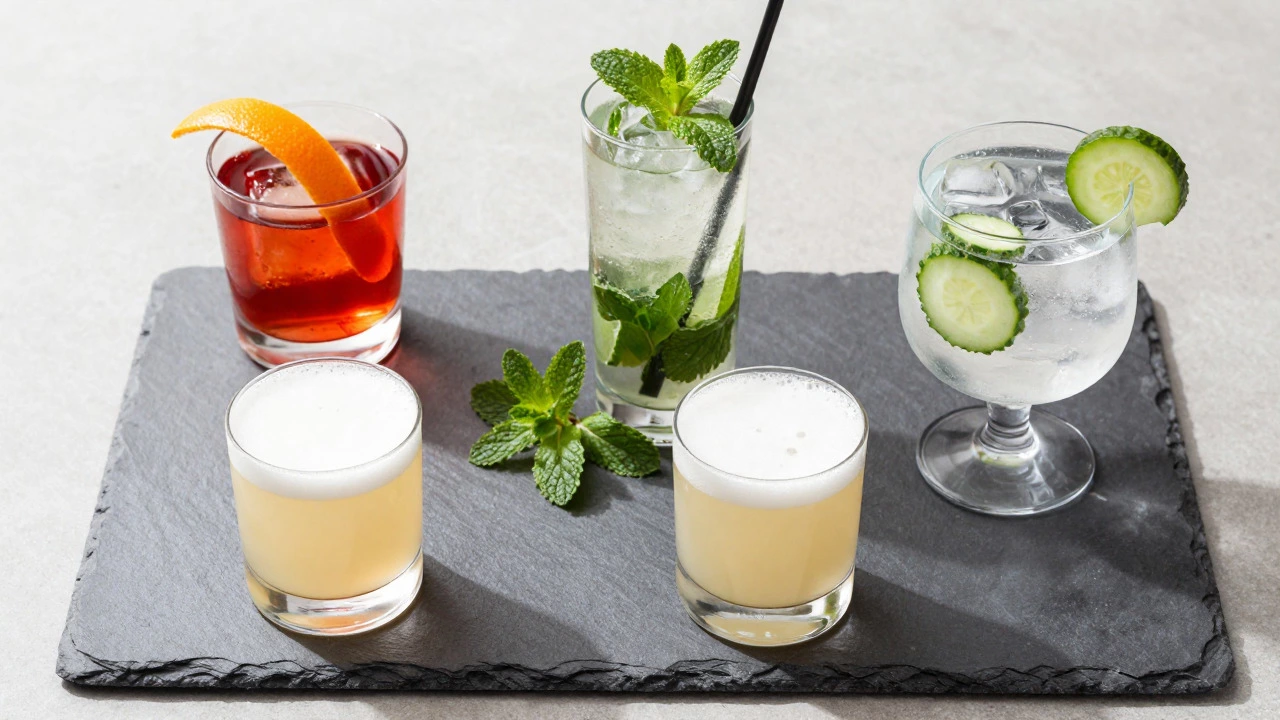
| Negroni | Gin | Bitter, herbal balance | Stirred with ice, served over large cube |
| Mojito | White Rum | Fresh mint, lime, sparkling | Muddled, shaken, topped with soda |
| Whiskey Sour | Whiskey | Tart, smooth texture | Shaken with egg white (optional), strained |
The Old Fashioned is arguably the ultimate test of a bartender's skill. It requires nothing more than whiskey, sugar, water, and bitters, yet it is notoriously difficult to get right. Too much dilution ruins it; too little leaves it harsh. Similarly, the Margarita is a global workhorse. Whether it is a traditional version with tequila blanco and fresh lime juice or a modern twist like Tommy's Margarita using agave nectar instead of triple sec, the ratio of spirit to acid to sweet must be precise. As noted by Thirstybastards, a standard build often follows a 2:1:0.5:0.5 ratio (spirit:lime:orange liqueur:syrup), ensuring consistency every single time.
The IBA Standard: Professional Benchmarking
For those looking at formal education, the International Bartenders Association (IBA) provides the gold standard. Their official list, last updated in May 2026, includes 102 cocktails divided into three categories: Unforgettables, Contemporary Classics, and New Era Drinks. This isn't just a trivia list; it represents a historical timeline of mixology that every serious bartender should study.
The Unforgettables category covers pre-20th-century and early 1900s classics. These include complex drinks like the Ramos Gin Fizz, which requires a vigorous shake to emulsify cream, egg white, and citrus, or the Last Word, which uses equal parts gin, green Chartreuse, maraschino liqueur, and lime juice. Knowing these shows a deep respect for cocktail history. The Contemporary Classics section features mid-to-late 20th-century staples that became global phenomena, such as the Cosmopolitan, Mai Tai, and Moscow Mule. Finally, the New Era Drinks reflect the craft cocktail boom of the late 20th and early 21st centuries, including the Espresso Martini, Paper Plane, and Paloma. The inclusion of the Paloma, a grapefruit and tequila drink popular in Mexico, highlights how regional favorites have entered the global canon.
Highballs and Quick Service Drinks
Not every shift is about stirred spirits and shaken sours. A significant portion of a bartender's day involves highballs-drinks made with a base spirit and a mixer. These are fast, refreshing, and account for a massive volume of sales, especially in warmer climates like Australia.
- Gin and Tonic: Simple, but the choice of tonic water and garnish (cucumber, rosemary, or traditional lime) matters greatly.
- Moscow Mule: Vodka, ginger beer, and lime juice served in a copper mug. It’s a crowd-pleaser that requires no special skills, just speed.
- Long Island Iced Tea: Despite the name, it contains no tea. It is a potent mix of vodka, tequila, gin, rum, and triple sec, balanced with lemon juice and cola. Bartenders often use this as a template to create variations like the Long Beach (vodka only) or Adios Motherfucker (tequila only).
- Aperol Spritz: With Aperol, prosecco, and soda water, this has become a ubiquitous aperitif worldwide. Its simplicity belies its popularity.
Knowing these drinks allows a bartender to manage ticket times effectively. If a guest orders a Gin and Tonic, it should take less than thirty seconds from order to pour. Efficiency is just as important as creativity in a professional setting.
Regional Variations and Niche Knowledge
While the core list is universal, local context adds layers to a bartender's repertoire. In Sydney, for example, you might encounter more emphasis on Australian spirits and local botanicals. However, even here, the classics hold their ground. A bartender in a sports bar needs to know Jägerbombs and Irish Car Bombs, while a craft cocktail lounge expects mastery of the Sazerac or the Hanky Panky. The difference lies in the venue's demographic and menu focus.
Reddit discussions among bartenders often highlight this divide. One thread from October 2024 emphasized that failing to know staples like the Manhattan or Daiquiri leads to frustrated guests and slow service. Another discussion pointed out that niche drinks like the Zombie or Hurricane are impressive but rarely ordered frequently enough to justify spending hours practicing them before mastering the basics. The consensus is clear: master the top 20-30 high-frequency drinks first, then expand your knowledge based on customer demand and personal interest.
Building Your Repertoire: A Staged Approach
If you are new to bartending, don't try to learn all 102 IBA cocktails overnight. Instead, adopt a staged approach recommended by industry trainers:
- Level 1 (The Basics): Master 7-10 core drinks. Focus on Old Fashioned, Negroni, Margarita, Mojito, Whiskey Sour, Martini, and Gin and Tonic. Learn the ratios and techniques cold.
- Level 2 (The Expansion): Add 10-15 more drinks, including Bloody Mary, Cosmopolitan, Mai Tai, Espresso Martini, and Moscow Mule. Understand the role of different spirits and modifiers.
- Level 3 (The Specialist): Dive into the IBA Unforgettables and New Era drinks. Learn complex recipes like the Ramos Fizz or the Paper Plane. Experiment with house-made syrups and bitters.
This progression ensures you can handle any shift confidently while gradually building the depth of knowledge that distinguishes a seasoned professional from a novice. Remember, the goal isn't just to know the recipe-it's to execute it flawlessly, consistently, and efficiently, every single time.
How many cocktails should a beginner bartender know?
Aim to master 10 to 15 core cocktails initially. Focus on high-volume staples like the Old Fashioned, Margarita, Negroni, and Mojito. Once these are second nature, expand to 30-40 drinks to cover most common requests.
What is the IBA cocktail list?
The International Bartenders Association (IBA) maintains an official list of 102 cocktails categorized into Unforgettables, Contemporary Classics, and New Era Drinks. It serves as a global standard for professional bartenders.
Why is the Old Fashioned considered essential?
The Old Fashioned tests a bartender's ability to balance simple ingredients without hiding behind mixers. It requires precise stirring, proper dilution, and an understanding of bitters, making it a fundamental skill builder.
Are regional cocktails important for bartenders?
Yes, especially if you work in a specific locale. For example, knowing the Paloma is crucial in Mexican-inspired bars, while the Caipirinha is essential in Brazilian venues. However, the global classics remain the priority for general employment.
What is the difference between shaking and stirring?
Stirring is used for spirit-forward drinks (like Martinis and Old Fashioneds) to chill and dilute gently without aerating. Shaking is used for drinks with citrus, dairy, or egg whites (like Margaritas and Whiskey Sours) to emulsify ingredients and achieve a colder temperature faster.