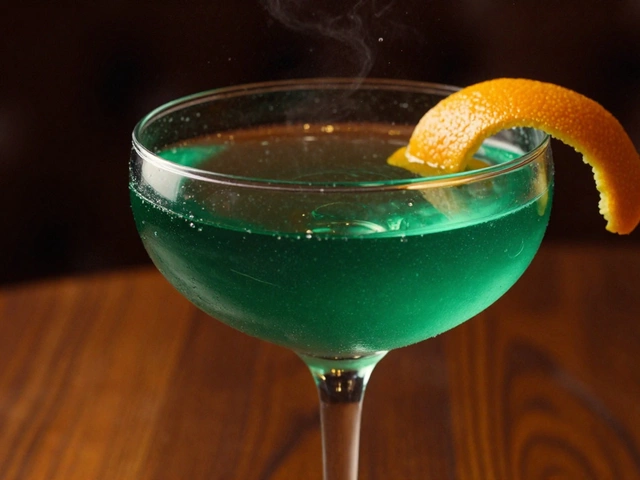
There is a specific moment when you take your first sip of a classic Sazerac, and it hits you. The anise bite from the absinthe rinse fades into the background, leaving behind the warmth of rye whiskey and the sharp sting of Peychaud’s bitters. It is a New Orleans staple, a drink that defines history. But what happens when you swap out the American grain spirit for something entirely different? You get a Tequila Sazerac.
This isn't just a random substitution. It is a deliberate move to create a darker, smokier, and more complex profile. While the traditional Sazerac relies on the spicy kick of rye, this variation uses the earthy depth of tequila to build a bridge between two distinct spirits cultures. If you have ever wondered how to make a Tequila Sazerac cocktail that respects the original structure while offering something new, you are in the right place.
Why Swap Rye for Tequila?
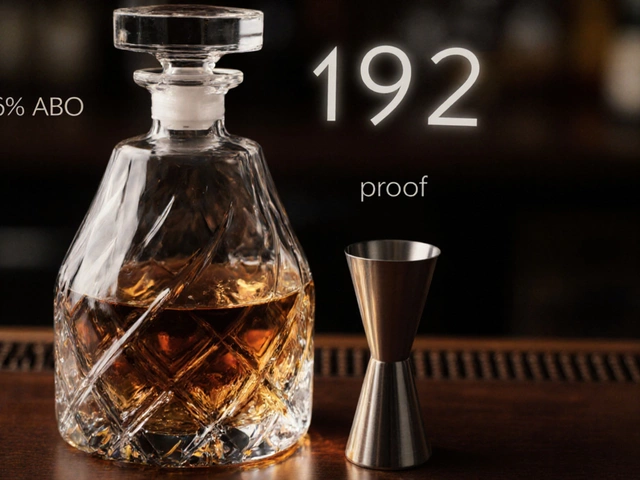
The traditional Sazerac is built on a foundation of rye whiskey. Rye provides a peppery heat that cuts through the sweetness of the sugar cube. When you introduce tequila, specifically reposado or añejo, you change the texture and flavor profile completely. Reposado tequila has been aged in oak barrels for at least two months, giving it vanilla and caramel notes that mirror the sweetness of the sugar but with a distinct agave backbone.
Think about the flavor compounds. Rye offers high-frequency spice. Tequila offers mid-range earthiness and low-end wood tones. By making this switch, you are not losing the "Sazerac" identity; you are expanding it. The anise from the absinthe still plays its crucial role as a aromatic garnish, but now it dances with roasted agave instead of fermented grain. This creates a drink that feels heavier, smoother, and incredibly sophisticated.
Essential Ingredients and Tools
To make this cocktail work, precision matters. You cannot use just any bottle off the shelf. Here is what you need to gather before you start shaking or stirring.
- Tequila: Use a high-quality reposado or añejo. Blanco is too harsh and lacks the necessary oak influence to balance the bitters. Look for brands that list 100% blue Weber agave. Avoid "mixto" tequilas, which contain added sugars and can make the drink cloying.
- Absinthe: You only need a splash, about half an ounce, to rinse the glass. Do not skip this. The thujone and other botanicals in absinthe provide the signature aroma that defines the Sazerac family of drinks. If you cannot find absinthe, pastis is a acceptable, though sweeter, alternative.
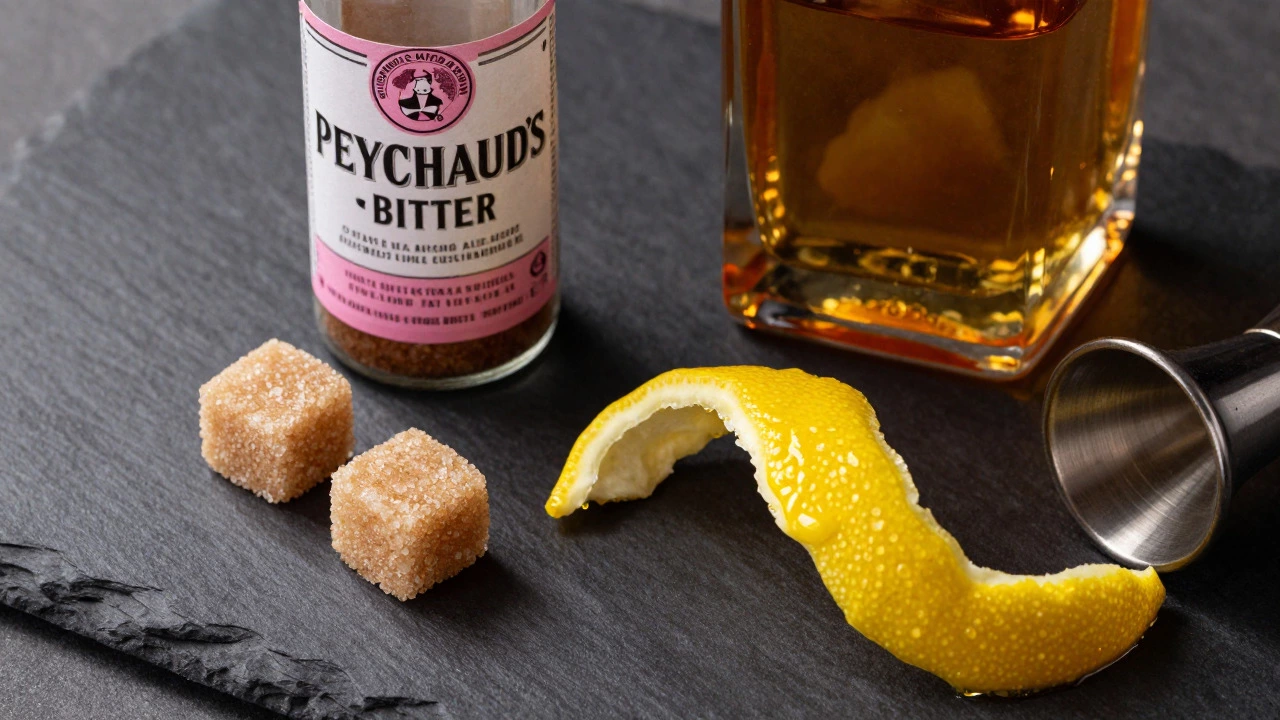
- Peychaud’s Bitters: This is non-negotiable. Angostura bitters will give you a different drink entirely (more like an Old Fashioned). Peychaud’s has a floral, cherry-like quality that pairs perfectly with agave.
- Sugar Cube: Traditionalists use a raw sugar cube dissolved with a few dashes of water. Simple syrup works if you are in a hurry, but the texture of a dissolving sugar cube adds a slight grit that enhances the mouthfeel.
- Lemon Peel: A wide strip of lemon zest, pith removed, expresses oils over the drink. It brightens the heavy agave and anise notes.
- Tools: You will need an old-fashioned glass (also known as a rocks glass), a bar spoon, a jigger for measuring, and a muddler or the back of a spoon to dissolve the sugar.
Step-by-Step Instructions
Making a Tequila Sazerac is less about mixing and more about layering flavors. Follow these steps carefully to ensure the best result.
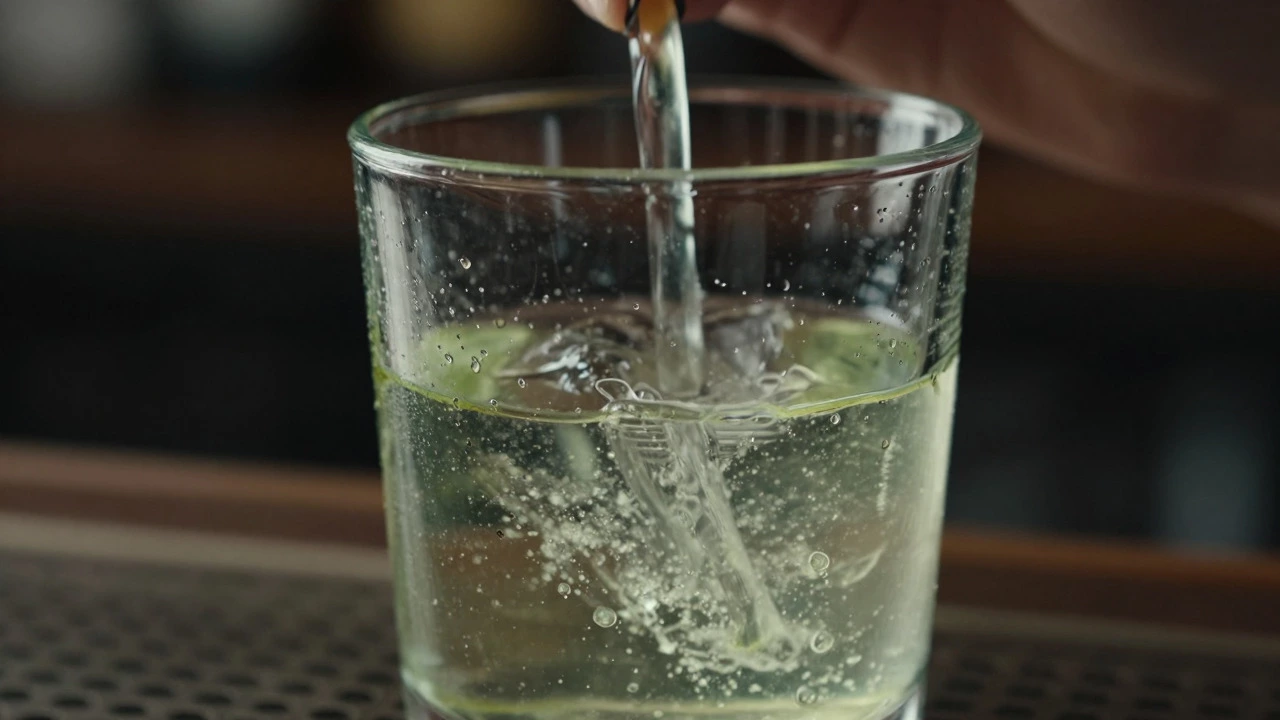
- Rinse the Glass: Pour about half an ounce of absinthe into your chilled old-fashioned glass. Tilt and rotate the glass to coat the entire interior surface. Discard the excess liquid. The goal is to leave a thin film of anise oil on the glass walls. This ensures that every sip starts with that aromatic punch.
- Prepare the Mixing Glass: In a separate mixing glass, place one sugar cube. Add three dashes of Peychaud’s bitters and a tiny splash of plain water. Muddle gently until the sugar is fully dissolved. If using simple syrup, add half an ounce directly to the mixing glass.
- Add the Spirit: Pour two ounces of your chosen reposado or añejo tequila into the mixing glass. Ensure you are using a jigger for accuracy. Too much tequila will overwhelm the bitters; too little will make the drink bitter and unbalanced.
- Chill and Dilute: Add a large handful of ice cubes to the mixing glass. Stir continuously for about 30 to 45 seconds. You want the drink to be very cold but not watered down. Proper dilution is key-it mellows the alcohol burn and integrates the flavors. Watch for condensation on the outside of the glass; when it beads up nicely, you are ready.
- Strain and Serve: Place a julep strainer or Hawthorne strainer over the mixing glass and pour the contents into your absinthe-rinsed serving glass. Leave the ice behind. The drink should be clear and cold.
- Garnish: Take a wide strip of lemon peel. Hold it over the glass with the peel side facing down. Give it a firm twist to express the citrus oils onto the surface of the drink. Rub the peel around the rim of the glass and drop it in. Do not use lime; the acidity profile of lemon complements the floral notes of Peychaud’s better than lime does.
Troubleshooting Common Mistakes
Even experienced bartenders mess up the Sazerac occasionally. Here are the most common pitfalls and how to avoid them.
The Drink Is Too Bitter: If your cocktail tastes overwhelmingly bitter, you likely used too many dashes of bitters or didn't dissolve the sugar completely. Peychaud’s is potent. Stick to three dashes. Also, ensure your sugar is fully integrated before adding the tequila. Undissolved sugar crystals sink to the bottom, leaving the top layers bitter and the bottom overly sweet.
The Absinthe Overpowers Everything: Remember, absinthe is a rinse, not an ingredient. If you pour a full ounce into the glass and discard only half, you are left with a strong anise bomb that masks the tequila. A quarter to half an ounce is sufficient to coat the glass. The aroma should hit you before the taste does.
Using Blanco Tequila: As mentioned, blanco tequila is crisp and grassy. Without the oak aging, it lacks the body to stand up against the rich bitters and sugar. The result is often a thin, disjointed drink. If you only have blanco, consider adding a dash of orange bitters to add complexity, but reposado is always the superior choice for this recipe.
Variations to Explore
Once you master the basic Tequila Sazerac, you can experiment with variations to suit different palates or seasonal ingredients.
| Variation Name | Modification | Flavor Profile Impact |
|---|---|---|
| Smoky Tequila Sazerac | Use Mezcal instead of Tequila | Intense smoke, campfire notes, deeper earthiness. Best for winter evenings. |
| Citrus Forward Sazerac | Add 0.25 oz fresh grapefruit juice | Brighter, more refreshing. Cuts through the richness of añejo tequila. |
| Spicy Tequila Sazerac | Muddle a slice of jalapeño with sugar | Adds heat and freshness. Complements the agave pepper notes. |
| Herbal Sazerac | Replace Peychaud’s with Orange Bitters | Less floral, more citrus-forward. Pairs well with lighter reposado styles. |
Serving Suggestions and Pairings
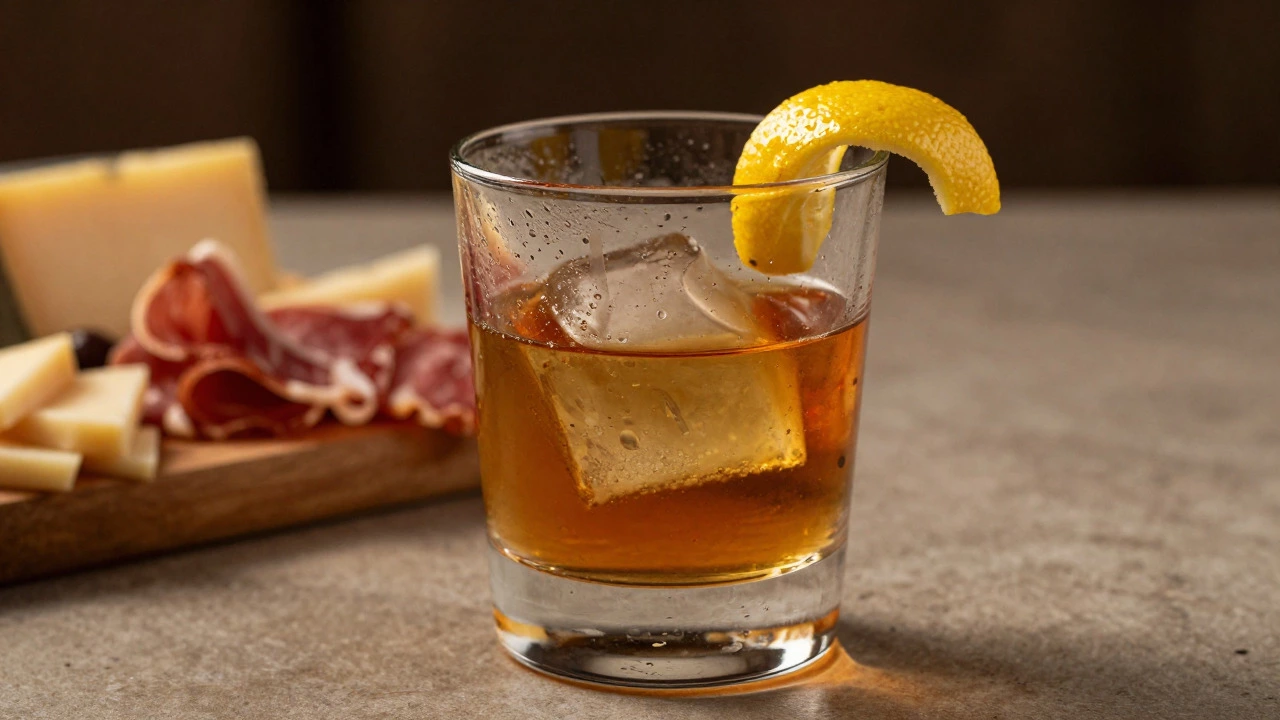
A Tequila Sazerac is a contemplative drink. It is not meant to be chugged. Serve it neat, allowing the drinker to appreciate the evolving flavors. Because of the rich, oaky nature of aged tequila, this cocktail pairs exceptionally well with dark chocolate desserts or strong, aged cheeses like Manchego or Gouda. The salt on the cheese contrasts beautifully with the sweet and bitter elements of the drink.
If you are hosting a dinner party, consider serving this as a pre-dinner aperitif. The anise and bitters stimulate the appetite without overwhelming the palate. For a casual weekend evening, pair it with a charcuterie board featuring cured meats and olives. The fat in the meat coats the tongue, softening the alcohol burn and highlighting the smoothness of the aged tequila.
Frequently Asked Questions
Can I use white tequila for a Sazerac?
You can, but it is not recommended. White (blanco) tequila lacks the oak-aged complexity that balances the strong flavors of absinthe and bitters. The result may taste thin or overly harsh. Reposado or añejo tequilas provide the necessary vanilla and caramel notes to create a harmonious drink.
What if I don't have absinthe?
Absinthe is crucial for the authentic Sazerac experience. However, if you cannot find it, you can use pastis (like Pernod) or ouzo as a substitute. These anise-flavored spirits will provide a similar aromatic rinse, though they may be slightly sweeter. Another option is to use a small amount of anise liqueur, but adjust the sugar accordingly to avoid excessive sweetness.
Why use Peychaud's bitters instead of Angostura?
Peychaud’s bitters have a distinct floral and cherry-like flavor profile that is historically associated with the Sazerac. Angostura bitters are more spicy and medicinal. Using Angostura would turn the drink into something closer to an Old Fashioned. To maintain the unique character of the Sazerac, Peychaud’s is the standard choice.
Should I shake or stir this cocktail?
Always stir. Shaking introduces air bubbles and clouds the drink, which detracts from the elegant presentation of a spirit-forward cocktail. Stirring chills the drink and dilutes it properly without aerating it, resulting in a smooth, silky texture that complements the aged tequila.
Can I make this cocktail in advance?
Not really. The absinthe rinse loses its potency over time as the alcohol evaporates from the glass. Additionally, the drink needs to be served ice-cold. You can prepare the mixing components (dissolved sugar and bitters) ahead of time, but the final assembly and chilling should happen just before serving to ensure the best experience.