Mocktail Recipe Generator
Select your preferred vibe to generate a curated mocktail recipe based on professional mixology principles.
Drink Name
CategoryIngredients
Preparation
Ever felt like the odd one out at a party because you weren't drinking? For a long time, the only non-alcoholic option was a glass of water or a sugary soda. But things have changed. Today, a common mocktail is a sophisticated non-alcoholic beverage designed to mimic the complexity, balance, and presentation of a traditional cocktail. It isn't just "juice in a fancy glass"; it's a carefully crafted drink that uses flavor layering to provide a sensory experience similar to a cocktail, just without the buzz.
The Secret to a Great Mocktail
If you just pour orange juice into a glass, you have a glass of juice. To make it a mocktail, you need to think about architecture. Professional mixologists usually follow a basic formula: roughly half fruit juice for body and sweetness, and half seltzer or tonic for texture and aromatic lift. This prevents the drink from feeling like a syrup bomb and gives it that crisp finish you expect from a high-end drink.
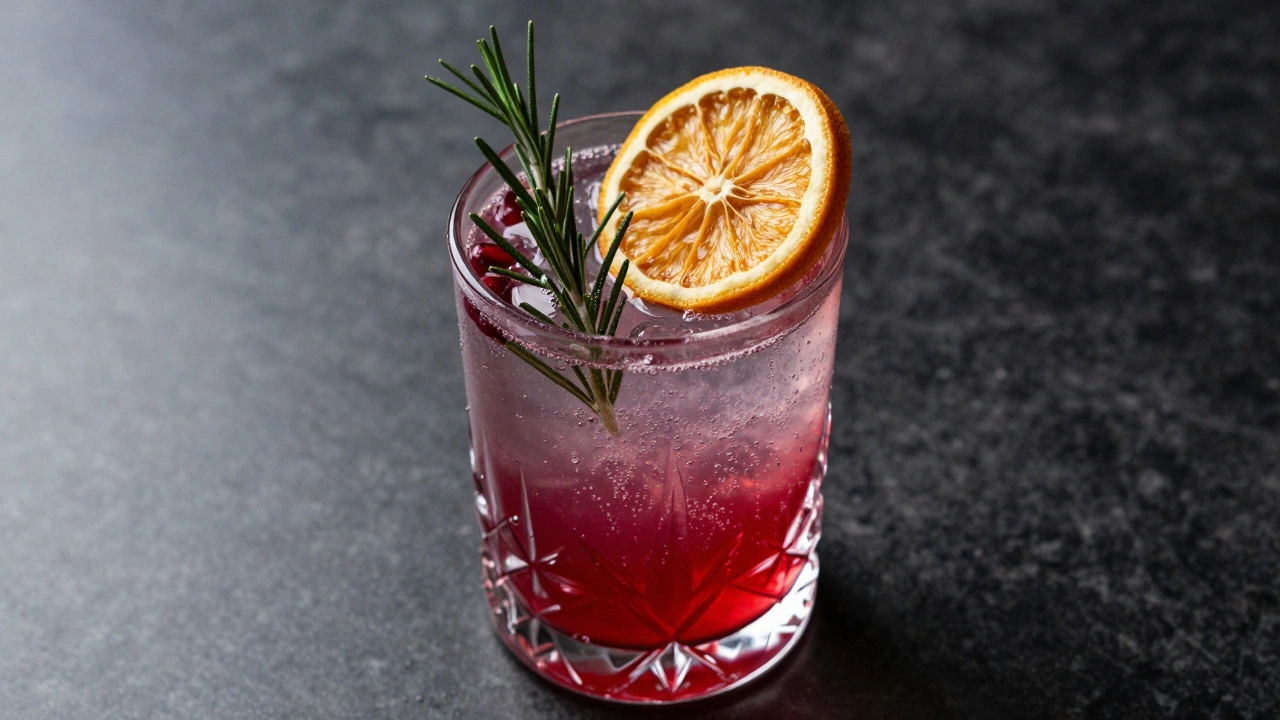
To get that "grown-up" taste, you need more than just sugar. Many creators use Botanicals, such as fresh mint, rosemary, or lavender, to add earthy notes. Others rely on Bitters or specialized syrups to replicate the depth and slight bitterness found in spirits like gin or whiskey. For example, using a tart pomegranate juice-which is rich in tannins-can mimic the structure of a red wine, giving the drink more "weight" on the palate.
The All-Time Classics
When people ask for a common mocktail, they are usually thinking of a few legendary drinks. These are the gold standards that almost every bar or home host knows how to make.
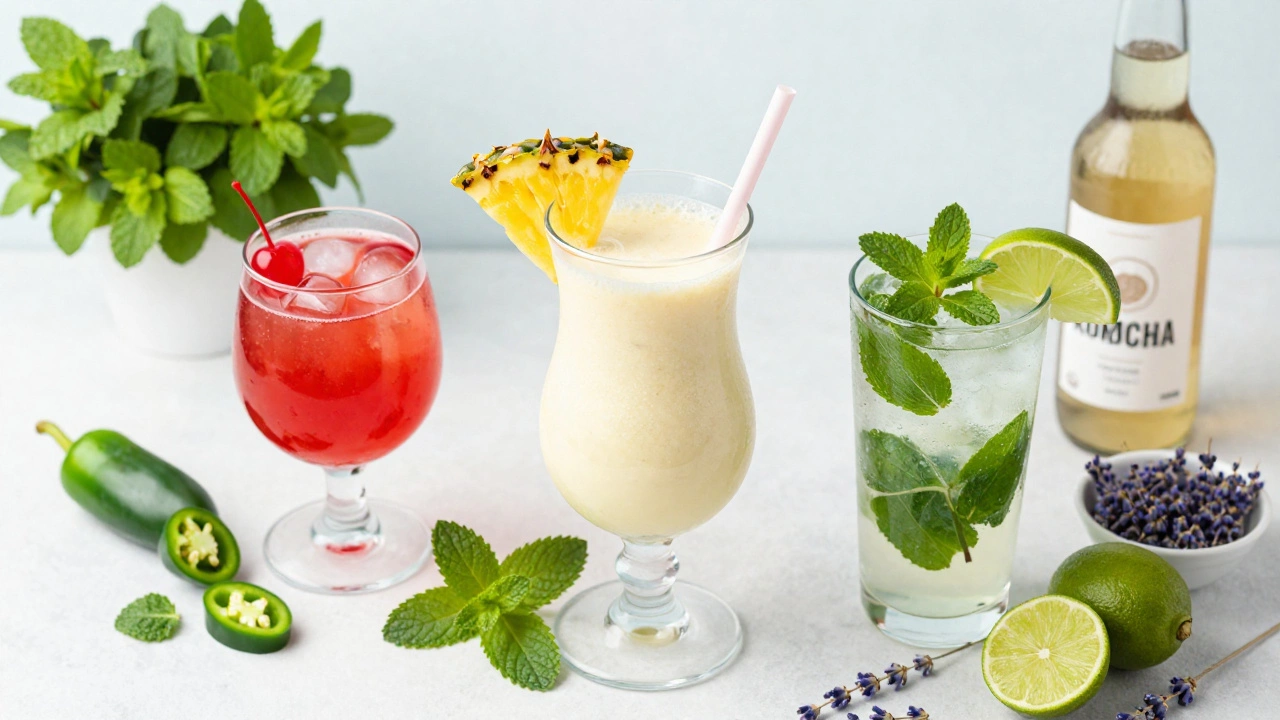
- The Shirley Temple: Perhaps the most famous of all. It combines ginger ale or lemon-lime soda with a splash of grenadine and a maraschino cherry. It's sweet, nostalgic, and universally loved.
- Virgin Mojito: A refreshing powerhouse. You muddle fresh lime and mint leaves, add a touch of simple syrup, and top it off with sparkling soda water.
- Virgin Piña Colada: The ultimate vacation in a glass. By blending pineapple juice and coconut cream with ice, you get a thick, creamy treat that tastes exactly like the original.
- The Roy Rogers: A cousin to the Shirley Temple, this one swaps the lemon-lime base for cola, keeping the grenadine and cherry for that classic look.
Modern and Sophisticated Twists
If you're tired of the classics, the modern mocktail scene is leaning into bold, unexpected flavors. We're seeing a move toward "functional" ingredients and complex flavor profiles that challenge the taste buds.
Take the Lemon-Lavender Mocktail, for instance. By using lavender-infused syrup and lavender bitters with fresh lemon and sparkling water, you create a floral, sophisticated drink that feels more like a spa experience than a soda. Then there's the Pineapple Jalapeño Lime Mocktail, which hits three different notes: heat from the pepper, sweetness from the fruit, and sourness from the lime. To take it a step further, some pros freeze jalapeño slices directly into their ice cubes so the drink evolves in flavor as the ice melts.
For those looking for a health-conscious edge, the Grapefruit-Ginger Kombucha Mocktail is a winner. It uses Kombucha, a fermented tea, to provide a natural tang and probiotic benefit, paired with grapefruit and a sprig of rosemary for a woody, citrusy aroma.
| Style | Key Characteristics | Example | Vibe |
|---|---|---|---|
| Fruity & Sweet | Juice-forward, colorful, sugary | Shirley Temple | Playful/Classic |
| Herbaceous | Fresh herbs, citrus, carbonation | Virgin Mojito | Refreshing/Summer |
| Complex/Modern | Infusions, spice, fermented bases | Grapefruit Kombucha | Sophisticated/Healthy |
| Creamy/Tropical | Coconut, pineapple, blended ice | Virgin Piña Colada | Indulgent/Beach |
The 3-Ingredient Shortcut
You don't need a degree in mixology or a bar full of equipment to make something impressive. Many of the best mocktails rely on a simple three-ingredient rule. This is perfect for home entertaining when you want a drink that tastes a bit more special than water but doesn't require twenty minutes of prep.
Try these quick combinations:
- Passionfruit Martini Mocktail: Passionfruit puree, lime juice, and a splash of vanilla syrup.
- Sunrise Mocktail: Orange juice, grenadine (poured slowly so it sinks), and a splash of sparkling water.
- Paloma Mocktail: Grapefruit juice, lime juice, and club soda.
The beauty of these recipes is that they are highly customizable. Not a fan of lime? Swap it for lemon. Want it sweeter? Use honey or agave nectar instead of simple syrup. Because there are no harsh spirits involved, you can experiment with ratios much more easily without ruining the drink.
Essential Gear for the Home Bar
While you can stir a drink with a spoon, a few pieces of equipment can drastically change the quality of your mocktails. If you're serious about your alcohol-free drinks, consider a basic kit.
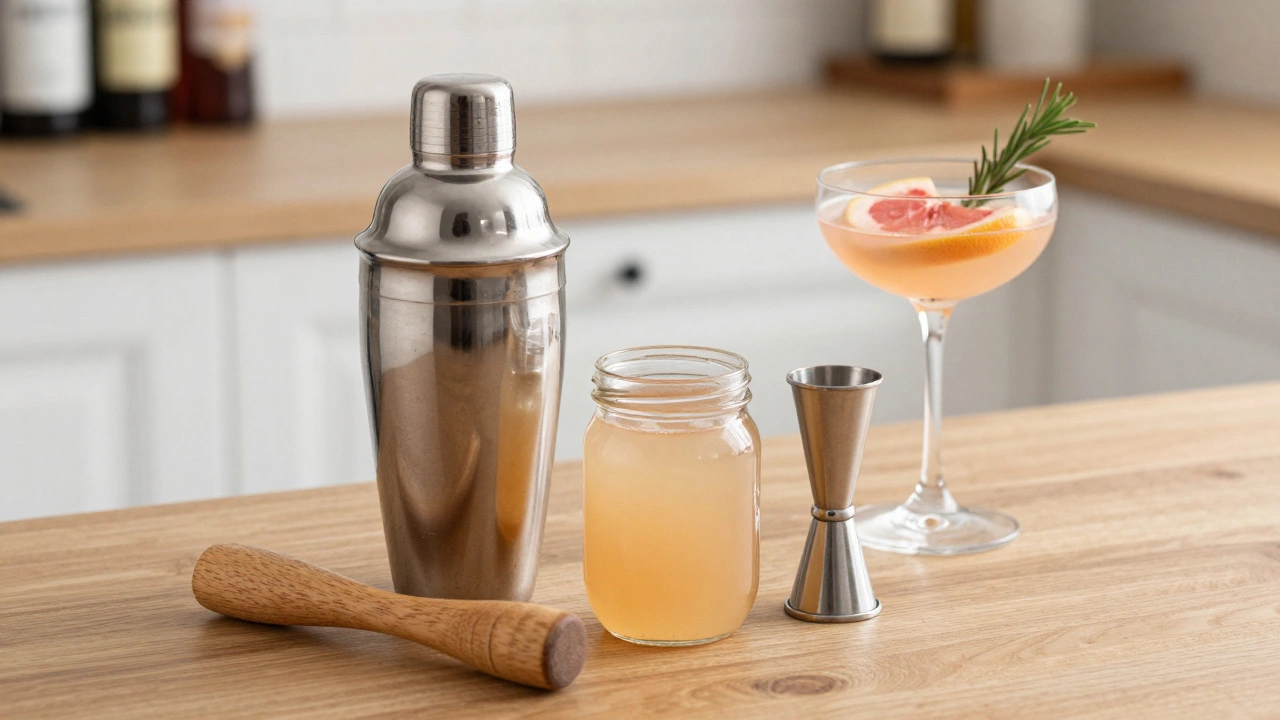
A Shaker is essential for aeration. When you shake a drink, you aren't just cooling it down; you're incorporating tiny air bubbles that change the texture, making it feel lighter and frothier. A Muddler is your best friend for herbs like mint or basil, as it releases the essential oils without shredding the leaves into tiny, bitter pieces. Finally, a Jigger ensures your balance is correct. Too much lime juice can make a drink unpalatably sour, while too much syrup makes it cloying.
For those who want to go pro, making your own syrups is a game-changer. A simple homemade ginger syrup (sugar, water, and fresh grated ginger heated until dissolved) can be used in everything from a Mango Mule to a spicy ginger spritz, adding a punch of real flavor that store-bought syrups just can't match.
Why Mocktails are Taking Over
It's not just about sobriety. The rise of mocktails is tied to a broader shift toward mindful drinking and health consciousness. People are realizing they can enjoy the ritual of a cocktail-the beautiful glass, the garnish, the complex flavors-without the hangover or the calories associated with heavy spirits.
Moreover, mocktails create a more inclusive social environment. When a host provides a high-quality non-alcoholic option, it sends a signal that the person not drinking is just as valued as the person with a martini. It removes the "Why aren't you drinking?" conversation and replaces it with "Wow, what is in this drink?"
What is the difference between a mocktail and a cocktail?
The primary difference is the alcohol content. A cocktail contains a spirit (like vodka, gin, or rum), while a mocktail uses non-alcoholic bases. However, a true mocktail aims to replicate the "experience" of a cocktail by using complex ingredients, garnishes, and balancing techniques, rather than just being a glass of juice.
Are mocktails healthy?
It depends on the ingredients. A mocktail made with fresh fruit juices, kombucha, and herbs can be quite healthy. However, many common mocktails rely on heavy syrups and grenadine, which can be high in sugar. To make them healthier, try using natural sweeteners like agave or simply relying on the natural sweetness of ripe fruit.
What can I use instead of alcohol to get a "bite" in a drink?
To replicate the burn or "bite" of alcohol, try using ginger beer, fresh ginger juice, or a pinch of cayenne pepper. Apple cider vinegar or high-quality kombucha can also provide that fermented tang and acidic punch that mimics the complexity of a spirit.
Can I make mocktails without a shaker?
Yes, you can! A mason jar with a tight lid works perfectly as a makeshift shaker. Alternatively, you can stir your ingredients vigorously in a glass, though you won't get the same frothiness and aeration that a professional shaker provides.
What is the best sparkling water for mocktails?
Look for sparkling waters with high carbonation levels. Mixologists often prefer brands like Topo Chico because the bubbles are smaller and more persistent, meaning the drink doesn't go flat as quickly when you add heavier juices or syrups.
Next Steps for Your Home Bar
If you're just starting out, don't overcomplicate things. Pick one classic, like the Virgin Mojito, and master the balance of lime and mint. Once you're comfortable, start experimenting with one "wildcard" ingredient-maybe a splash of rose water or a slice of fresh jalapeño. The best part about mocktails is that there are no rules; if it tastes good to you, it's a success.