Wine Tasting Guide & Reference Tool
Hold the glass up to the light. Look for clarity and rim color. Older reds often have orange or brick edges. Note the wine's depth of color - deep purple suggests youth in Cabernet, while pale gold indicates a crisp Chardonnay.
Gently spin the glass. Observe the "legs" - those sticky trails down the sides. Thicker legs indicate higher alcohol or sugar content. Swirling releases trapped aromas for the next step.
Take two sniffs. First shallow, then deeper. Identify aromas: fruit (cherry, citrus), earth (leather, tobacco), or other notes. Don't force it - let the scent come to you. Note the difference between "nose" (grape scent) and "bouquet" (aging aromas).
Take a small sip. Let it coat your tongue. Roll it around. Notice where you feel it: sides for acidity, back for alcohol, center for sweetness. Describe texture - light like water or full like cream.
Pay attention to the finish. Does it linger? A good wine has a long finish. Note if you'll spit or swallow - essential when tasting multiple wines.
Tannins: Dry, puckery feeling from grape skins, seeds, and oak barrels. Descriptors: chewy, astringent, velvety.
Body: How heavy the wine feels in the mouth. Light = Pinot Noir (skim milk), Full = Shiraz (whole cream).
Balance: When acidity, sweetness, tannin, and alcohol work together harmoniously.
Acidity: What makes your mouth water. High acidity = crisp, tart, zesty; Low = flat or dull.
Record your observations here. Use the terms from above to describe what you see, smell, and taste.
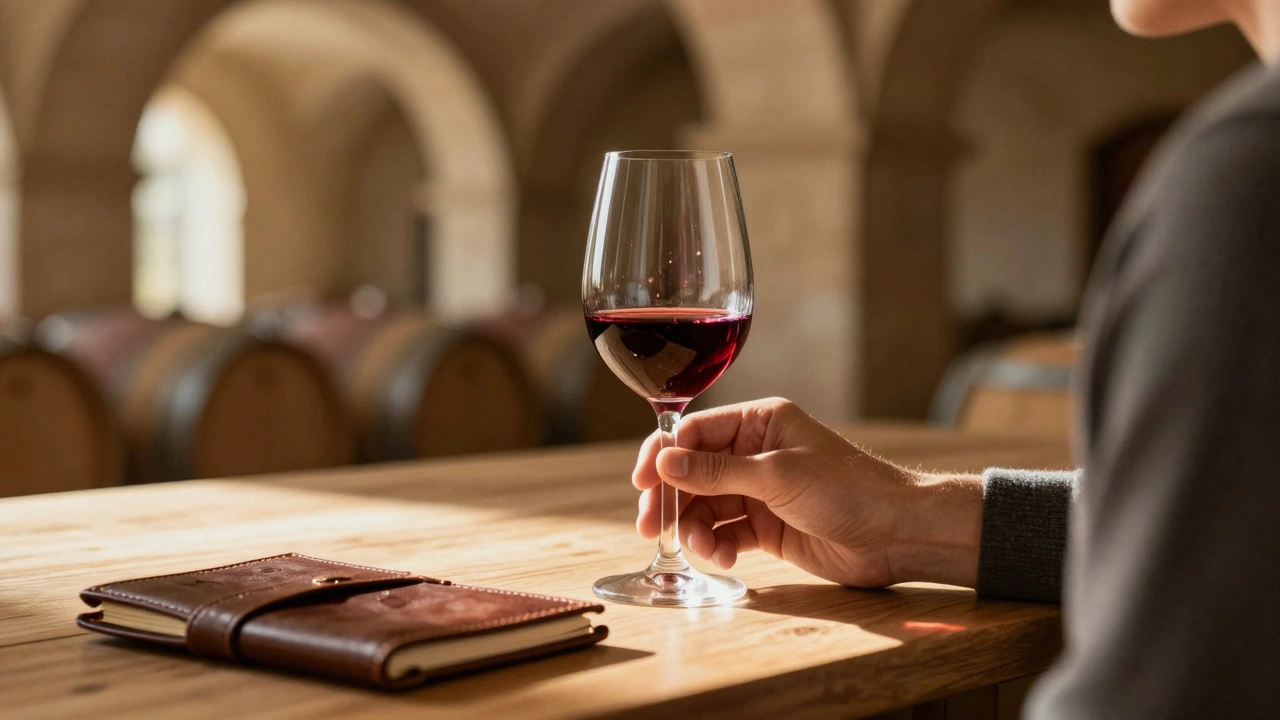
When you go wine tasting, you're not just drinking wine-you're wine tasting. That’s the official term. But if you’ve ever sat at a wooden table in a sunlit cellar, swirling a glass of red while someone talks about "bouquet" and "finish," you know it’s more than a word. It’s a ritual. A slow, sensory journey that turns a simple glass into a story.
It’s Not Just Drinking. It’s a Sensory Experience
Wine tasting isn’t about gulping down a glass to get buzzed. It’s about paying attention. You start by looking. Not just at the color, but at how light moves through the liquid. A deep purple? That’s young Cabernet. A pale gold? Maybe a crisp Chardonnay. Then you swirl. Why? To wake up the aromas. Oxygen helps release the hidden scents trapped in the wine. After the swirl, you bring the glass close. Breathe in. That’s the nose. Not the same as the bouquet. The nose is what the grape itself smells like-ripe berries, citrus peel, green apple. The bouquet? That’s what happens after fermentation and aging. Think leather, tobacco, damp earth. These aren’t fancy words. They’re real. A good wine will let you smell all of them.The Three Esses-and More
Many professionals use the "three esses": see, smell, sip. But most tasting rooms now teach a five-step method: see, swirl, sniff, sip, savor. Each step matters. - See: Hold the glass up to the light. Look for clarity. Cloudiness can mean unfiltered wine-or a bad bottle. Note the rim. Older reds often have orange or brick edges. - Swirl: Gently spin the glass. Watch the legs. Those sticky trails down the side? They hint at alcohol and sugar content. Thicker legs usually mean higher alcohol or sweetness. - Sniff: Take two sniffs. First, shallow. Then deep. You might catch cherry, vanilla, wet stone, or even gasoline (yes, that’s normal in some Rieslings). Don’t force it. Let the scent come to you. - Sip: Don’t gulp. Let it coat your tongue. Roll it around. Notice where you feel it: the sides for acidity, the back for alcohol, the center for sweetness. Some wines feel light, like water. Others cling like cream. - Savor: Do you swallow or spit? It depends. If you’re tasting five wines, spit. It’s normal. Tasting rooms provide spittoons for a reason. If you’re enjoying one bottle? Go ahead. But always pay attention to the aftertaste. That’s the finish. A good wine lingers. A bad one vanishes in seconds.What You’re Really Feeling: Tannins, Body, Balance
Wine isn’t just about flavor. It’s about texture. That dry, puckery feeling in your mouth after a bold red? That’s tannins. They come from grape skins, seeds, and oak barrels. Descriptors like "chewy," "astringent," or "velvety" aren’t made up. They’re precise. - Body is how heavy the wine feels. Light-bodied? Think Pinot Noir-like skim milk. Full-bodied? Think Shiraz-like whole cream. It’s not about alcohol alone. It’s about extract: sugars, acids, and solids dissolved in the wine. - Balance is the holy grail. A wine is balanced when acidity, sweetness, tannin, and alcohol all work together. Too much acid? It’s sour. Too much alcohol? It burns. Too little fruit? It’s hollow. A balanced wine doesn’t shout. It sings. - Acidity is what makes your mouth water. A crisp Sauvignon Blanc has high acidity. A flat, dull white? It’s probably past its prime. Descriptors like "tart," "crisp," or "zesty" mean good acidity. "Green"? That’s too sharp-like biting into an unripe apple.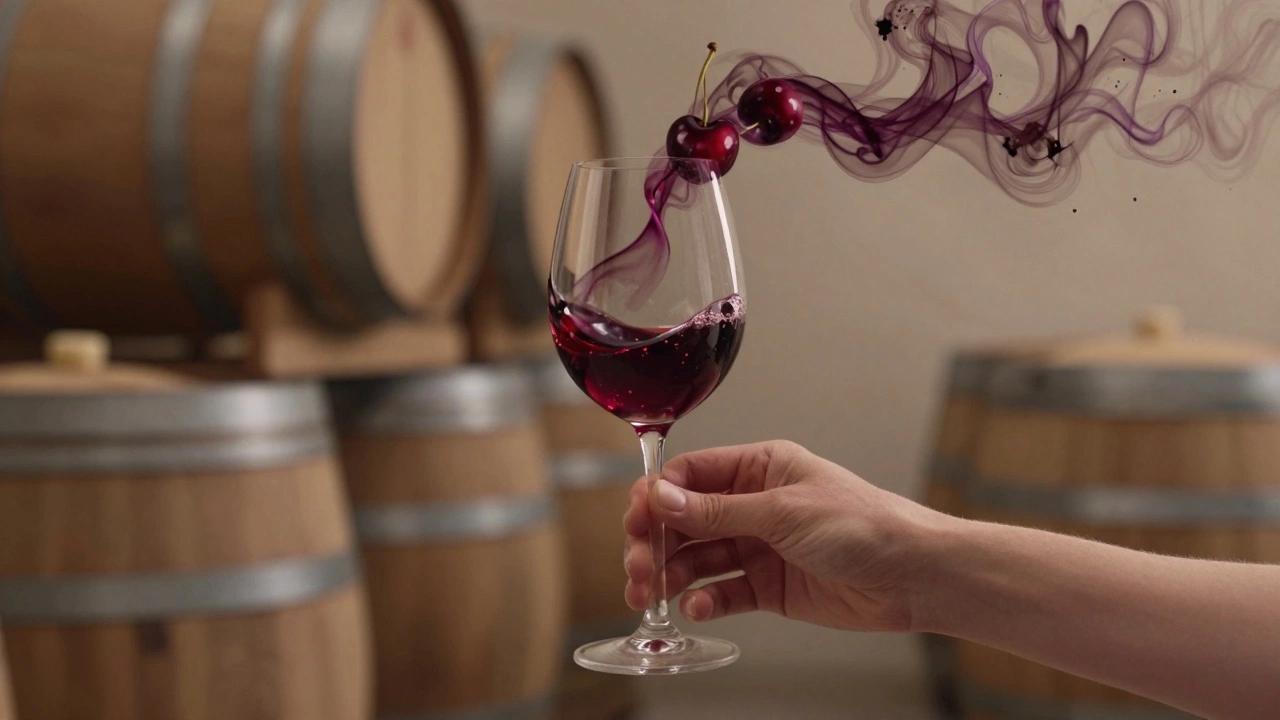
What Goes Wrong? The Bad Signs
Not every wine is good. And there are clear signs something’s off. - Corked: Smells like wet cardboard or a damp basement. Caused by TCA, a chemical from bad corks. It’s not harmful-just sad. A corked wine loses all flavor. - Volatile: Smells like vinegar. Too much acetic acid. Usually a fault in winemaking. - Dried out: Old reds can lose their fruit. What’s left? Dust and tannin. It’s not bad-just finished. - Musty: Like an old attic. Often from moldy grapes or dirty barrels. If you notice any of these, don’t feel bad for saying something. Good tasting rooms welcome feedback. You’re not being rude. You’re helping.Types of Tastings: Horizontal, Vertical, Blind
Wine tasting isn’t one-size-fits-all. There are different formats, each teaching something new. - Horizontal tasting: You taste several wines from the same year, same region. Compare a 2020 Chardonnay from three different vineyards. You’ll see how soil and climate change the taste-even with the same grape. - Vertical tasting: You taste the same wine across different years. A 2018, 2020, and 2023 Pinot Noir from one producer. You see how aging changes it-fruit fades, tannins soften, complexity grows. - Blind tasting: You don’t know what you’re drinking. Bottles are covered. No labels. It’s how professionals train. You learn to trust your senses, not the price tag. These aren’t just for experts. Many tasting rooms offer guided horizontal tastings. Try one. It’s eye-opening.