Sugary Drink Sugar Calculator
Check Your Drink's Hidden Sugar
Calculate sugar content and health impact of your favorite non-alcoholic beverage. See if it meets the article's red flag criteria.
When you think of unhealthy drinks, you probably picture soda or energy drinks. But here’s the thing: the most unhealthy non-alcoholic drink isn’t just one thing. It’s a category of beverages that look harmless, even healthy, but pack a hidden punch of sugar, chemicals, and empty calories. And if you’re sipping one daily, you’re slowly setting yourself up for weight gain, blood sugar crashes, and long-term health problems-even if you never touch alcohol.
Soda Is the Classic Culprit
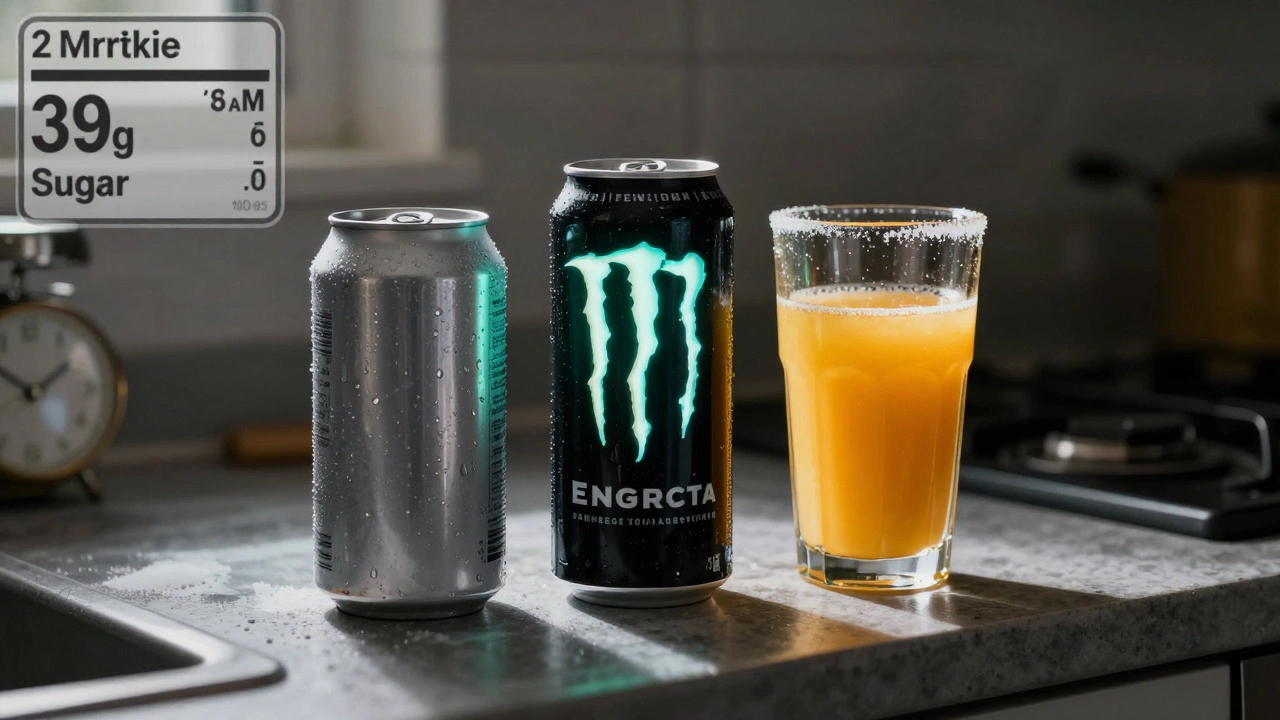
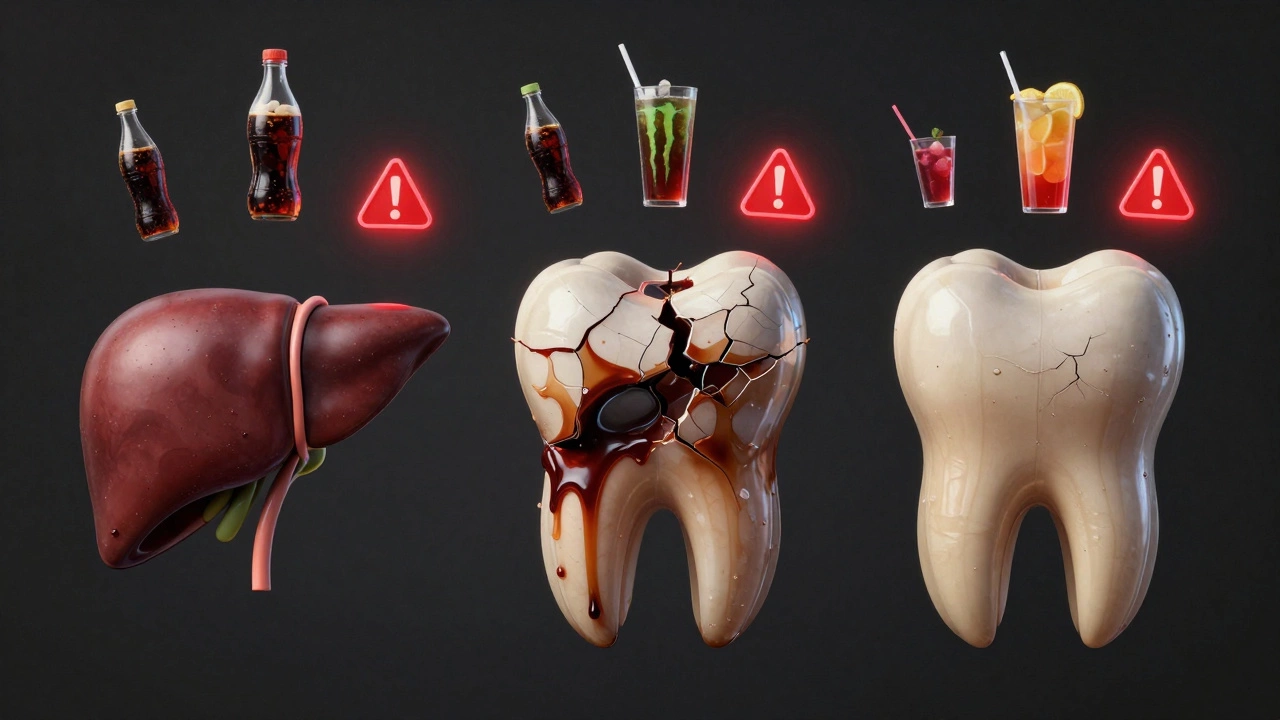
A single 12-ounce can of regular soda contains between 39 and 65 grams of sugar. That’s more than the entire daily limit the American Heart Association recommends for women (25 grams) and close to the limit for men (36 grams). Most of that sugar comes from high-fructose corn syrup, a cheap sweetener that your liver has to process differently than natural fructose from fruit. Over time, this leads to fat buildup in the liver, insulin resistance, and a higher risk of type 2 diabetes. And don’t forget the acid-soda is so acidic it can erode tooth enamel faster than candy. Dentists call it "soda mouth."
Energy Drinks Are Worse Than You Think
Energy drinks don’t just have sugar. They have both sugar and caffeine-sometimes over 300 milligrams per can. That’s more than a cup of coffee, and often paired with 70 grams of sugar. The combo creates a spike-and-crash cycle: your heart races, your blood pressure jumps, then you crash into fatigue, cravings, and irritability. Some brands even add synthetic stimulants like taurine or guarana, which aren’t well-regulated and can interact dangerously with medications or pre-existing heart conditions. In Australia, emergency rooms see a steady stream of teens and young adults admitted after energy drink binges, especially during exam season or late-night parties.
"100% Natural" Fruit Juice Isn’t Better
Here’s a shocker: a 250ml glass of orange juice has about 24 grams of sugar. Same as a can of soda. But here’s the difference-when you eat a whole orange, you get fiber that slows sugar absorption. Juice? No fiber. Just pure glucose in liquid form. Your body treats it like soda. And many "natural" juices aren’t even 100% juice-they’re watered down with added sugars and artificial flavors. Brands market them as "healthy" because they’re "natural," but they’re just sugar with a vitamin label.
Flavored Sports Drinks Are a Scam
You’re told sports drinks help you rehydrate after a workout. But unless you’re running a marathon in 35°C heat, you don’t need them. Most commercial sports drinks have 20-30 grams of sugar per bottle, plus artificial colors and 160-360mg of sodium. That’s more sodium than a bag of chips. The sugar is there to make it taste good so you’ll keep buying it. And the sodium? It’s not for electrolyte balance-it’s to make you thirsty so you drink more. It’s a clever trick, but it’s not health. Real hydration? Water. Or better yet, coconut water with no added sugar.
Chain Coffee Drinks Are Sugar Bombs in Disguise
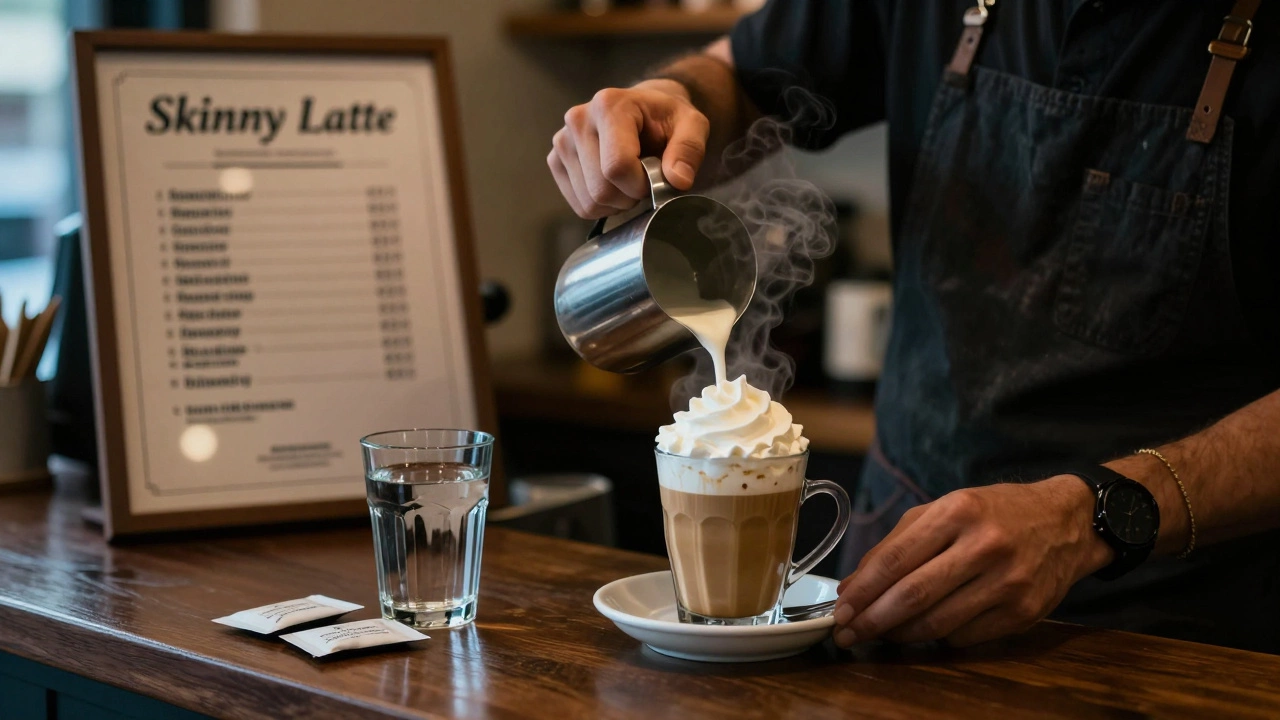
That "skinny" vanilla latte? A 16-ounce version with flavored syrup and whipped cream can have 50-80 grams of sugar. That’s more than two candy bars. Even the "unsweetened" versions often use syrups that aren’t labeled as sugar on the menu. Baristas aren’t lying-they’re just following the recipe. And if you get one every morning? You’re consuming over 18,000 extra calories a year. That’s roughly 5 kilograms of body fat.
Mocktails Aren’t Always Healthy Either
Here’s where it gets personal. If you’re into mocktails, you might think you’re making a smart choice. But many cocktail bars use the same sugary syrups, fruit purees, and tonic waters as they do for alcoholic drinks. A "berry fizz" mocktail might have 40 grams of sugar-same as a soda. Even "healthy" mocktail recipes online often call for honey, agave, or maple syrup, which are still concentrated sugars. Just because it’s called a mocktail doesn’t mean it’s low-sugar. The real ones? They use sparkling water, fresh herbs, lime, and maybe a splash of real fruit juice. No syrups. No sweeteners. No tricks.
Artificial Sweeteners Aren’t the Answer
Some people switch to diet sodas thinking they’re doing better. But drinks with aspartame, sucralose, or saccharin aren’t harmless. Studies show they can confuse your body’s hunger signals, making you crave more sweets. They also change your gut bacteria in ways that may increase insulin resistance. One 2023 study in *The American Journal of Clinical Nutrition* found that people who drank diet soda daily had a 36% higher risk of metabolic syndrome than those who didn’t. So you’re trading sugar for something that might be just as bad.
What Makes a Drink Actually Unhealthy?
Let’s cut through the noise. The worst non-alcoholic drinks share five red flags:
- More than 20 grams of sugar per serving
- Artificial sweeteners like aspartame or sucralose
- Artificial colors (Blue 1, Red 40, Yellow 5)
- Artificial flavors ("natural flavors" can still be chemical mixtures)
- No nutritional value-zero vitamins, zero fiber, zero antioxidants
If a drink checks three or more of these, it’s not just unhealthy-it’s actively harmful over time.
What Should You Drink Instead?
You don’t need to give up flavor. You just need to stop drinking the stuff that’s been engineered to be addictive. Try these swaps:
- Sparkling water with a squeeze of lemon or lime
- Herbal teas (peppermint, chamomile, hibiscus)-cold or hot
- Infused water with cucumber, mint, or berries
- Coconut water (unsweetened, check the label)
- Kombucha with less than 5g sugar per bottle (like Health-Ade or homemade)
These options don’t spike your blood sugar. They don’t damage your teeth. And they don’t trick your brain into craving more. They’re real. They’re simple. And they work.
The Bottom Line
The most unhealthy non-alcoholic drink isn’t one specific product. It’s any drink that’s designed to taste sweet, not nourish. Whether it’s soda, energy drinks, "natural" juice, or a fancy mocktail from a trendy bar-if it’s loaded with sugar, chemicals, or artificial sweeteners, it’s doing more harm than good. You don’t need to be perfect. But if you’re drinking one of these daily, it’s time to rethink what "hydration" really means.