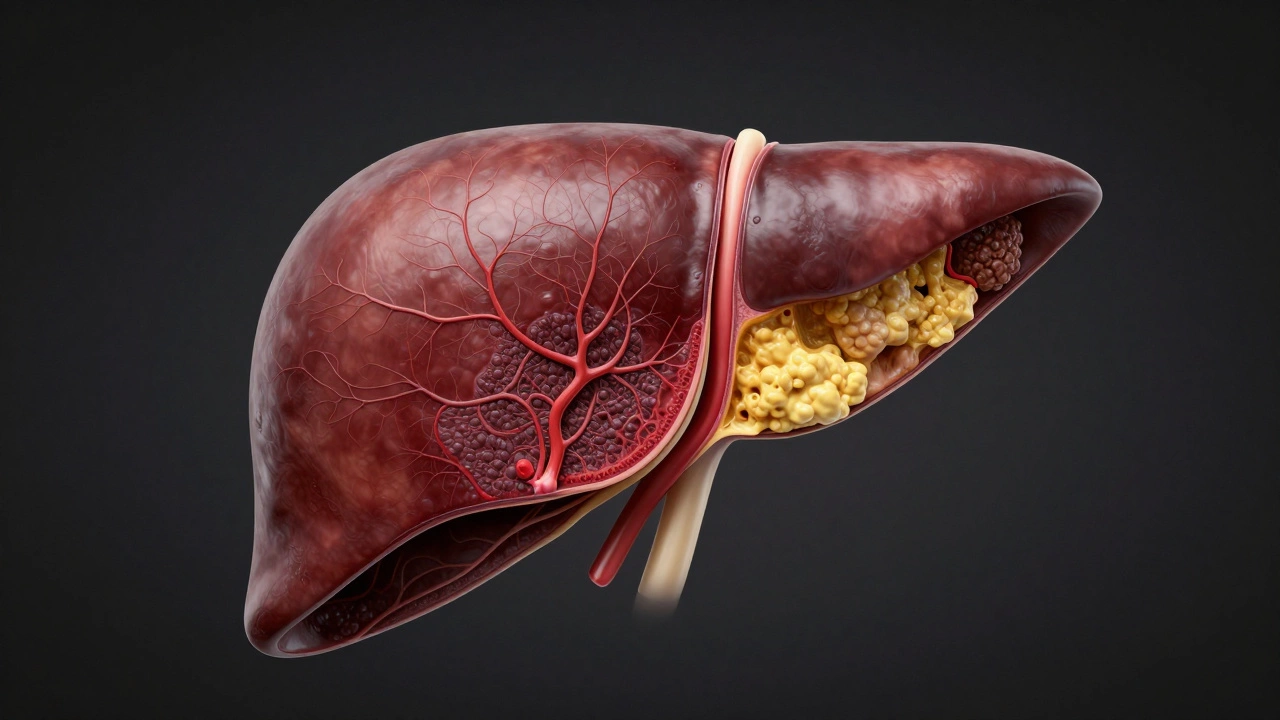
Alcohol Impact & Liver Health Simulator
Organ Impact Analysis
Current Status: Healthy
At this level of consumption, your liver can effectively process ethanol. No significant cellular damage or fat accumulation is expected.
You pour a glass of spirits, take a sip, and feel that familiar warmth. But while your taste buds register the flavor, your body is already hard at work processing ethanol. If you’ve ever wondered what organ does alcohol affect the most, the short answer is the liver. It’s the primary filter for everything you drink, bearing the brunt of the metabolic load. However, saying it only hurts the liver is like saying a car crash only damages the bumper. Alcohol is a systemic toxin that travels through your bloodstream, impacting your brain, heart, pancreas, and immune system simultaneously.
Understanding exactly how alcohol interacts with your biology changes how we approach tasting and consumption. It moves the conversation from simple intoxication to long-term cellular health. Let’s break down which organs suffer the most, why they are vulnerable, and what the science says about the cumulative cost of regular drinking.
The Liver: The Primary Processing Plant
When medical professionals discuss alcohol-related damage, the liver is almost always the first name mentioned. This isn’t just because it’s large; it’s because it’s the only organ designed to metabolize ethanol. Your liver produces enzymes, specifically alcohol dehydrogenase (ADH) and aldehyde dehydrogenase (ALDH), that break down alcohol into acetaldehyde and then into acetate, which your body can safely use as energy.
| Stage | Description | Reversibility |
|---|---|---|
| Fatty Liver (Steatosis) | Fat accumulates in liver cells due to slowed fat breakdown. | Highly reversible with abstinence. |
| Alcoholic Hepatitis | Inflammation and death of liver cells caused by toxic buildup. | Partially reversible; severe cases can be fatal. |
| Fibrosis | Scar tissue forms as the liver attempts to repair itself. | Difficult to reverse; progression slows with no alcohol. |
| Cirrhosis | Extensive scarring replaces healthy tissue, blocking blood flow. | Permanent; leads to liver failure or transplant needs. |
The problem arises when you drink faster than your liver can process. The liver can typically handle about one standard drink per hour. Anything beyond that circulates in your blood, raising your Blood Alcohol Concentration (BAC). Over time, this constant barrage causes oxidative stress. The liver cells become inflamed and start storing fat instead of processing nutrients efficiently. This condition, known as steatosis or fatty liver, can develop after just a few days of heavy binge drinking. While early-stage fatty liver is often silent-showing no symptoms-it is the precursor to more severe conditions like alcoholic hepatitis and cirrhosis.
Cirrhosis is the end-stage result where healthy liver tissue is replaced by scar tissue. Once this happens, the liver cannot function properly, leading to life-threatening complications. The key takeaway here is that the liver is resilient but not invincible. It doesn’t send pain signals easily, so by the time you feel sick, significant structural damage may have already occurred.
The Brain: Acute Impairment and Chronic Shrinkage
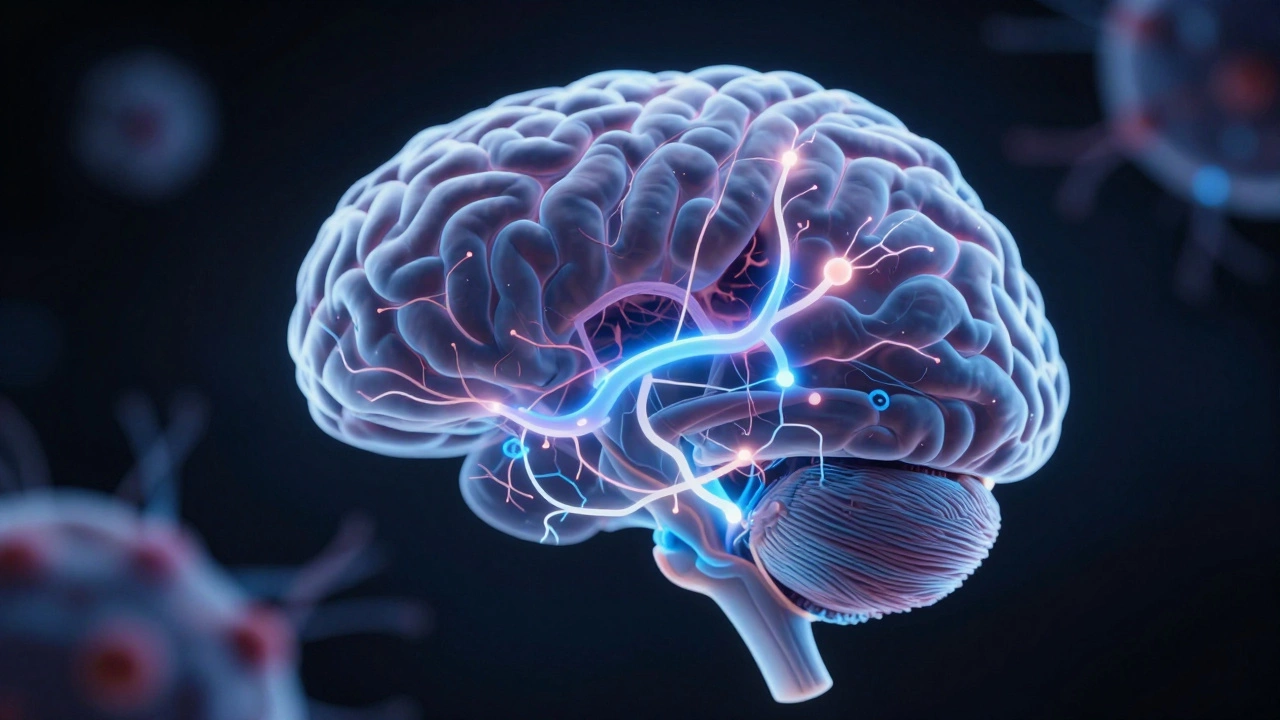
If the liver is the factory, the brain is the control center, and alcohol disrupts its operations immediately. Ethanol is a central nervous system depressant. It enhances the effect of gamma-aminobutyric acid (GABA), an inhibitory neurotransmitter, and suppresses glutamate, an excitatory neurotransmitter. This chemical imbalance slows down neural activity, resulting in slurred speech, poor coordination, and delayed reaction times.
But the impact goes far deeper than temporary drunkenness. Chronic alcohol consumption alters the structure of the brain. Studies using MRI scans have shown that long-term heavy drinkers often have reduced brain volume, particularly in the frontal lobes, which govern decision-making, impulse control, and social behavior. This shrinkage contributes to the cognitive decline associated with Alcohol Use Disorder (AUD).
Furthermore, alcohol interferes with memory formation. By disrupting communication between hippocampus neurons, it can cause blackouts-periods where the brain fails to record memories despite the person being conscious. Long-term exposure also increases the risk of Wernicke-Korsakoff syndrome, a serious neurological disorder caused by thiamine (Vitamin B1) deficiency, which is common in chronic drinkers because alcohol impairs nutrient absorption.
The Heart: More Than Just "Holiday Heart"
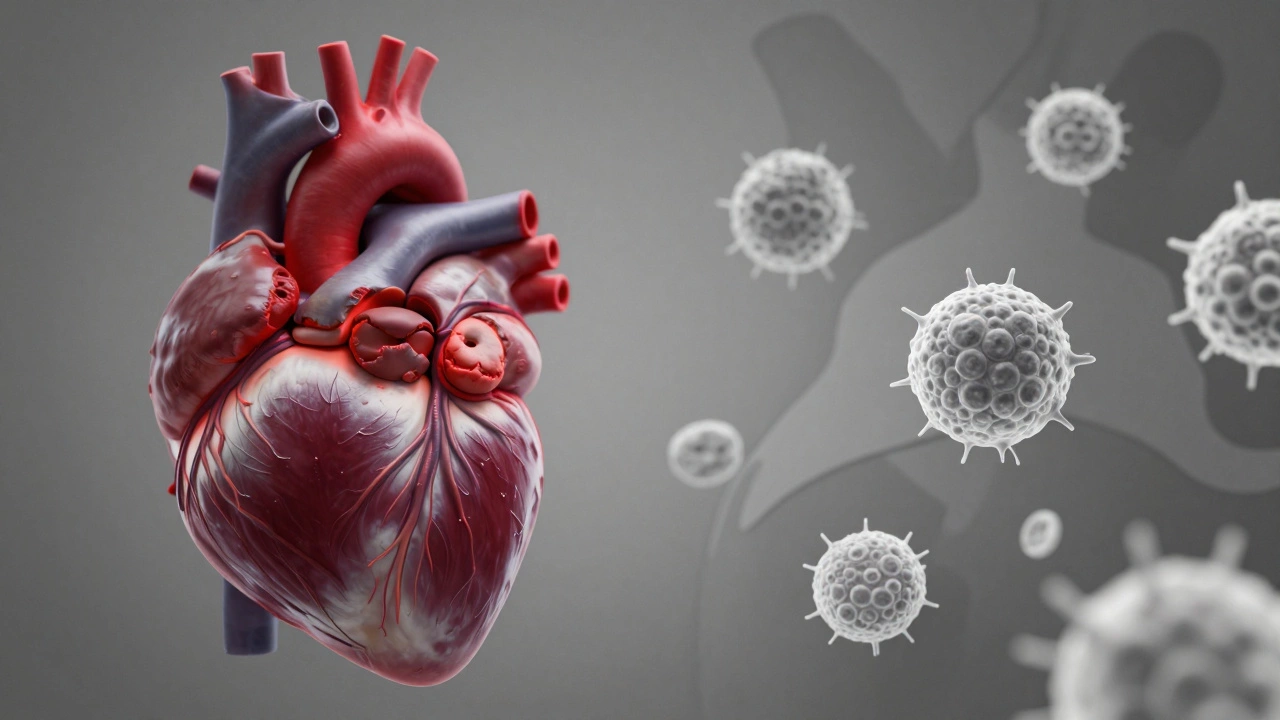
There is a persistent myth that moderate red wine protects the heart. While some observational studies suggested benefits, recent large-scale research indicates that any amount of alcohol carries cardiovascular risks. The cardiovascular system is highly sensitive to ethanol’s effects. In the short term, alcohol raises blood pressure and heart rate. For many people, a single night of heavy drinking triggers atrial fibrillation, an irregular heartbeat often called "holiday heart syndrome."
Over years, chronic drinking weakens the heart muscle, leading to cardiomyopathy. This condition means the heart becomes enlarged, thin, and unable to pump blood effectively. Additionally, alcohol contributes to the buildup of plaque in arteries, increasing the risk of stroke and coronary artery disease. The American Heart Association notes that even moderate drinking can elevate triglyceride levels, a type of fat in the blood linked to heart disease.
It’s crucial to understand that there is no safe threshold for heart health regarding alcohol. The idea that one glass a day prevents heart attacks has been largely debunked by newer data showing that the risks of cancer and hypertension outweigh any potential minor benefits from antioxidants in wine.
The Pancreas and Digestive Tract
Your pancreas plays a dual role: it produces digestive enzymes and regulates blood sugar via insulin. Alcohol irritates the pancreatic lining, causing it to swell and trap digestive enzymes inside the gland. This leads to pancreatitis, a painful inflammation that can be acute or chronic. Chronic pancreatitis destroys the organ’s ability to produce essential enzymes and hormones, potentially leading to diabetes and malnutrition.
The gastrointestinal tract also suffers directly. Alcohol increases stomach acid production and relaxes the lower esophageal sphincter, allowing acid to creep up into the esophagus. This causes gastroesophageal reflux disease (GERD) and can erode the esophageal lining over time. Furthermore, alcohol damages the intestinal barrier, leading to "leaky gut," where toxins pass into the bloodstream, triggering systemic inflammation.
Immune System and Cancer Risk
Alcohol is classified as a Group 1 carcinogen by the World Health Organization, meaning there is sufficient evidence that it causes cancer in humans. It doesn’t just target the liver; it significantly raises the risk of cancers in the mouth, throat, esophagus, colon, breast, and liver. The mechanism involves acetaldehyde, the toxic byproduct of alcohol metabolism, which damages DNA and prevents cells from repairing this damage.
Additionally, alcohol suppresses the immune system. White blood cells become less effective at fighting off infections. Heavy drinkers are more susceptible to pneumonia, tuberculosis, and other respiratory illnesses. This immunosuppression makes recovery from injuries and illnesses slower and more difficult.
Navigating Safe Consumption Guidelines
Given these widespread effects, how should you approach drinking? Public health guidelines vary slightly by country, but the trend is toward stricter limits. In Australia, the National Health and Medical Research Council advises that no level of alcohol consumption is completely safe for health. However, to reduce the risk of harm, they suggest limiting intake to no more than 10 standard drinks per week and no more than four on any single day.
In the United States, the CDC defines binge drinking as four or more drinks for women and five or more for men in about two hours. Heavy drinking is defined as eight or more drinks per week for women and 15 or more for men. Staying within low-risk guidelines helps protect your liver from fatty accumulation and reduces the strain on your heart and brain.
If you enjoy spirits tasting, consider spacing out your drinks, eating food before and during consumption to slow absorption, and incorporating alcohol-free days into your week. Listening to your body and recognizing signs of fatigue or digestive issues can be early warnings that your organs are struggling to keep up.
Does alcohol damage the liver immediately?
Not necessarily permanently. A single episode of heavy drinking can cause temporary fatty liver (steatosis), but this is often reversible if you stop drinking. Permanent damage like cirrhosis develops over years of chronic excessive consumption.
Can the liver heal itself after alcohol damage?
Yes, the liver is unique in its ability to regenerate. Early stages of alcohol-related liver disease, such as fatty liver and mild inflammation, can often be reversed with sustained abstinence. However, once cirrhosis sets in, the scarring is permanent.
Is moderate drinking safe for the heart?
Recent studies suggest that even moderate drinking carries risks for heart health, including high blood pressure and increased triglycerides. The previous belief that red wine protects the heart has been challenged by new data linking alcohol to various cardiovascular issues.
How does alcohol affect the brain long-term?
Chronic alcohol use can lead to brain shrinkage, particularly in areas responsible for decision-making and memory. It also disrupts neurotransmitter balance, leading to cognitive decline, mood disorders, and an increased risk of dementia later in life.
What are the signs of alcohol-induced pancreatitis?
Symptoms include severe upper abdominal pain that radiates to the back, nausea, vomiting, fever, and tenderness when touching the abdomen. If you experience these symptoms after drinking, seek medical attention immediately.