You probably think you know how to make a Highball is a classic cocktail consisting of a spirit and a carbonated mixer served over ice in a tall glass. You pour some whiskey, top it with soda, maybe add a lemon wedge. Done. But if your drink goes flat in two minutes or tastes like expensive alcohol mixed with lukewarm tap water, you’re missing the point. A perfect highball isn’t just about throwing ingredients together; it’s a study in temperature control, dilution management, and respect for carbonation.
Most people fail at this because they treat it as an afterthought. They use warm glasses, stale soda, and bad ice. The result? A watery mess that loses its fizz before you take the second sip. This guide breaks down exactly how to build a crisp, refreshing highball that stays lively until the last drop. We’ll cover the science behind why ice matters more than the brand of whiskey, the exact ratios that work, and common mistakes that ruin even premium spirits.
Why Ice Quality Makes or Breaks Your Drink
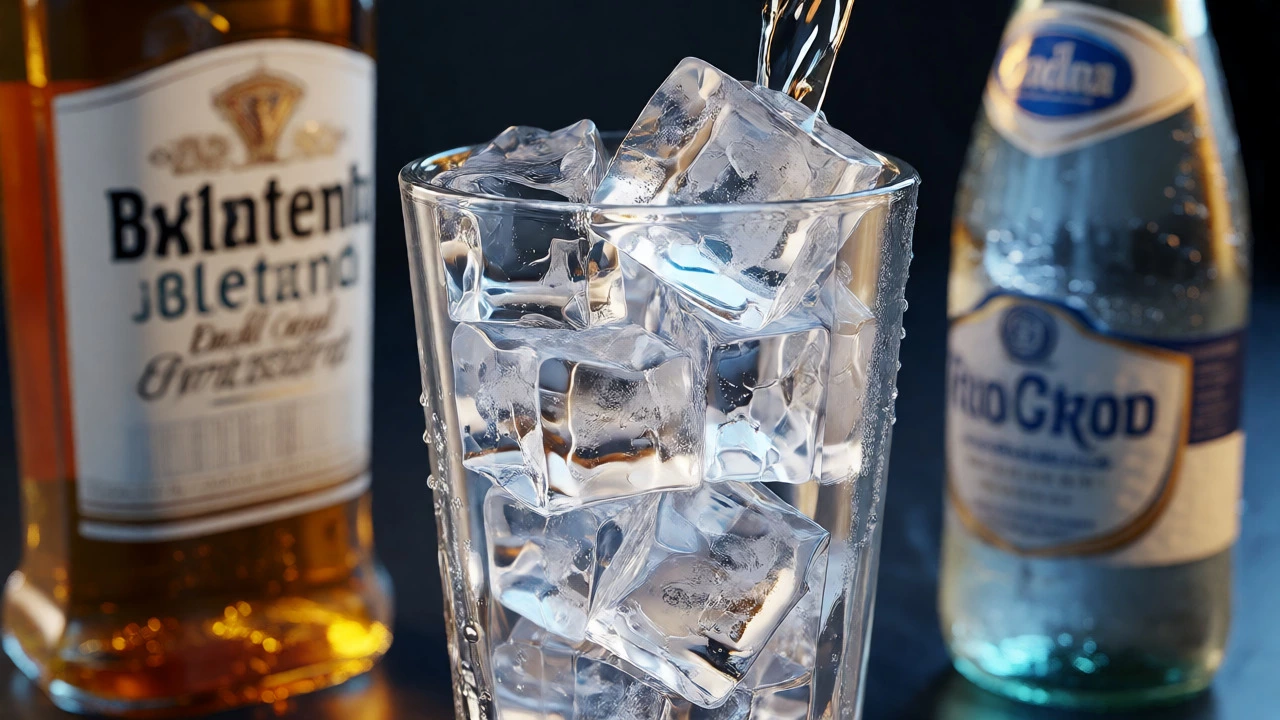
Let’s start with the most critical element: ice. If you use small, cloudy cubes from your freezer tray, you are sabotaging your cocktail. Small cubes have a high surface-area-to-volume ratio, meaning they melt fast. Fast melting means rapid dilution. Rapid dilution kills carbonation. Once the bubbles escape, the drink becomes flat and sweet, masking the sharp bite of the spirit.
You need large, clear ice. Ideally, one big cube or spear that fills most of the glass. Clear ice melts slower because it has fewer air pockets and cracks where heat can penetrate. In Sydney, where summer temperatures often hit 30°C (86°F), using proper ice isn’t optional-it’s survival for your drink. If you don’t have a fancy ice mold, buy a bag of solid block ice from a local fishmonger or supermarket deli counter. Ask them to cut it into chunks that fit your glass. It costs almost nothing but makes a massive difference.
- Large Cube: Best for slow sipping. Keeps the drink cold without watering it down quickly.
- Crushed Ice: Only for specific variations like a Mojito-style highball. Not for standard whisky highballs.
- Ice Spear: Popular in Japanese bars. Maximizes contact with liquid while minimizing melt rate.
The Spirit Choice: Whisky vs. Gin vs. Vodka
While the term "Highball" originally referred specifically to whisky and soda, today it describes any spirit topped with a carbonated mixer. However, not all spirits behave the same way. Here’s how to choose based on what you want out of the experience.
| Spirit | Flavor Profile | Best Mixer Pairing | Recommended ABV |
|---|---|---|---|
| Whisky | Bold, oaky, smoky | Plain Soda Water | 40-46% |
| Gin | Botanical, citrusy, herbal | Tonic or Club Soda | 40-50% |
| Vodka | Neutral, clean | Ginger Beer or Soda | 40% |
| Tequila | Earthy, agave-forward | Club Soda + Lime | 38-40% |
For a traditional Scotch Whisky highball, look for a blend rather than a single malt. Single malts are complex and expensive; mixing them with plain soda often wastes their nuanced flavors. A robust blended Scotch, like Johnnie Walker Black Label or Chivas Regal 12, holds up well against the dilution and carbonation. If you prefer gin, avoid overly floral or delicate gins. Go for something with strong juniper notes, like Tanqueray or Beefeater, which stand out clearly through the bubbles.
The Mixer: Carbonation Is King
Never use flat soda. Never use room-temperature soda. The mixer must be aggressively cold and freshly opened. Why? Because CO2 dissolves better in cold liquids. Warm soda releases gas faster, leaving your drink flat immediately. Keep your bottles of Soda Water or tonic in the fridge, not the pantry.
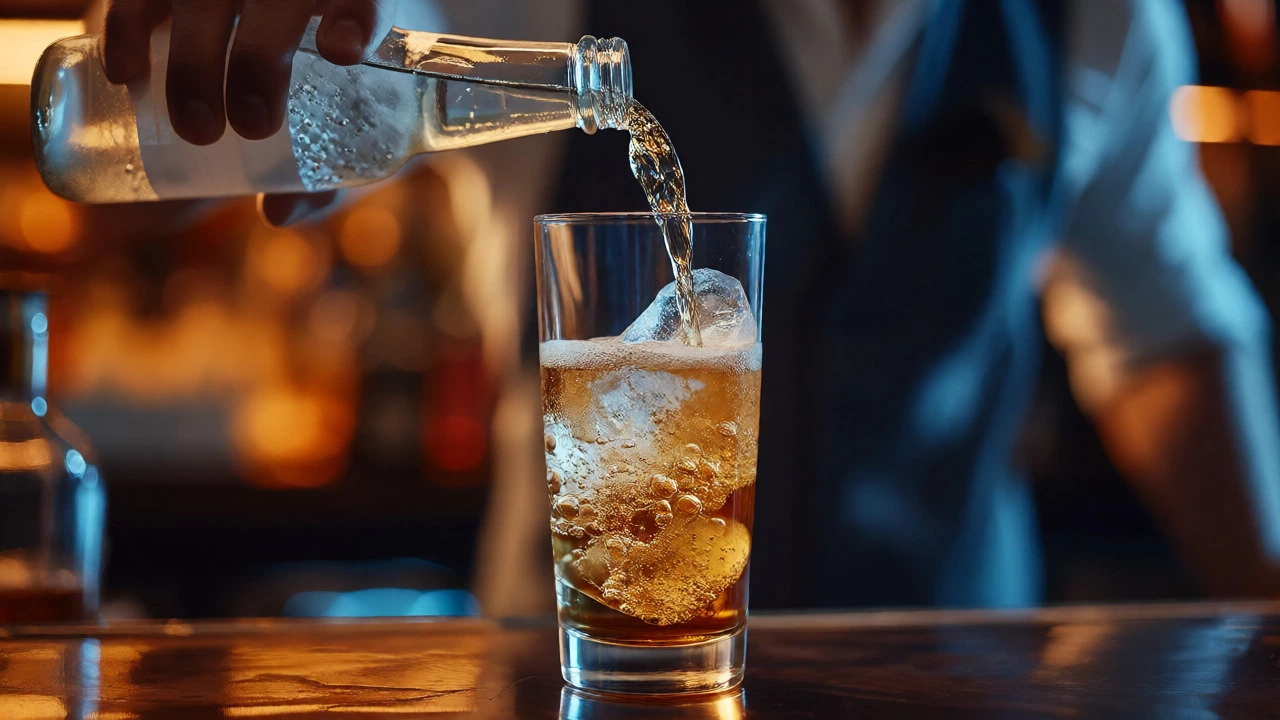
There’s also a debate about pouring order. Some bartenders swear by pouring the spirit first, then adding ice, then topping with soda. Others say ice first, then spirit, then soda. Here’s the logic: Pouring soda directly onto ice creates immediate agitation and foam, which can trap air but also accelerate bubble loss. Pouring soda down the side of the glass or over a bar spoon gently preserves carbonation. Try both methods. I find that chilling the glass first, adding ice, pouring the spirit, stirring gently to chill the spirit, and then slowly tilting the bottle to pour the soda along the inside wall of the glass yields the crispest result.
Ratios and Measurement
Free-pouring leads to inconsistency. One night your drink is too weak, the next it’s too boozy. Use a jigger. The golden ratio for a standard highball is generally 1 part spirit to 3 or 4 parts mixer. That means for a 30ml (1 oz) shot of whisky, you use 90-120ml (3-4 oz) of soda.
Here’s a quick cheat sheet for different glass sizes:
- Small Highball Glass (200ml): 30ml Spirit + 150ml Mixer
- Standard Highball Glass (300ml): 45ml Spirit + 200ml Mixer
- Collins Glass (350ml): 60ml Spirit + 250ml Mixer
If you like your drinks stronger, go 1:3. If you prefer them lighter and more sessionable, go 1:4. Remember, dilution adds water volume, so the final drink will be slightly larger than the sum of the ingredients. Don’t fill the glass to the brim; leave a little space for ice displacement and garnish.
Garnishes: Less Is More
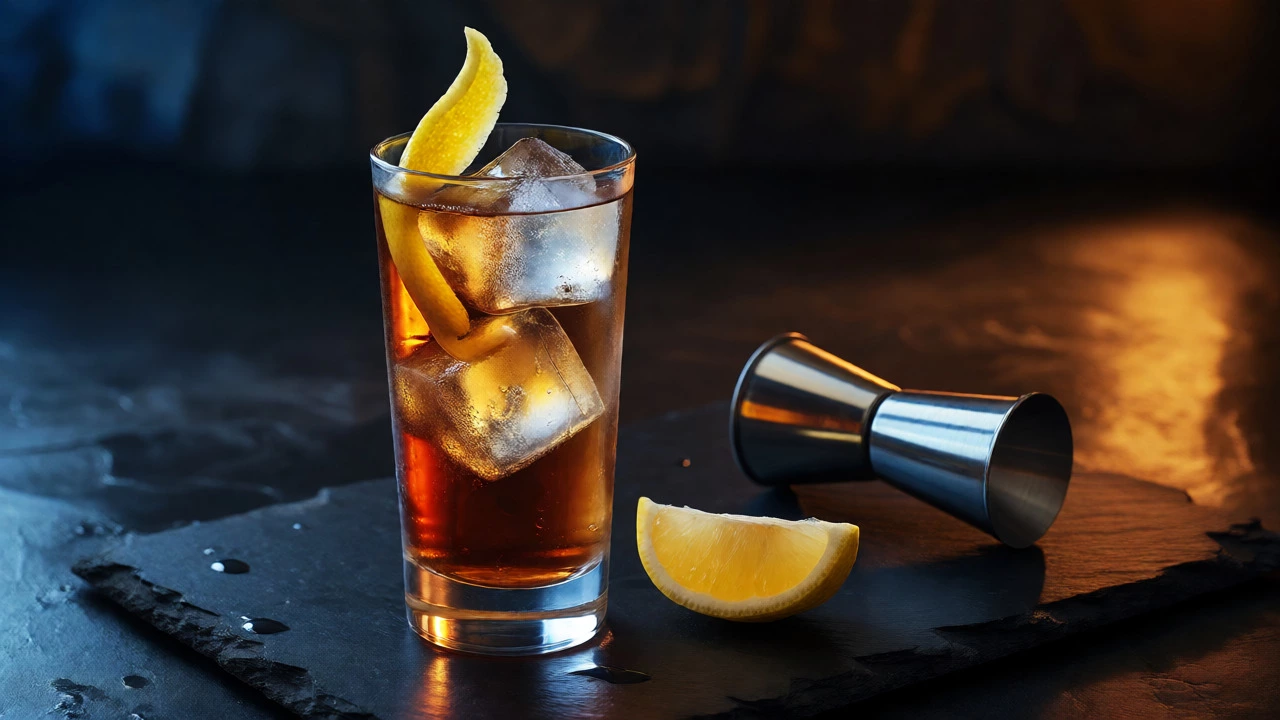
A highball is a minimalist drink. Over-garnishing distracts from the simplicity. For a whisky highball, a twist of lemon peel is classic. Express the oils over the drink by twisting the peel skin-side down toward the surface, then rub the rim and drop it in. Avoid squeezing the lemon juice into the drink unless you want a sour profile-that turns it into a Tom Collins variant.
For gin highballs, a sprig of rosemary or thyme works beautifully. Slap the herb between your palms first to release the aromatics. For vodka or tequila, a lime wheel or wedge is standard. Ensure your garnish doesn’t sink immediately; if it does, you’ve likely added too much ice or poured too aggressively.
Common Mistakes to Avoid
Even experienced home bartenders fall into these traps. First, using a warm glass. Always store your highball glasses in the freezer or rinse them with ice water before building the drink. A warm glass steals coldness from the ice instantly.
Second, stirring too much. Once you add the soda, do not stir vigorously. Stirring collapses the bubbles. Give it one gentle lift with a bar spoon to combine the spirit and mixer, then stop. Let the natural diffusion do the rest.
Third, neglecting the salt. It sounds odd, but a tiny pinch of sea salt on the rim or dropped into the drink can enhance the flavor perception of both the spirit and the botanicals in the mixer. It suppresses bitterness and highlights sweetness without making the drink taste salty. Try it once-you might be surprised.
Step-by-Step Instructions
Ready to build your perfect drink? Follow these steps precisely.
- Chill the Glass: Fill your highball glass with ice and water. Let it sit for 2 minutes. Dump the water and ice.
- Add Fresh Ice: Fill the chilled glass with large, clear ice cubes or a spear. Pack it tight.
- Pour the Spirit: Measure 45ml (1.5 oz) of your chosen spirit and pour it over the ice.
- Stir Gently: Use a bar spoon to stir the spirit and ice together for 5 seconds. This chills the spirit without diluting it too much.
- Add the Mixer: Take a fresh, cold bottle of soda water. Tilt the glass slightly and pour the soda slowly down the inside edge of the glass. Stop when you reach the desired level.
- Final Stir: Insert the bar spoon vertically and give one gentle upward lift to mix. Do not spin.
- Garnish: Add your lemon twist or herb sprig.
- Serve Immediately: Hand it to yourself or your guest. Sip within 5 minutes for peak freshness.
Making a great highball is less about secret ingredients and more about discipline. Respect the ice, keep everything cold, and handle the carbonation with care. Once you master these basics, you’ll realize why this simple cocktail has survived over a century. It’s not just a drink; it’s a refreshment ritual.
What is the difference between a highball and a long drink?
The terms are often used interchangeably, but technically, a highball refers to a specific style of serving: a spirit topped with a carbonated mixer in a tall glass. "Long drink" is a broader category that includes non-carbonated mixers like juice or tea. All highballs are long drinks, but not all long drinks are highballs.
Can I use sparkling wine instead of soda water?
Yes, but it changes the name and profile. Using sparkling wine creates a Spritz or a Buck depending on the base spirit. Sparkling wine is sweeter and more acidic than soda water, so you may need to adjust your spirit ratio or add a dash of bitters to balance the sweetness.
Why does my highball go flat so quickly?
This is usually due to three factors: warm glassware, low-quality ice that melts too fast, or aggressive stirring after adding the soda. To fix it, pre-chill your glass, use large clear ice, and minimize agitation once the carbonated mixer is added.
Is a whisky highball healthy?
Compared to sugary cocktails, yes. A whisky highball made with plain soda water has zero sugar and fewer calories than drinks mixed with syrup or fruit juices. However, alcohol itself contains calories, so moderation is still key.
What kind of soda water should I buy?
Look for unflavored club soda or seltzer with no added minerals like sodium bicarbonate, which can alter the taste. Brands like Fever-Tree or Q Mixers offer consistent carbonation levels. Avoid generic store brands if possible, as their carbonation can be inconsistent.